Kicking off with how you can make grey, this text will discover the ins and outs of making a wonderful grey coloration palette for internet design. From mixing RGB values to designing a monochromatic grey scheme, we’ll cowl all of it.
Whether or not you are a seasoned designer or simply beginning out, understanding how you can make grey is crucial for creating visually interesting and fascinating web sites. On this article, we’ll dive into the world of grey tones and discover the varied methods to include them into your design tasks.
Making a Fundamental Grey Coloration Palette Utilizing RGB Values
Making a grey coloration palette includes mixing completely different RGB values to realize a variety of grey tones. By adjusting the pink, inexperienced, and blue elements, you may produce numerous shades of grey that fit your design wants.
To create a grey coloration, we use the components: R = G = B, the place R, G, and B symbolize the pink, inexperienced, and blue elements, respectively. It’s because grey is created by averaging the intensities of pink, inexperienced, and blue mild. We will then alter these values to provide lighter or darker shades of grey.
Deciding on Appropriate RGB Values
Deciding on appropriate RGB values for creating a particular vary of grey shades is dependent upon the lightness and darkness desired. Listed below are some key issues:
- For lighter grays, enhance the RGB values, with a most worth of 255 for every element.
- For darker grays, lower the RGB values, with a minimal worth of 0 for every element.
- To create a particular lightness or darkness, alter the RGB values proportionally.
- For instance, to create a 50% grey, you should utilize the RGB worth (128, 128, 128), which is half of the utmost RGB worth (255, 255, 255).
Desk of Grey Colours
This is a desk displaying numerous grey coloration choices with their corresponding RGB values, HEX codes, coloration names, and descriptions:
| RGB Values | HEX Codes | Coloration Names | Description |
|---|---|---|---|
| (0, 0, 0) | 000000 | Black | Full absence of sunshine. |
| (128, 128, 128) | 808080 | Grey | Equal depth of pink, inexperienced, and blue mild. |
| (192, 192, 192) | C0C0C0 | Lightslategray | Lighter grey with a slight blue undertone. |
| (240, 240, 240) | F0F0F0 | Ghostwhite | Very mild grey with a slight blue undertone. |
Instance Code
To show how you can create a grey coloration palette utilizing RGB values, here is an instance in CSS:
“`css
.gray-palette
background-color: rgb(128, 128, 128); /* 50% grey */
coloration: rgb(255, 255, 255); /* White textual content */
.light-gray
background-color: rgb(192, 192, 192); /* 75% grey */
coloration: rgb(0, 0, 0); /* Black textual content */
.dark-gray
background-color: rgb(64, 64, 64); /* 25% grey */
coloration: rgb(255, 255, 255); /* White textual content */
“`
This code defines three lessons: `.gray-palette`, `.light-gray`, and `.dark-gray`, every with a distinct RGB worth for the background coloration. The textual content coloration is about to white for the `.gray-palette` class and black for the opposite two lessons.
Designing a Monochromatic Grey Coloration Scheme for a Web site
Designing an internet site with a monochromatic coloration scheme could be an efficient solution to create a cohesive and visually interesting consumer expertise. A monochromatic coloration scheme includes utilizing completely different shades and tints of the identical fundamental coloration, on this case, grey. This method can assist to create a way of stability, stability, and professionalism, that are all important traits of a well-designed web site. By utilizing a monochromatic coloration scheme, you may also create a transparent visible hierarchy and information the consumer’s consideration to essential components on the web page.
Advantages of a Monochromatic Grey Coloration Scheme
A monochromatic grey coloration scheme provides a number of advantages, together with:
- Skilled and Refined Look: A monochromatic grey coloration scheme can create knowledgeable and complicated look, making it appropriate for web sites associated to finance, expertise, and healthcare.
- Straightforward to Implement: Implementing a monochromatic coloration scheme is comparatively straightforward, because it includes utilizing completely different shades and tints of the identical fundamental coloration, eliminating the necessity to take into account a number of coloration combos.
- Versatility: A monochromatic coloration scheme can be utilized for numerous design components, similar to backgrounds, textual content, and accents, offering flexibility and flexibility in web site design.
- Person Engagement: A constant and cohesive coloration scheme can enhance consumer engagement by creating a way of familiarity and belief, which is crucial for a constructive consumer expertise.
Profitable Monochromatic Grey Coloration Schemes
A number of web sites have efficiently used a monochromatic grey coloration scheme to create a visually interesting and cohesive consumer expertise. For instance:
- The New York Occasions: The New York Occasions makes use of a monochromatic grey coloration scheme for its web site, creating knowledgeable and complicated look. The web site makes use of various shades of grey for various design components, similar to headers, textual content, and backgrounds.
- Codecademy: Codecademy makes use of a monochromatic grey coloration scheme for its web site, making a clear and fashionable look. The web site makes use of completely different shades of grey to separate design components, creating a transparent visible hierarchy.
- Google: Google makes use of a monochromatic blue coloration scheme for its web site, however its design components additionally incorporate numerous shades of grey, making a clear and cohesive look.
Designing a Monochromatic Grey Coloration Scheme
To design a monochromatic grey coloration scheme to your web site, observe these steps:
- Choose a Base Coloration: Select a grey coloration that you simply like, contemplating components similar to saturation, brightness, and distinction. You should utilize on-line coloration picker instruments or design software program to pick a grey coloration.
- Create Variations: After you have chosen a base coloration, create variations of it by adjusting its saturation, brightness, and distinction. You should utilize software program similar to Adobe Coloration or Coloration Hunt to create completely different shades and tints of your chosen grey coloration.
- Choose Complementary Shades: Choose complementary shades of grey that will probably be used for various design components, similar to headers, textual content, and backgrounds. Be sure that the shades are appropriate for the precise design factor and create a transparent visible hierarchy.
- Check and Refine: Check your coloration scheme on completely different gadgets and platforms, and refine it as wanted. Be sure that the colours are straightforward to learn, seen, and accessible.
Incorporating Grey Tones in Digital Portray and Illustration
Grey tones play a significant function in including depth, dimension, and nuance to digital work and illustrations. By fastidiously balancing mild and darkish values, artists can create a way of environment, temper, and emotion that attracts the viewer in. On this part, we’ll discover the function of grey tones in digital artwork and supply a step-by-step tutorial on how you can incorporate them into your personal creations.
The Significance of Worth in Digital Portray
Worth refers back to the lightness or darkness of a coloration, and it is important in digital portray to create a compelling and visually interesting picture. By experimenting with completely different grey tones, artists can add depth and dimension to their work, creating a way of quantity and depth. For instance, a darkish grey or charcoal tone can create a way of shadow and kind, whereas a light-weight grey or misty tone can evoke a way of environment and temper.
Examples of Well-known Artworks that Successfully Used Grey Tones
One basic instance of an art work that successfully used grey tones is Rembrandt’s “The Night time Watch”. The portray contains a vary of grey tones, from the darkish, shadowy figures within the foreground to the sunshine, misty environment within the background. Rembrandt’s use of grey tones provides depth and dimension to the portray, creating a way of quantity and house. One other instance is the work of digital artist, Simon Stalenhag, who is thought for his atmospheric and moody illustrations. His use of grey tones provides a way of thriller and intrigue to his work, drawing the viewer in and alluring them to discover additional.
Tutorial: Making a Digital Portray or Illustration Utilizing Grey Tones
To create a digital portray or illustration utilizing grey tones, observe these steps:
1.
Deciding on the Proper Colours
When working with grey tones, it is important to pick a variety of colours that can work nicely collectively. Begin by selecting a base coloration, both from a palette or by creating one your self. Then, experiment with completely different shades and tints of the bottom coloration to create a variety of grey tones. Take into account the 60-30-10 rule, the place 60% of the picture is a dominant coloration, 30% is a secondary coloration, and 10% is an accent coloration.
2.
Layering Methods
So as to add depth and dimension to your picture, experiment with completely different layering methods. Use the opacity and mix modes to merge a number of layers and create a way of depth and quantity. For instance, layering a darkish grey or charcoal tone over a lighter grey or misty tone can create a way of shadow and kind.
3.
Balancing Values
To create a balanced picture, it is important to stability the sunshine and darkish values. Experiment with completely different grey tones and values to discover a stability that works for you. Bear in mind, it isn’t nearly making a darkish and lightweight distinction, but additionally about creating a way of depth and dimension.
Including Texture and Curiosity
So as to add texture and curiosity to your picture, experiment with completely different textures and patterns. Use the comb and texture instruments in your digital portray software program so as to add texture and sample to your picture. Think about using textures similar to wooden, cloth, or stone so as to add depth and curiosity to your picture.
Refining and Adjusting
Lastly, refine and alter your picture by tweaking the colours, values, and texture. Use the therapeutic brush and cloning instruments to take away any imperfections and create a clean, cohesive picture. Experiment with completely different results and changes to search out the right stability to your picture.
Mixing Grey Tones with Different Colours to Create Concord
In relation to making a harmonious coloration scheme, grey tones can play an important function. By fastidiously choosing and mixing grey tones with different colours, designers can obtain a balanced and visually interesting end result. It’s because grey tones have the distinctive capacity to bridge the hole between heat and funky colours, creating a way of cohesion and stability.
Rules of Coloration Concord
Coloration concord refers back to the method colours work collectively to create a visually interesting and balanced composition. There are a number of ideas of coloration concord, together with:
Coloration Similarity: utilizing colours which might be comparable in hue, saturation, and brightness to create a way of concord.
Coloration Complementarity: pairing colours which might be reverse one another on the colour wheel to create distinction and visible curiosity.
Analogous Colours: utilizing colours which might be subsequent to one another on the colour wheel to create a clean and cohesive look.
In relation to mixing grey tones with different colours, understanding these ideas of coloration concord is crucial. By choosing colours which might be harmonious with grey tones, designers can create a balanced and visually interesting coloration scheme.
Examples of Coloration Combos that Use Grey Tones to Create Concord
Listed below are some examples of coloration combos that successfully use grey tones to create concord:
* Navy blue, mild grey, and yellow: This coloration mixture makes use of the complementary precept of coloration concord, pairing navy blue with mild grey and yellow to create a vibrant and visually interesting distinction.
* Forest inexperienced, grey beige, and pale blue: This coloration mixture makes use of the analogous precept of coloration concord, utilizing colours which might be subsequent to one another on the colour wheel to create a clean and cohesive look.
* Vivid pink, charcoal grey, and cream: This coloration mixture makes use of the colour similarity precept, utilizing colours which might be comparable in hue, saturation, and brightness to create a way of concord.
The important thing to attaining concord with grey tones is to pick colours which might be harmonious with grey and to stability heat and funky colours.
Mixing Grey Tones with Different Colours to Create a Cohesive and Balanced Look
Here’s a desk that exhibits how you can combine grey tones with different colours to create a cohesive and balanced look:
| Grey Tone | Heat Coloration | Cool Coloration |
| — | — | — |
| Charcoal Grey | Vivid Pink | Pale Blue |
| Mild Grey | Yellow | Forest Inexperienced |
| Darkish Grey | Navy Blue | Cream |
- Begin by choosing a grey tone that you simply wish to use as the bottom coloration. Take into account the temper and environment you wish to create and select a grey tone that matches your design.
- Choose a heat coloration and a cool coloration which might be harmonious along with your grey tone. Think about using colours which might be comparable in hue, saturation, and brightness to create a way of concord.
- Experiment with completely different combos of colours to search out the right stability to your design. Bear in mind to stability heat and funky colours to create a cohesive and balanced look.
The important thing to efficiently mixing grey tones with different colours is to experiment and have enjoyable with completely different combos!
Utilizing Grey Tones to Create Visible Hierarchy in Graphic Design
Visible hierarchy is a vital factor in graphic design, because it helps information the viewer’s consideration and create a transparent construction throughout the design. A well-designed visible hierarchy can talk info successfully, improve the general aesthetic, and affect how the consumer interacts with the design. Grey tones can play a major function in creating a visible hierarchy by offering a variety of tonal values that may assist draw consideration to particular components and create depth.
Significance of Visible Hierarchy in Graphic Design
A transparent visible hierarchy can obtain a number of objectives in graphic design:
– Guiding the viewer’s consideration: A well-designed visible hierarchy can direct the consumer’s gaze in the direction of essentially the most important info, similar to calls-to-action or essential bulletins.
– Enhancing readability: By grouping comparable components collectively, a visible hierarchy can enhance the general readability of the design and cut back visible muddle.
– Creating stability: A well-balanced design with a transparent visible hierarchy can create a harmonious and cohesive total aesthetic.
– Influencing consumer interactions: A visible hierarchy can affect how customers work together with a design by guiding them in the direction of particular components, similar to buttons or kind fields.
Utilizing Grey Tones to Create Visible Hierarchy
Grey tones can be utilized to create a visible hierarchy by offering a variety of tonal values that may assist separate completely different components throughout the design. Listed below are some methods to make use of grey tones to create a visible hierarchy:
– Use completely different shades of grey: By utilizing completely different shades of grey, designers can create distinction and separate completely different components throughout the design.
– Apply grey tones to typography: Grey tones could be utilized to typography to create a hierarchy of significance and draw consideration to particular textual content components.
– Create distinction with adjoining colours: Grey tones can be utilized to create distinction with adjoining colours, making them stand out and creating a visible hierarchy.
– Use grey tones to create depth: By utilizing completely different shades of grey, designers can create depth and layering throughout the design, making a extra advanced and fascinating visible hierarchy.
Examples of Efficient Visible Hierarchy in Graphic Design
Listed below are some examples of efficient visible hierarchies in graphic design that use grey tones:
– Apple Web site: The Apple web site makes use of a transparent visible hierarchy to attract consideration to its most essential components, such because the search bar and product showcases. Grey tones are used to create distinction with adjoining colours and separate completely different components throughout the design.
– Nike Web site: The Nike web site makes use of a daring visible hierarchy to attract consideration to its most essential components, similar to product showcases and calls-to-action. Grey tones are used to create distinction and separate completely different components throughout the design.
Information to Utilizing Grey Tones to Create a Clear Visible Hierarchy in Graphic Design
### Coloration Choice
– Select a restricted coloration palette: A restricted coloration palette can assist create a extra cohesive and harmonious visible hierarchy.
– Choose grey tones which have a transparent distinction: Grey tones ought to have a transparent distinction with adjoining colours to create a robust visible hierarchy.
– Keep away from utilizing too many shades of grey: Too many shades of grey can create visible muddle and make the design tough to learn.
### Structure
– Use grid methods: Grid methods can assist create a transparent visible hierarchy by grouping comparable components collectively and creating a way of construction.
– Use typography to create a hierarchy of significance: Typography can be utilized to create a hierarchy of significance by utilizing completely different font sizes, kinds, and colours.
– Create distinction with adjoining components: Grey tones can be utilized to create distinction with adjoining components, making them stand out and creating a visible hierarchy.
Designing a Visible Hierarchy with Grey Tones
Listed below are some steps to observe when designing a visible hierarchy with grey tones:
1. Determine an important components: Determine an important components throughout the design and prioritize them within the visible hierarchy.
2. Select a restricted coloration palette: Select a restricted coloration palette that has a transparent distinction between grey tones and adjoining colours.
3. Use grey tones to separate components: Use grey tones to separate completely different components throughout the design and create distinction with adjoining colours.
4. Use typography to create a hierarchy of significance: Use typography to create a hierarchy of significance by utilizing completely different font sizes, kinds, and colours.
5. Create distinction with adjoining components: Grey tones can be utilized to create distinction with adjoining components, making them stand out and creating a visible hierarchy.
Making a Grey Coloration Palette for Print Design
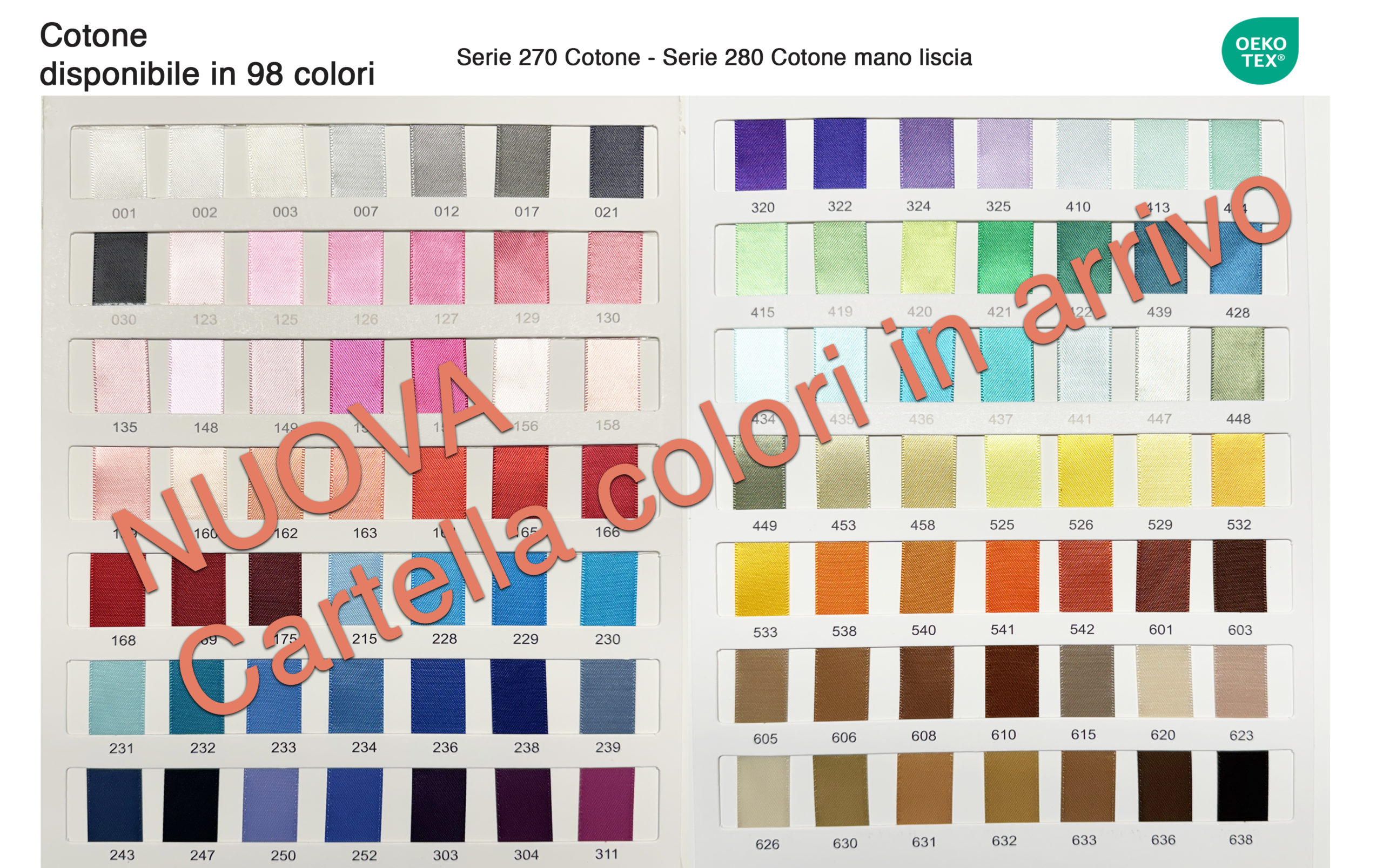
In print design, coloration palettes can differ considerably from these utilized in digital design. Whereas digital design typically focuses on vibrant colours and a variety of colours, print design requires consideration of the bodily properties of paper, ink, and printing processes. Grey tones play an important function in print design, permitting designers to create refined and complicated coloration schemes. On this part, we’ll discover the variations between digital and print design coloration palettes, present examples of profitable gray-toned print designs, and provide a step-by-step information to making a grey coloration palette for print.
Variations between Digital and Print Design Coloration Palettes
Digital design typically focuses on RGB (pink, inexperienced, blue) coloration fashions, which may produce an unlimited array of colours. In distinction, print design makes use of CMYK (cyan, magenta, yellow, black) coloration fashions, that are extra restricted of their coloration vary. It’s because print ink can solely take up sure wavelengths of sunshine, leading to a extra muted coloration palette.
When designing for print, it is important to think about the precise paper and ink mixture getting used, as these can have an effect on the ultimate coloration output. For instance, some papers could have a excessive cotton or rag content material, which may have an effect on the best way ink sits on the floor. Equally, sure inks could also be extra susceptible to fading over time.
Grey tones could be significantly efficient in print design, as they can assist to create a cohesive and complicated look. By utilizing completely different shades of grey, designers can create a way of depth and dimensionality, making their designs stand out.
Examples of Profitable Grey-Toned Print Designs
Many print designs have efficiently included grey tones to create a putting {and professional} look. One notable instance is the design for the ebook “The Components” by Taro Yashima, which options a wonderful gray-toned illustration of the periodic desk. The usage of grey tones creates a way of simplicity and class, whereas additionally permitting the reader to give attention to the important thing info offered within the ebook.
One other instance is the branding supplies for the clothes firm, J.Crew, which includes a vary of grey tones to create a classy and cohesive look. The usage of completely different shades of grey helps to convey a way of luxurious and refinement, whereas additionally permitting the model to face out in a crowded market.
Tutorial: Making a Grey Coloration Palette for Print Design
Making a grey coloration palette for print design requires consideration of the precise paper and ink mixture getting used. This is a step-by-step information that can assist you get began:
1. Select Your Paper: Choose a paper with an acceptable end to your design. For instance, should you’re designing a enterprise card, you could wish to use a paper with a excessive sheen, whereas a ebook or journal could require a paper with a decrease sheen.
2. Choose Your Ink: Select an ink that’s appropriate to your paper and design necessities. Completely different inks have various ranges of brightness and saturation, so be sure you choose an ink that can produce the specified impact.
3. Create Your Grey Tones: Use a coloration wheel or a software program program similar to Adobe Photoshop or Illustrator to create a variety of grey tones. You are able to do this by utilizing a coloration picker to pick a base coloration after which adjusting the brightness and saturation ranges to create completely different shades.
4. Check Your Colours: Print out a take a look at sheet of your grey tones to see how they’ll look in follow. This may mean you can make any obligatory changes earlier than finalizing your design.
5. Refine Your Palette: After you have created and examined your grey tones, refine your palette by choosing essentially the most appropriate shades to your design. Bear in mind to think about the paper and ink mixture getting used, in addition to the opposite design components, similar to typography and pictures.
Extra Suggestions and Issues, Methods to make grey
When making a grey coloration palette for print design, it is important to think about a variety of things, together with the paper and ink mixture getting used, the design’s supposed use, and the specified emotional response of the viewer. Listed below are some further suggestions and issues to remember:
– Paper Sort: Completely different papers have various ranges of opacity and reflectivity, which may have an effect on the best way ink interacts with the paper. For instance, a high-reflectivity paper could produce brighter, extra vibrant colours, whereas a low-opacity paper could end in extra muted, much less saturated colours.
– Ink Density: The density of the ink getting used may have an effect on the ultimate coloration output. Denser inks could produce extra saturated colours, whereas much less dense inks could end in lighter, extra muted colours.
– Coloration Matching: When working with a particular paper and ink mixture, it is important to make sure that the colours getting used are precisely matched. This may be achieved by utilizing a coloration matching software program or consulting with knowledgeable printer.
The Psychology of Grey Tones in Coloration Design
Grey tones have lengthy been a staple in design, and for good motive. Whereas typically related to neutrality, grey can evoke a variety of feelings and perceptions within the human psyche. By understanding the psychology of grey tones, designers can harness their energy to create impactful and fascinating visible experiences.
Emotional Responses to Grey Tones
Completely different shades of grey can elicit distinct emotional responses, from calmness and serenity to sophistication and creativity. Lighter grays are likely to convey a way of innocence, vulnerability, and even playfulness, as seen within the design of youngsters’s toys and nurseries. In distinction, darker grays typically convey a way of gravity, professionalism, and even class, as noticed in luxurious vogue and high-end structure.
The Position of Context in Shaping Emotional Responses
The emotional affect of grey tones is closely influenced by the context during which they’re used. As an illustration, a delicate, heat grey would possibly evoke emotions of consolation and rest in a front room, whereas the identical shade would possibly seem chilly and impersonal in a company workplace setting. This emphasizes the significance of contemplating the target market and setting when choosing grey tones for a design challenge.
Analysis-Knowledgeable Coloration Design Selections
Analysis on the psychology of grey tones offers useful insights into their emotional results. One notable examine discovered that grey tones can considerably affect a viewer’s notion of a product’s high quality and worth. For instance, a examine by the journal “Advertising Science” found that customers understand a product as extra luxurious and high-quality when it’s showcased towards a wealthy, darkish grey background.
Efficient Use of Grey Tones in Coloration Design
Designers can leverage the emotional potential of grey tones to create participating and memorable visible experiences. As an illustration, a monochromatic coloration scheme that includes completely different shades of grey can add depth and class to a design. Moreover, incorporating refined texture and gradient results can improve the perceived tactility and tactileness of a design, making a extra immersive expertise for the viewer.
- A 2019 examine revealed within the journal “Journal of Design, Enterprise & Society” highlights the significance of contemplating cultural components when designing for various audiences.
- The examine “The Results of Coloration on Feelings” by the journal “Emotion” discovered that grey tones can elicit emotions of calmness and rest in people.
- A 2020 survey carried out by “Coloration Issues” found that 71% of respondents choose working in environments with pure mild, which frequently contains a vary of heat and funky grays.
Purchasers ought to all the time be inspired to think about their target market when choosing grey tones for his or her model id or advertising supplies.
Last Conclusion: How To Make Grey
With this complete information to how you can make grey, you will be outfitted with the information to create gorgeous grey coloration palettes, design harmonious monochromatic schemes, and add visible hierarchy to your graphics. So why wait? Begin exploring the world of grey tones at present and take your internet design to the subsequent stage!
Generally Requested Questions
Q: What’s the distinction between a monochromatic and anachromatic coloration palette?
A: A monochromatic coloration palette options completely different shades of the identical coloration, whereas an anachromatic palette options completely different shades of black, white, and grey.
Q: How can I decide the fitting shade of grey for my design challenge?
A: Take into account the temper and environment you wish to create, in addition to the colour of any backgrounds or pictures you will be utilizing. It’s also possible to experiment with completely different shades of grey to see what works greatest.
Q: Can I exploit grey tones to create a visually interesting distinction?
A: Sure, by utilizing lighter and darker shades of grey, you may create a visually interesting distinction that attracts the attention to essential components in your design.

