How to attract anime units the stage for a complete information that delves into the intricacies of Japanese-style artwork, the place visible storytelling is a crucial element of storytelling. From facial construction to physique proportions, anime drawing requires a eager eye for element and a deep understanding of the medium.
The artwork of anime drawing encompasses a variety of strategies, from capturing the essence of facial expressions to creating dynamic physique language. On this information, we are going to discover the important components of anime drawing, offering readers with a strong basis within the fundamentals of Japanese-style artwork.
Understanding Anime Anatomy
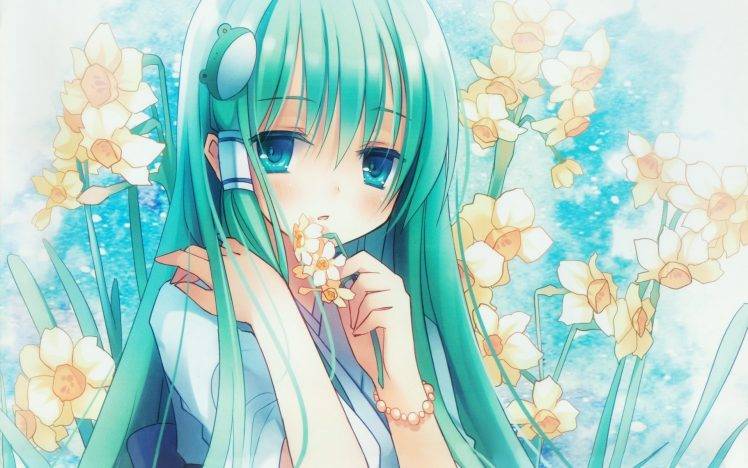
Anime anatomy is an important facet of drawing anime characters, because it requires a radical understanding of human physique proportions, muscle teams, and proportions to create reasonable but stylized physique proportions. Mastering anime anatomy will aid you draw characters which can be plausible, visually interesting, and transfer naturally.
In anime drawing, proportions are essential in attaining a steadiness between realism and stylization. Anime characters usually have exaggerated options, however their proportions are primarily based on a simplified illustration of the human physique. This is a listing of key options and proportions which can be important in anime anatomy:
-
Higher physique proportions: In anime, the higher physique is usually divided into three sections: the top, the torso, and the arms. The top is often about 1/7 to 1/8 of the whole top, whereas the arms are often about 1/2 to three/4 the size of the torso.
Head: 1/7 to 1/8 of whole top
Torso: 1/2 to three/4 of higher physique top
Arms: 1/2 to three/4 of torso sizeThe top, torso, and arms are linked by a sequence of muscular tissues, together with the neck muscular tissues (sternocleidomastoid, scalene, and thyrohyoid), pectoral muscular tissues (pectoralis main and minor), and latissimus dorsi muscular tissues.
-
Muscle teams: Anime artists usually simplify muscle teams to realize a extra stylized look, but it surely’s important to know the perform and placement of every muscle group. This is a listing of key muscle teams and their placement within the physique:
-
Chest muscular tissues (pectoralis main and minor):
The chest muscular tissues are positioned on the entrance of the chest and play a vital function in actions reminiscent of lifting the arms and pushing the shoulders. In anime, these muscular tissues are sometimes exaggerated to create a bigger, extra muscular chest. -
Again muscular tissues (latissimus dorsi and trapezius):
The again muscular tissues are positioned on the again of the physique and play a vital function in actions reminiscent of lifting the arms and rotating the shoulders. In anime, these muscular tissues are sometimes exaggerated to create a bigger, extra muscular again. -
Leg muscular tissues (quadriceps and hamstrings):
The leg muscular tissues are positioned on the legs and play a vital function in actions reminiscent of strolling and operating. In anime, these muscular tissues are sometimes exaggerated to create an extended, leaner leg.
-
Chest muscular tissues (pectoralis main and minor):
-
Stylized proportions: Anime artists usually use stylized proportions to create a extra dynamic and visually interesting picture. This may contain exaggerating sure options, such because the eyes or the muscular tissues, or simplifying others, such because the fingers and ft.
Stylized proportions: A simplified illustration of the human physique, with exaggerated options and simplified proportions.
-
Muscle teams: Anime artists usually simplify muscle teams to realize a extra stylized look, but it surely’s important to know the perform and placement of every muscle group. This is a listing of key muscle teams and their placement within the physique:
In anime anatomy, the proportions and muscle teams play a vital function in making a plausible and visually interesting character. By understanding how the human physique works and tips on how to stylize it, anime artists can create characters which can be each reasonable and stylized.
Key Ideas for Drawing Lifelike But Stylized Physique Proportions
To attract reasonable but stylized physique proportions, listed below are some key suggestions to bear in mind:
- Use reference photographs: Utilizing reference photographs of the human physique may help you perceive the proportions and muscle teams. Research the photographs and be aware of the best way the muscular tissues and bones work together with one another.
- Simplify and exaggerate: Anime artists usually simplify and exaggerate sure options to realize a stylized look. Give attention to the important thing options and proportions, and simplify or exaggerate them to create a extra dynamic picture.
- Use strains and shapes: Anime artists usually use strains and shapes to convey motion and gesture. Use strains and shapes to recommend the underlying muscle construction and motion of the character.
By following the following tips and understanding the fundamentals of anime anatomy, you possibly can create reasonable but stylized physique proportions which can be each plausible and visually interesting.
Strategies for Expressing Feelings by means of Facial Expressions and Physique Language
In anime artwork, facial expressions and physique language play a vital function in conveying feelings and character traits of characters. A talented artist can use these strategies to create a variety of feelings, from refined hints to exaggerated expressions. By mastering these strategies, you possibly can add depth and nuance to your anime characters, making them extra relatable and interesting to your viewers.
Conveying Feelings by means of Facial Expressions
With regards to facial expressions, the objective is to seize the subtleties of human feelings. Listed below are some key strategies to convey feelings by means of facial expressions:
- Elevating Eyebrows:
- Pursing Lips:
- Smiling:
To convey shock, pleasure, and even skepticism, elevating the eyebrows could be a highly effective method. Begin by putting the eyebrows at a slight angle, then increase them barely to create a furrowed look. You can too range the quantity of eyebrow increase to convey totally different intensities of emotion.
For a extra intense emotional expression, strive elevating the inside nook of the eyebrow first, then the outer nook for a extra stunned look.
Pouting or pursing the lips can point out disapproval, unhappiness, and even annoyance. To create this expression, begin by curling the lip barely, then pursing it inwards. You can too range the quantity of lip curl to convey totally different feelings.
So as to add emphasis to the pouting expression, strive barely elevating the corners of the mouth as effectively.
A smile can convey happiness, friendliness, and even sarcasm. To create a refined smile, begin by curving the lip upwards barely, then soften the expression by including a touch of leisure to the face.
To create a extra exaggerated smile, strive growing the curve of the lip and elevating the corners of the mouth.
Conveying Feelings by means of Physique Language
Physique language is simply as essential as facial expressions in conveying feelings and character traits in anime drawings. Listed below are some key strategies to convey feelings by means of physique language:
- Posture:
- Hand Gestures:
- Foot Placement:
An individual’s posture can point out their emotional state, from confidence to nervousness. To create a assured posture, begin by drawing the shoulders again and the chest ahead. For a extra relaxed posture, strive slouching the shoulders and letting the chest drop.
So as to add emphasis to a assured posture, strive putting the fingers on the hips or in a decided place.
Hand gestures can convey a variety of feelings, from pleasure to frustration. To create an excited gesture, begin by drawing the fingers in a sweeping movement, maybe palm-up or palm-down. For a annoyed gesture, strive clenching the fist or crossing the arms.
So as to add emphasis to a annoyed gesture, strive putting the fingers in a extra aggressive place, reminiscent of with the palms dealing with outwards.
An individual’s foot placement can point out their emotional state, from openness to defensiveness. To create an open posture, strive putting the ft shoulder-width aside and the load evenly distributed. For a extra defensive posture, strive crossing the ft or putting one foot behind the opposite.
So as to add emphasis to a defensive posture, strive putting the fingers in a extra protecting place, reminiscent of with the palms dealing with inwards.
Refined Expressions and Actions, How to attract anime
To create a way of rigidity or calm, refined expressions and actions might be extremely efficient. Listed below are some strategies to strive:
- Refined Eye Actions:
- Minuscule Facial Twitches:
A slight twitch within the eye or a blink can convey a spread of feelings, from nervousness to shock. Attempt various the quantity of eye motion to create refined expressions.
To create a extra intense emotional expression, strive including a slight flutter to the eyelid or a fast blink.
A tiny twitch within the facial muscular tissues can convey a spread of feelings, from pleasure to nervousness. Attempt various the quantity of facial twitch to create refined expressions.
To create a extra intense emotional expression, strive including a slight crease to the forehead or a furrowed look.
Designing Efficient Proportions for Anime Characters
In anime artwork, proportions play a major function in creating visually interesting and interesting characters. A personality’s proportions can significantly have an effect on their general look and affect the viewer’s notion of them. Efficient proportions could make a personality look extra stylized, endearing, and relatable, whereas poor proportions can result in an unbalanced and unappealing look.
Physique symmetry is essential in anime character design because it contributes to the general aesthetic and magnificence of the character. Symmetry in anime artwork just isn’t all the time about excellent duplicate of real-life proportions however slightly a steadiness and concord within the character’s design.
Making use of Physique Symmetry in Anime Character Design
To use physique symmetry in anime character design, comply with these steps:
1. Measure and Examine: Take measurements of the character’s physique elements, such because the size of the torso, arms, and legs. Examine these measurements to make sure that they’re balanced and symmetrical. A very good rule of thumb is to make the torso about 1.5 to 2 instances longer than the arms.
2. Use a Framework: Create a framework or a grid that will help you keep steadiness and symmetry in your design. This could be a easy field or a extra complicated grid system.
3. Alter Proportions: Alter the proportions of your character accordingly, bearing in mind the framework and the measurements you took earlier. Experiment with totally different proportions to seek out the proper steadiness on your character.
4. Refine and Iterate: Refine your design by making small changes to the proportions and guaranteeing that the character appears to be like balanced and harmonious.
Important Rules for Creating Visually Interesting Character Proportions
Creating visually interesting character proportions in anime artwork requires a deep understanding of the next ideas:
-
1. Steadiness: Make sure that the character’s physique elements are balanced and symmetrical.
- Begin by finding out the form of the hair. Anime hair is usually drawn with a extra exaggerated and stylized form, so take note of the form of the hair and the way it falls across the character’s face and physique.
- Use mild strains to attract the hair. Keep away from drawing the hair too thick or daring, as this may make it look unnatural.
- Experiment with totally different textures and patterns. Anime hair can vary from clean and smooth to curly and wild, so check out totally different textures and patterns to seek out the one which works finest on your character.
- Take note of the hair’s motion and circulate. Anime hair usually strikes in a extra fluid and dynamic means, so attempt to seize this motion and circulate in your drawing.
- Begin by finding out the form of the attention. Anime eyes are sometimes drawn with a extra exaggerated and stylized form, so take note of the form of the attention and the way it’s positioned on the character’s face.
- Use delicate strains to attract the attention. Keep away from drawing the attention too thick or daring, as this may make it look unnatural.
- Take note of the iris and pupil. The iris and pupil needs to be drawn with a delicate, rounded form, and needs to be positioned within the middle of the attention.
- Experiment with totally different eye shapes and colours. Anime eyes can vary from a easy, single-toned coloration to a fancy, multi-colored design, so check out totally different eye shapes and colours to seek out the one which works finest on your character.
- Begin by finding out the folds and creases of the clothes. Anime clothes is usually drawn with a extra exaggerated and stylized form, so take note of the folds and creases of the clothes and the way they’re positioned on the character’s physique.
- Use a spread of line weights and hatching strategies to create texture and depth. Keep away from drawing the clothes too clean or flat, as this may make it look unnatural.
- Take note of the best way the clothes interacts with the character’s physique. The clothes needs to be drawn with a way of motion and circulate, and may work together with the character’s physique in a pure and plausible means.
- Experiment with totally different materials and textures. Anime clothes can vary from clean and smooth to tough and textured, so check out totally different materials and textures to seek out the one which works finest on your character.
- Begin by finding out the best way the character strikes. Anime characters are sometimes drawn in movement, so take note of the best way the character strikes and the way their physique interacts with the encompassing setting.
- Use a spread of line weights and hatching strategies to create a way of motion and circulate. Keep away from drawing the character too stiff or static, as this may make it look unnatural.
- Take note of the best way the character’s physique interacts with the encompassing setting. The character’s physique needs to be drawn with a way of motion and circulate, and may work together with the encompassing setting in a pure and plausible means.
- Experiment with totally different angles and views. Anime characters are sometimes drawn from a wide range of angles and views, so check out totally different angles and views to seek out the one which works finest on your story.
- Mixing reasonable options with stylized components: Mix reasonable textures with stylized patterns to create a singular look that is each reasonable and recognizable.
- Utilizing gradient maps: Apply gradient maps so as to add depth and dimension to textures. This method means that you can create complicated, high-level particulars whereas sustaining a stylized look.
- Selective distortion: Distort textures and patterns selectively to create a way of realism whereas sustaining the anime’s stylized aesthetic.
- Cloth: Materials in anime artwork vary from superb silk to tough denim. Every cloth has its distinctive texture and sample, making it straightforward to tell apart characters and environments.
- Wooden: Wooden textures in anime artwork can vary from polished to weathered, including depth and character to the paintings.
- Water: Water textures play a vital function in anime artwork, notably in scenes involving battles, magic, or underwater environments.
- Refined shading: Use refined shading to create depth and dimension in textures and patterns. This method means that you can add nuance and character to your paintings.
- Texture layering: Layer textures to create a way of depth and complexity. This method helps so as to add visible curiosity and make textures really feel extra dynamic.
- Patterns and textures in concord: Use patterns and textures in concord to create a cohesive and interesting visible panorama.
2. Proportion: Set up a transparent proportion between totally different physique elements.
3. Proportion in relation to border: Take the proportions relative to the body it is going to be proven in.
4. Consistency: Consistency is essential in sustaining a personality’s general design language. This contains proportions, facial options, and physique form.
Drawing Difficult Components in Anime
Drawing difficult components in anime requires a mixture of method, follow, and persistence. On this part, we are going to discover distinctive strategies for drawing components reminiscent of hair, eyes, and clothes textures, in addition to suggestions for attaining reasonable but stylized results.
Strategies for Drawing Hair in Anime
Drawing reasonable anime hair could be a difficult activity, however with the proper strategies, you possibly can obtain a wide range of kinds and textures. Listed below are some suggestions that will help you get began:
The important thing to drawing reasonable anime hair is to seize its motion and circulate. To attain this, strive drawing the hair with a mixture of mild strains and delicate shapes. This can assist to create a way of motion and circulate, giving your character a extra dynamic and reasonable look.
Creating Lifelike Eyes in Anime
Drawing reasonable eyes in anime requires a mixture of method and a spotlight to element. Listed below are some suggestions that will help you get began:
The important thing to drawing reasonable anime eyes is to seize their refined particulars and textures. To attain this, strive drawing the attention with a mixture of delicate strains and delicate shapes. This can assist to create a way of depth and dimension, giving your character a extra reasonable and interesting look.
Texturing Clothes in Anime
Drawing reasonable clothes textures in anime requires a mixture of method and a spotlight to element. Listed below are some suggestions that will help you get began:
The important thing to drawing reasonable clothes textures in anime is to seize the refined folds and creases of the clothes. To attain this, strive drawing the clothes with a mixture of line weights and hatching strategies. This can assist to create a way of texture and depth, giving your character a extra reasonable and interesting look.
Creating the Phantasm of Motion in Anime Drawings
Creating the phantasm of motion in anime drawings requires a mixture of method and a spotlight to element. Listed below are some suggestions that will help you get began:
The important thing to creating the phantasm of motion in anime drawings is to seize the character’s dynamic motion and circulate. To attain this, strive drawing the character with a mixture of line weights and hatching strategies. This can assist to create a way of power and motion, giving your character a extra partaking and reasonable look.
Creating Distinctive Textures and Patterns in Anime Artwork
In anime artwork, textures and patterns play a vital function in including depth, visible curiosity, and character to characters and environments. In contrast to static or reasonable depictions, anime artwork usually depends on stylized textures and patterns to convey feelings, moods, and kinds. Efficient use of textures and patterns can differentiate anime artwork from different types of artwork, making it immediately recognizable.
The significance of texture and sample in anime artwork can’t be overstated. It not solely provides a singular aesthetic but additionally helps to convey the character’s character, background, and feelings. A well-designed texture or sample can immediately inform the viewer in regards to the character’s occupation, social standing, and even their psychological state.
Lifelike but Stylized Results
Reaching reasonable but stylized results in anime artwork requires a deep understanding of texture and sample. It is a delicate steadiness between creating a sensible illustration and stylizing it to suit the anime’s distinctive aesthetic. To attain this steadiness, think about the next strategies:
Examples of Totally different Textures and Patterns
Anime artwork employs all kinds of textures and patterns to create a wealthy and various visible panorama. Listed below are some examples:
Refined Texture and Sample
Refined texture and sample play a major function in creating depth and visible curiosity in anime artwork. It is not nearly including visible components but additionally about creating an emotional reference to the viewer. To attain refined texture and sample, think about the next strategies:
Wrap-Up: How To Draw Anime
In conclusion, mastering the basics of anime drawing is a rewarding and inventive pursuit that requires dedication and follow. By following the steerage Artikeld on this information, readers can develop their abilities and develop into proficient in drawing anime-style characters, from facial expressions to physique language. Bear in mind, follow is essential, so preserve drawing and experimenting with totally different strategies to realize the specified look.
Well-liked Questions
What are the important instruments for anime drawing?
Pencils, charcoal, markers, erasers, and sketchbooks are all important instruments for anime drawing.
How do I create dynamic facial expressions in anime drawings?
To create dynamic facial expressions, give attention to capturing the subtleties of the character’s feelings, such because the motion of their eyebrows or the curve of their lips.
What’s the significance of proportion in anime animation?
Proportion is essential in anime animation, because it helps to create a way of steadiness and coherence within the character’s design. Correct proportions may also have an effect on the character’s motion and interplay.
How do I create reasonable but stylized textures in anime artwork?
To create reasonable but stylized textures, experiment with totally different strategies, reminiscent of layering, mixing, and hatching. Take note of the refined nuances of the feel and the way it contributes to the general temper of the scene.

