the way to prepare dinner the way to units the stage for this epic journey, providing readers a style of the juicy narrative that is about to unfold, and brimming with knowledgeable ideas and tips that’ll make you a grasp chef very quickly. With this complete information, you will be the massive cheese within the kitchen, whipping up dishes that’ll make your style buds do the pleased dance.
This information isn’t just about cooking, it is about mastering the artwork of cooking. From cooking methods to meal planning, grocery buying, and kitchen security, we have you lined. You will learn to chop, slice, and cube like a professional, and uncover the key to creating visually interesting meals that’ll make your Instagram followers jealous.
Understanding the Fundamentals of Cooking Strategies
The artwork of cooking is a fragile dance between warmth, time, and method. To unlock the total potential of your culinary creations, it is important to understand the basics of cooking methods. On this part, we’ll delve into the world of steaming, roasting, and sautéing, exploring the intricacies of temperature management and its results on dietary worth.
Temperature Management in Cooking
Temperature management is the spine of any profitable cooking method. It could actually make or break the dish, affecting the feel, taste, and even dietary worth of your creations. This is a breakdown of the temperature ranges for various cooking methods:
- Steaming: 160°F – 180°F (71°C – 82°C)
- Roasting: 300°F – 400°F (150°C – 200°C)
- Sautéing: 300°F – 350°F (150°C – 175°C)
As you may see, every method requires a selected temperature vary to attain the specified consequence. It’s because various kinds of substances react in another way to warmth. For instance, delicate fish needs to be cooked at a decrease temperature to forestall overcooking, whereas sturdy meats like beef can deal with larger temperatures.
Temperature management additionally impacts the dietary worth of your creations. When cooking at excessive temperatures, vitamins like nutritional vitamins and minerals might be misplaced. Nonetheless, when cooking at decrease temperatures, these vitamins are preserved, guaranteeing that your dish is each scrumptious and nutritious.
Cooking Strategies and Dietary Worth
The cooking method you select can have a big influence on the dietary worth of your meals. Listed here are some examples:
Steaming vs. Boiling
Steaming is a delicate cooking technique that preserves the vitamins and taste of your substances. Boiling, then again, can result in nutrient loss and a much less flavorful dish.
“Steaming is a low-temperature cooking technique that makes use of steam to prepare dinner meals, leading to minimal nutrient loss and a extra flavorful dish.”
Roasting vs. Grilling
Roasting is a dry warmth cooking technique that may deliver out the pure flavors of your substances. Grilling, whereas excessive in taste, can result in a lack of vitamins because of the excessive warmth.
“Roasting is a dry warmth cooking technique that permits for a extra even cooking temperature, leading to higher nutrient retention and a richer taste.”
As you may see, the cooking method you select could make a big distinction within the dietary worth of your meals. By experimenting with completely different methods and temperature ranges, you may unlock the total potential of your culinary creations and create dishes which are each scrumptious and nutritious.
Conclusion
In conclusion, understanding the basics of cooking methods is important for any house prepare dinner or skilled chef. By mastering the artwork of temperature management and experimenting with completely different cooking methods, you may create dishes which are each scrumptious and nutritious. Bear in mind, the important thing to success lies find the proper stability of warmth, time, and method.
Growing Important Cooking Abilities for On a regular basis Meals
Cooking is an artwork that requires persistence, observe, and a focus to element. One of many key elements of cooking is mastering important cooking abilities that may make a big distinction within the final result of your dishes. On this chapter, we are going to delve into the world of cooking methods, kitchen security, and the significance of getting the proper instruments and devices.
The Artwork of Chopping, Slicing, and Dicing
Chopping, slicing, and dicing are basic cooking abilities that require precision and method. The way in which you chop, slice, and cube your substances could make or break the flavour and texture of your dishes.
– Select the proper knife for the job. A pointy chef’s knife is good for chopping, whereas a serrated knife is best for slicing.
– Use a chopping board that’s secure and clean. A picket or plastic chopping board is an efficient alternative, as it’s simple to wash and immune to scratches.
– Maintain the knife accurately, with a agency grip and a relaxed wrist. This may assist you to keep management and precision whereas chopping.
– Apply chopping, slicing, and dicing various kinds of substances, similar to greens, fruits, and herbs.
– Take note of the scale and form of the lower substances. Purpose for uniform cuts which are even and constant.
Kitchen Security: The Significance of a Clear and Sanitized Setting
Kitchen security is an important facet of cooking, and it begins with sustaining a clear and sanitized surroundings. A clear kitchen just isn’t solely a secure kitchen, however additionally it is a wholesome and hygienic one.
– Wash your fingers ceaselessly with cleaning soap and water, particularly earlier than and after dealing with uncooked substances.
– Clear and sanitize your kitchen surfaces, together with counter tops, sinks, and taps.
– Retailer meals and substances in hermetic containers and refrigerate or freeze them promptly.
– Keep away from cross-contamination by separating uncooked substances from cooked and ready-to-eat meals.
– Be conscious of meals allergy symptoms and intolerance, and take essential precautions to keep away from cross-contamination.
The Important Cooking Instruments and Devices
Having the proper cooking instruments and devices could make a big distinction within the high quality and effectivity of your cooking. Listed here are some important instruments that each house prepare dinner ought to have:
–
Cooking Utensils
Cooking utensils are the spine of any kitchen. A set of important cooking utensils ought to embrace:
– A chef’s knife
– A serrated knife
– A chopping board
– A spatula
– A picket spoon
- A silicone spatula is a must have for scraping the perimeters and backside of blending bowls.
- A picket spoon is good for stirring and mixing sizzling liquids.
- A chef’s knife is essentially the most versatile knife within the kitchen, appropriate for chopping, slicing, and dicing.
–
Cooking Pots and Pans
Cooking pots and pans are the workhorses of any kitchen. A set of important pots and pans ought to embrace:
– A chrome steel saucepan
– A non-stick skillet
– A Dutch oven
- A chrome steel saucepan is a must have for boiling and steaming greens.
- A non-stick skillet is good for cooking eggs and pancakes.
- A Dutch oven is a good vessel for sluggish cooking and braising.
–
Small Kitchen Home equipment
Small kitchen home equipment could make a big distinction within the effectivity and comfort of your cooking. Listed here are some important small home equipment that each house prepare dinner ought to have:
– A blender
– A meals processor
– A stand mixer
- A blender is a must have for making smoothies, soups, and sauces.
- A meals processor is good for chopping, slicing, and dicing substances.
- A stand mixer is a good funding for bakers and cake decorators.
Cooking for Particular Diets and Dietary Restrictions
Cooking for particular diets and dietary restrictions has turn out to be an important facet of contemporary delicacies. With the rising consciousness of dietary wants and well being issues, many people have particular dietary necessities that have to be catered to. This part will discover the fundamentals of cooking for gluten-free, vegan, and low-carb diets, in addition to share recipes and cooking methods for managing widespread dietary restrictions.
Gluten-Free Cooking
Gluten-free cooking is good for people with gluten intolerance or sensitivity. The commonest substitutes for gluten-containing substances are:
- Rice flour: A flexible and easy-to-use choice, rice flour can be utilized to make a wide range of baked items, pasta, and bread.
- Almond flour: A preferred substitute for wheat flour, almond flour is excessive in protein and wholesome fat.
- Coconut flour: A low-carb and gluten-free choice, coconut flour can be utilized to make a wide range of baked items and desserts.
- Tapioca flour: A neutral-tasting choice, tapioca flour can be utilized to thicken sauces and make baked items.
When cooking gluten-free, it is important to notice that gluten-free flours can behave in another way than conventional flours. To make sure success, use a mix of flours and modify the ratio of liquid to flour accordingly.
Vegan Cooking
Vegan cooking is ideal for people who comply with a plant-based weight-reduction plan. Widespread substitutes for animal-derived substances embrace:
- Tofu: A flexible and protein-rich choice, tofu might be marinated and baked or stir-fried.
- Tempeh: A fermented soybean product, tempeh might be marinated and baked or stir-fried.
- Dietary yeast: A savory and cheesy-tasting choice, dietary yeast can be utilized to make tacky sauces and dressings.
- Vegetable-based milks: Select from coconut milk, almond milk, soy milk, or oat milk as a dairy-free various.
When cooking vegan, it is important to contemplate protein sources and omega-3 fatty acids. To make sure success, embrace a wide range of plant-based protein sources and wholesome fat in your meals.
Low-Carb Cooking
Low-carb cooking is good for people who comply with a low-carb or ketogenic weight-reduction plan. Widespread substitutes for high-carb substances embrace:
- Greens: Concentrate on leafy greens, broccoli, spinach, and different non-starchy greens.
- Low-carb fruits: Select from berries, citrus fruits, and different low-carb choices.
- Nut-based snacks: Snack on nuts and seeds, similar to almonds, cashews, and pumpkin seeds.
- Unsweetened drinks: Select from unsweetened tea, espresso, and water.
When cooking low-carb, it is important to concentrate on protein-rich substances and wholesome fat. To make sure success, embrace a stability of protein, wholesome fat, and low-carb greens in your meals.
Soy-Free and Nut-Free Cooking, Methods to prepare dinner the way to
Soy-free and nut-free cooking is ideal for people with soy and nut allergy symptoms. Widespread substitutes for soy and nuts embrace:
- Coconut: Use coconut milk, coconut oil, and coconut flour as a soy-free and nut-free various.
- Avocado: Use avocado oil and avocado-based merchandise as a soy-free and nut-free various.
- Seed-based snacks: Snack on sunflower seeds, pumpkin seeds, and different seed-based choices.
When cooking soy-free and nut-free, it is important to notice that many processed meals comprise soy and nuts. To make sure success, learn labels fastidiously and keep away from processed meals which will comprise allergenic substances.
Bear in mind, cooking for particular diets requires creativity, flexibility, and a willingness to experiment with new substances. By following the following tips and methods, you may create scrumptious and nutritious meals that cater to your dietary wants.
Creating Scrumptious and Visually Interesting Meals: How To Cook dinner How To
Making a meal that not solely tastes nice but additionally seems to be visually interesting could make a big distinction within the general eating expertise. A well-presented dish can elevate the temper and satisfaction of each the prepare dinner and the diner. On this part, we are going to discover the significance of presentation and supply methods for making a cohesive and balanced dish, in addition to methods so as to add visible attraction by way of coloration, texture, and garnishes.
The Significance of Presentation
Presentation is an important facet of cooking, as it could actually significantly influence the general eating expertise. A well-presented dish could make a dish extra interesting and pleasurable to eat, whereas a poorly introduced dish can detract from the expertise. When making a meal, it is important to contemplate the presentation from the beginning, because it includes all facets of cooking, from ingredient choice to plating.
Utilizing Coloration to Add Visible Enchantment
Coloration is an important factor in creating visually interesting meals. Totally different colours evoke feelings and might add depth to a dish. When selecting substances, contemplate the colours you wish to incorporate into your meal. A normal rule is to create a stability of heat and funky colours on the plate. Heat colours, similar to pink and orange, can stimulate urge for food, whereas cool colours, like blue and inexperienced, can create a soothing impact. For instance, a summer season salad with a mixture of pink, inexperienced, and yellow greens can create a vibrant and appetizing dish.
- Select substances with a spread of colours to create visible curiosity.
- Think about the feelings and temper you wish to evoke together with your meal.
- Experiment with combining heat and funky colours to create stability and distinction.
The Function of Texture
Texture is one other important factor in creating visually interesting meals. Quite a lot of textures can add depth and curiosity to a dish. When choosing substances, contemplate the textures you wish to incorporate. For instance, a mixture of crunchy greens, clean sauce, and tender meat can create a satisfying and textured dish.
- Incorporate a wide range of textures so as to add depth and curiosity to your meals.
- Experiment with completely different mixtures of textures to create distinctive and interesting dishes.
- Think about the sensations and feelings you wish to evoke together with your meal.
Garnishing and Plating Strategies
Garnishes and plating methods can elevate a dish and make it visually interesting. When creating garnishes, contemplate the colours, textures, and shapes you wish to incorporate. For instance, a sprinkle of recent herbs or a drizzle of sauce can add a pop of coloration and texture to a dish. When plating, contemplate the stability and visible attraction of the dish. A normal rule is to create a focus on the plate and stability it with different components.
- Experiment with completely different garnish mixtures to create distinctive and visually interesting dishes.
- Think about the stability and visible attraction of the dish when plating.
- Apply creating focal factors and balancing components on the plate.
Further Suggestions and Strategies
When creating visually interesting meals, there are a number of further ideas and methods to remember. Think about the feelings and temper you wish to evoke together with your meal, and experiment with completely different mixtures of colours, textures, and garnishes. Apply creating stability and visible attraction on the plate, and do not be afraid to strive new and distinctive approaches.
- Experiment with completely different mixtures of colours, textures, and garnishes to create distinctive and visually interesting dishes.
- Apply creating stability and visible attraction on the plate.
- Think about the feelings and temper you wish to evoke together with your meal.
Conclusion
Creating scrumptious and visually interesting meals requires consideration to presentation, coloration, texture, and garnishing methods. By contemplating these components and experimenting with completely different mixtures, you may elevate your dishes and create memorable meals for you and your family members.
Exploring International Delicacies and Cultural Cooking Traditions
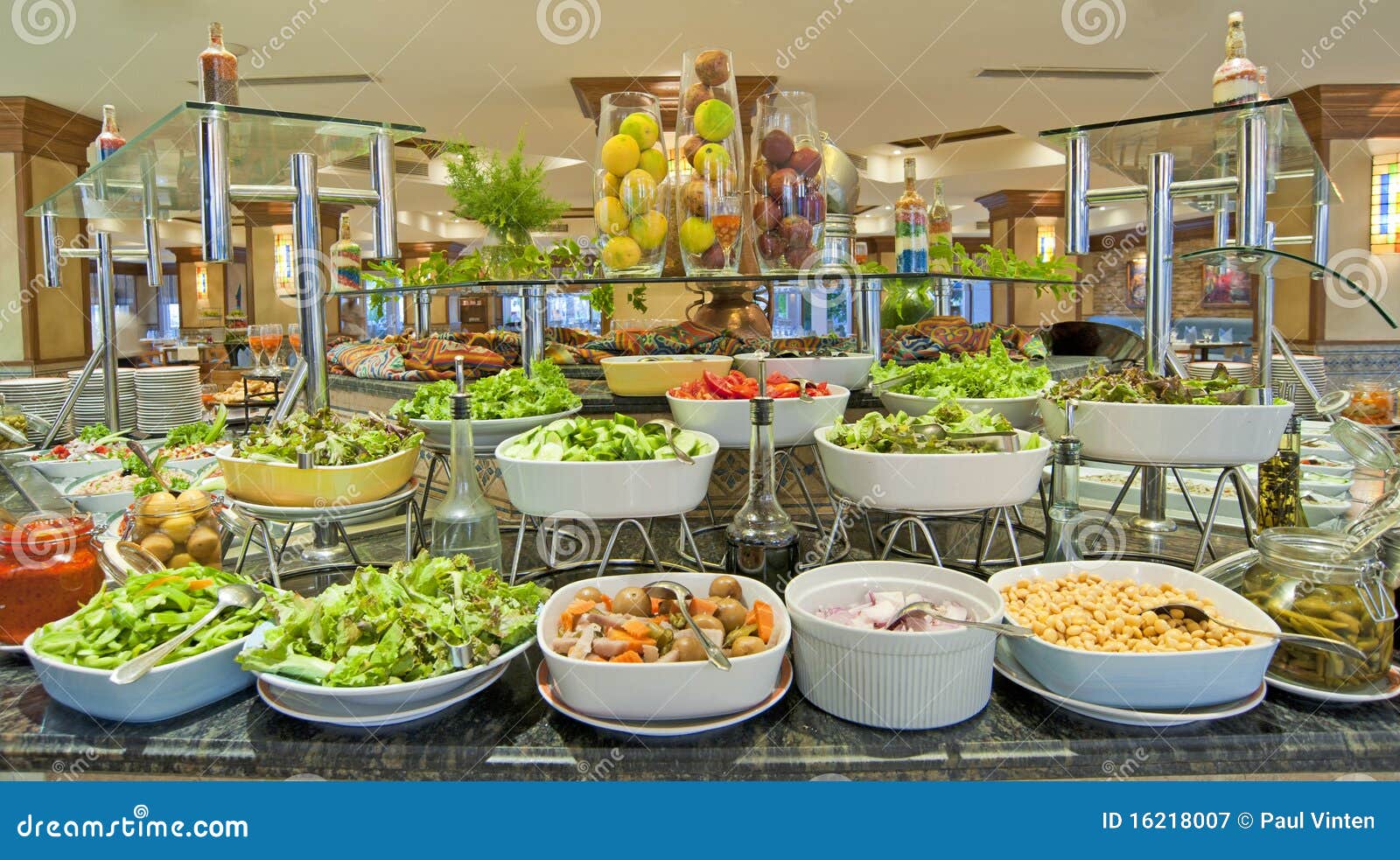
On this chapter, we’ll delve into the wealthy culinary heritage of assorted worldwide cuisines, exploring their historical past, cultural significance, and genuine recipes. From the spicy kick of Korean kimchi to the fragrant basmati rice of Indian delicacies, we’ll embark on a gastronomic journey around the globe, respecting the cultural traditions that make every dish distinctive.
International delicacies isn’t just about following a recipe; it is about understanding the values, customs, and historical past behind every dish. By exploring the cultural significance of various cuisines, we will admire the variety of cooking methods, substances, and presentation types that make international delicacies so fascinating. On this chapter, we’ll focus on the significance of cultural sensitivity and supply tips about the way to respectfully prepare dinner and share international delicacies.
Exploring Korean Delicacies: Kimchi and Past
Korean delicacies is thought for its daring flavors, spice, and emphasis on fermentation. Some of the iconic Korean dishes is kimchi, a fermented vegetable dish that is a staple in Korean delicacies. Kimchi is made with a wide range of substances, together with cabbage, radish, garlic, ginger, and chili peppers, that are fermented in a brine resolution. This course of permits the pure micro organism on the greens to interrupt down the sugars and create lactic acid, giving kimchi its signature tangy taste and crunchy texture.
Kimchi isn’t just a aspect dish; it is a essential course, and it is usually served with different Korean staples like bibimbap, a rice bowl dish topped with an assortment of greens, meat, and a fried egg. One other common Korean dish is bulgogi, a marinated beef dish that is grilled to perfection and served with a aspect of rice and kimchi.
The Artwork of Indian Delicacies: Spices and Flavors
Indian delicacies is a melting pot of flavors, textures, and aromas, because of the nation’s wealthy cultural heritage and geographic range. Indian delicacies is thought for its use of all kinds of spices, herbs, and different substances that add depth and complexity to every dish. Among the most iconic Indian dishes embrace hen tikka masala, a creamy tomato-based curry that is common around the globe, and vindaloo, a spicy curry made with marinated meat, vinegar, and a mix of spices.
Indian delicacies isn’t just about spicy curries; it is also about delicate and delicate flavors, like using saffron, cardamom, and rose petals in conventional desserts like gulab jamun and kulfi. One other common Indian dish is tandoori hen, which is marinated in yogurt and spices and cooked in a clay oven referred to as a tandoor.
The Vibrant Flavors of Mexican Delicacies
Mexican delicacies is thought for its daring flavors, vibrant colours, and emphasis on recent substances. Mexican delicacies is a fusion of indigenous and European flavors, with a concentrate on conventional dishes like tacos, enchiladas, and chiles rellenos. Some of the iconic Mexican dishes is guacamole, a creamy dip constituted of mashed avocados, onions, jalapenos, cilantro, and lime juice.
Mexican delicacies isn’t just about avenue meals; it is also about haute delicacies, with well-known cooks like Enrique Olvera and Gaston Acurio pushing the boundaries of Mexican delicacies with revolutionary takes on conventional dishes. One other common Mexican dish is carne asada, a grilled beef dish that is served with a aspect of beans, rice, and tortillas.
Cultural Sensitivity and Cooking International Delicacies
When cooking international delicacies, it is important to be respectful of the cultural traditions behind every dish. This implies understanding the historical past and significance of every recipe, utilizing genuine substances and methods, and being conscious of cultural sensitivities. Cultural sensitivity isn’t just about following a recipe; it is about understanding the values, customs, and historical past behind every dish.
To prepare dinner international delicacies respectfully, begin by researching the cultural traditions behind every dish. Learn cookbooks, articles, and blogs from native cooks and meals writers to realize a deeper understanding of the delicacies. Use genuine substances and methods, and be conscious of cultural sensitivities, like avoiding pork in Muslim or Jewish delicacies.
In conclusion, exploring international delicacies is a wealthy and rewarding expertise that permits us to embark on a gastronomic journey around the globe. By understanding the cultural significance of various cuisines, we will admire the variety of cooking methods, substances, and presentation types that make international delicacies so fascinating. So, let’s get cooking and discover the colourful flavors of worldwide delicacies!
Constructing a Personalised Cookbook for Lifelong Inspiration
A customized cookbook is a treasured memento that displays your culinary journey, a set of recipes and recollections that encourage you to create scrumptious meals for years to come back. With a considerate strategy, you may construct a cookbook that not solely celebrates your favourite recipes but additionally honors your private cooking type.
Organizing Your Cookbook
Growing a Recipe Group System
To create a cohesive and purposeful cookbook, it is important to determine a recipe group system that fits your wants. Think about the next choices:
- Fundamental Course Recipes: Arrange recipes by class, similar to appetizers, essential programs, desserts, and snacks.
- Ingredient-Primarily based Group: Group recipes by ingredient, similar to vegetarian, gluten-free, or dairy-free.
- Cooking Technique: Arrange recipes by cooking technique, similar to grilling, roasting, or sautéing.
- Digital vs. Bodily: Think about using a mix of digital and bodily storage strategies, similar to a cookbook app or a devoted pocket book.
Digital and Bodily Group Choices
Navigating Digital and Bodily Cookbook Choices
When deciding between digital and bodily cookbook choices, contemplate the next advantages and downsides:
* Digital Cookbook Execs:
+ Accessibility: Digital cookbooks might be simply accessed from anyplace, on any gadget.
+ Area-Saving: Digital cookbooks take up no bodily house.
+ Collaboration: Digital cookbooks might be simply shared with family and friends.
* Digital Cookbook Cons:
+ Dependence on Know-how: Digital cookbooks require a tool to entry.
+ Distractions: Digital cookbooks might be liable to distractions, similar to notifications and social media.
* Bodily Cookbook Execs:
+ Tactile Expertise: Bodily cookbooks provide a tactile expertise, with the flexibility to flip by way of pages and see photographs.
+ No Dependence on Know-how: Bodily cookbooks do not require any gadgets to entry.
* Bodily Cookbook Cons:
+ Area Necessities: Bodily cookbooks take up bodily house.
+ Upkeep: Bodily cookbooks require common upkeep, similar to updating recipes and cleansing pages.
Recording Cooking Reminiscences and Strategies
Discovering Methods to Report Your Cooking Reminiscences and Strategies
To create a complete cookbook, it is important to report your cooking recollections and methods. Think about the next strategies:
- Recipe Journaling: Hold a devoted journal to report your recipes, notes, and methods.
- Images: Take high-quality photographs of your dishes to seize their visible attraction.
- Movies and Tutorials: Report step-by-step movies or tutorials to display your methods.
- Notes and Sketches: Take notes and sketches to report your cooking experiences and concepts.
Experimenting with New Substances and Strategies
Discovering New Flavors and Strategies
So as to add selection to your favourite recipes and create a complete cookbook, experiment with new substances and methods. Think about the next strategies:
- Ingredient Substitutions: Substitute substances to create new taste mixtures and textures.
- Method Adaptation: Adapt cooking methods to fit your private type and preferences.
- Chef Collaboration: Collaborate with fellow cooks or meals fans to be taught new methods and uncover new flavors.
- Cooking Lessons and Workshops: Attend cooking courses and workshops to be taught new abilities and acquire confidence within the kitchen.
Ending Remarks
So, there you’ve gotten it – a complete information to cooking that is full of knowledgeable ideas and tips. Bear in mind, observe makes good, so get within the kitchen and begin cooking! Do not be afraid to experiment and check out new issues, and at all times continue to learn. Completely satisfied cooking, and see you within the subsequent information!
Important Questionnaire
Q: How do I select the proper cooking method for the job?
A: Select the cooking method that most closely fits the kind of meals you are cooking, and contemplate the extent of doneness you are aiming for.
Q: What are some widespread errors to keep away from when grocery buying?
A: Keep away from shopping for an excessive amount of meals that goes to waste, and check out to buy seasonal produce to economize.
Q: How do I hold my kitchen secure?
A: Make sure that to wash and sanitize your kitchen often, and hold sharp objects out of attain. Additionally, at all times prepare dinner with clear fingers and utensils.
Q: What’s one of the best ways to retailer leftovers?
A: Retailer leftovers in hermetic containers within the fridge or freezer, and make sure to label and date them so you may simply hold monitor of what you’ve gotten.

