With how lengthy to prepare dinner beef tenderloin in oven on the forefront, it is a complete information that can assist you grasp the artwork of cooking beef tenderloin within the oven. From understanding the fundamentals of beef tenderloin cooking to choosing the proper oven temperature, seasoning, and marinating, we’ll cowl the whole lot that you must know to attain a wonderfully cooked beef tenderloin.
This text will stroll you thru the step-by-step means of cooking beef tenderloin within the oven, together with recommendations on tips on how to choose the proper beef tenderloin, tips on how to season and marinate it, and tips on how to prepare dinner it to perfection. We’ll additionally give you a listing of continuously requested questions and solutions that can assist you troubleshoot frequent points.
Understanding the Fundamentals of Beef Tenderloin Cooking
In the case of cooking, beef tenderloin stands out as a premium minimize of meat, recognized for its tenderness and wealthy taste profile. Nonetheless, many individuals are unfamiliar with the variations between beef tenderloin and different cuts of beef. On this part, we’ll delve into the world of beef tenderloin, exploring its distinctive traits and the most effective methods to organize it.
Variations between Beef Tenderloin and Different Cuts of Beef
Beef tenderloin is a minimize of beef from the quick loin, close to the backbone. It is likely one of the most tender and lean cuts of beef out there, with a buttery texture and a gentle taste. Not like different cuts of beef, corresponding to steaks or roasts, beef tenderloin is often boneless and has a smaller serving measurement. This makes it a great alternative for formal events and particular occasions.
In distinction, different cuts of beef, corresponding to steaks and roasts, come from totally different components of the animal. Steaks are usually minimize from the rib, loin, or spherical, whereas roasts come from bigger muscle tissues, such because the leg or arm. These cuts are sometimes harder and extra dense than beef tenderloin, with a coarser texture and a extra sturdy taste.
- Wealthy in Protein and Nutritional vitamins
- Lean Meat Choice
- Low in Energy
Beef tenderloin is a superb supply of protein, nutritional vitamins, and minerals. It’s wealthy in nutritional vitamins B12 and B6, in addition to minerals like iron and zinc. These vitamins make beef tenderloin a superb addition to a nutritious diet.
Beef tenderloin is likely one of the leanest cuts of beef out there. It incorporates minimal fats, making it a great alternative for these trying to cut back their fats consumption. This additionally makes it a preferred alternative for health-conscious people.
Beef tenderloin is comparatively low in energy in comparison with different cuts of beef. A 3-ounce serving of beef tenderloin incorporates roughly 150 energy. This makes it a superb alternative for these searching for a guilt-free meal choice.
Choosing the Excellent Beef Tenderloin for Oven Cooking
When deciding on a beef tenderloin for oven cooking, there are a number of components to think about.
- Search for a lean minimize
- Select a young minimize
- Examine the colour
- Go for a constant thickness
A lean minimize of beef tenderloin is important for oven cooking. This ensures that your tenderloin cooks evenly and retains its moisture. Keep away from cuts with plenty of marbling, as this could result in an uneven texture.
Beef tenderloin must be tender to the contact. Keep away from cuts that really feel robust or agency.
Beef tenderloin ought to have a wealthy, pink coloration. Keep away from cuts with a pale or grayish tint.
A constant thickness ensures that your tenderloin cooks evenly. That is notably necessary when oven cooking.
Comparability of Cooking Strategies for Beef Tenderloin
There are a number of strategies for cooking beef tenderloin, every with its personal benefits and downsides.
- Oven Roasting
- Grilling
- Pan-searing
Oven roasting is a well-liked methodology for cooking beef tenderloin. It entails cooking the tenderloin in a sizzling oven, usually between 400°F and 450°F. This methodology is great for cooking massive or a number of tenderloins.
Grilling is an effective way so as to add smoky taste to beef tenderloin. It entails cooking the tenderloin over direct warmth, usually at excessive temperatures. This methodology is good for cooking skinny or small tenderloins.
Pan-searing is an effective way so as to add a crispy crust to beef tenderloin. It entails cooking the tenderloin in a sizzling pan, usually between 400°F and 450°F. This methodology is great for cooking small or skinny tenderloins.
Seasoning and Marinating Beef Tenderloin for Enhanced Taste
In the case of making ready a scrumptious beef tenderloin, seasoning and marinating are essential steps that can not be ignored. These processes not solely add taste to the dish but in addition assist to tenderize the meat, making it extra palatable and pleasing.
On this part, we’ll discover the advantages of marinating beef tenderloin, share recipes for numerous marinades and seasonings, and talk about the significance of drying the meat tenderloin earlier than making use of marinades or seasonings.
The Advantages of Marinating Beef Tenderloin
Marinating beef tenderloin is a well-liked cooking approach that entails soaking the meat in a mix of seasonings, spices, and typically oil for a time period. This course of provides a number of advantages, together with:
- Enhanced taste: Marinating permits the flavors of the seasonings and spices to penetrate deeper into the meat, leading to a extra complicated and intense taste profile.
- Tenderization: The acid within the marinade helps to interrupt down the protein bonds within the meat, making it extra tender and simpler to chew.
- Texture enchancment: Marinating might help to enhance the feel of the meat by decreasing the moisture content material and making it extra evenly cooked.
Recipes for Numerous Marinades and Seasonings
Listed below are some common marinade and seasoning recipes that complement beef tenderloin:
Lemon-Herb Marinade
This marinade is a basic mixture of lemon juice, olive oil, garlic, and herbs like thyme and rosemary.
Substances:
– 1/2 cup lemon juice
– 1/4 cup olive oil
– 4 cloves garlic, minced
– 2 sprigs thyme
– 2 sprigs rosemary
– Salt and pepper to style
Asian-Type Glaze
This candy and savory glaze is made with soy sauce, hoisin sauce, brown sugar, and rice vinegar.
Substances:
– 1/2 cup soy sauce
– 1/4 cup hoisin sauce
– 2 tablespoons brown sugar
– 2 tablespoons rice vinegar
– 2 tablespoons olive oil
– 2 cloves garlic, minced
The Significance of Drying the Beef Tenderloin
Earlier than making use of marinades or seasonings, it is important to dry the meat tenderloin completely. This helps to forestall the formation of extra moisture, which may result in a troublesome or erratically cooked texture. To dry the meat tenderloin:
- Pat the meat dry with paper towels, paying explicit consideration to the floor space the place the marinade might be utilized.
- Use a clear towel or material to softly scrub the meat, eradicating any extra moisture.
- Enable the meat to air dry for 10-Quarter-hour earlier than making use of the marinade or seasoning.
Getting ready Beef Tenderloin for Oven Cooking: How Lengthy To Prepare dinner Beef Tenderloin In Oven
Earlier than cooking beef tenderloin within the oven, there are just a few essential steps to observe. It’s important to deliver the meat tenderloin to room temperature earlier than cooking to make sure even cooking and stop chilly spots inside the meat.
That is the place the science of temperature performs a big function. Whenever you place a chilly beef tenderloin in a sizzling oven, it might create cold and warm areas inside the meat, resulting in uneven cooking and probably leading to a uncooked or undercooked middle. By permitting the meat tenderloin to succeed in room temperature (round 70°F to 75°F or 21°C to 24°C), you make sure that the warmth distributes evenly all through the meat, selling constant cooking outcomes.
Bringing the Beef Tenderloin to Room Temperature
To deliver the meat tenderloin to room temperature, take away it from the fridge about 1 to 2 hours earlier than cooking. You’ll be able to place the meat tenderloin on a wire rack set over a rimmed baking sheet or a tray, permitting air to flow into across the meat. It will assist velocity up the cooling course of and stop moisture from accumulating on the floor of the meat tenderloin.
Tying the Beef Tenderloin with Kitchen Twine
When cooking a beef tenderloin, it’s important to maintain it symmetrical and guarantee even cooking. To realize this, you may tie the meat tenderloin with kitchen twine, also referred to as butcher’s twine. This helps to take care of the form of the meat tenderloin, stopping it from cooking erratically and selling even cooking all through.
To tie the meat tenderloin, begin by positioning the twine at one finish of the meat and wrapping it across the tenderloin in a constant, light movement. Be certain to maintain the twine at a constant pressure to forestall it from changing into too tight or too free.
Sealing the Beef Tenderloin for Even Cooking
To advertise even cooking, it’s important to seal the meat tenderloin with a sear earlier than ending it within the oven. This step is essential in making a crust on the floor of the meat, which helps to lock in juices and improve taste.
To realize a correct sear, warmth a skillet or Dutch oven over excessive warmth till it reaches a temperature of round 400°F (200°C). Add a small quantity of oil to the skillet, then rigorously place the meat tenderloin within the sizzling oil. Sear the meat tenderloin for about 2 to three minutes on both sides, or till a pleasant crust varieties on the floor. It will assist to create a stable basis for even cooking within the oven.
After getting achieved a correct sear, rigorously switch the meat tenderloin to a wire rack set over a rimmed baking sheet or a tray, permitting air to flow into across the meat. End cooking the meat tenderloin within the oven, and let it relaxation earlier than serving.
Basting and Glazing Beef Tenderloin for a Excellent Crust
Basting and glazing are important steps in cooking beef tenderloin that may elevate the dish’s taste and presentation. Basting entails frequently pouring or brushing the pan juices, melted fats, or different liquids over the meat throughout cooking, whereas glazing is the method of making use of a candy or savory sauce to the meat earlier than baking or broiling.
The Advantages of Basting
Basting helps to maintain the meat tenderloin moist and flavorful by guaranteeing that the meat is frequently uncovered to the pan juices. This prevents the meat from drying out and promotes even cooking. Common basting additionally helps to develop a wealthy, caramelized crust on the floor of the meat, including texture and taste to the dish.
Recipes for Numerous Glazes and Sauces
Listed below are some common glaze and sauce recipes that complement beef tenderloin:
1. Honey-Mustard Glaze
- Combine collectively 1/2 cup honey, 1/4 cup Dijon mustard, and a pair of tablespoons olive oil.
- Brush the glaze over the meat tenderloin over the past 10 minutes of cooking.
2. Soy-Ginger Glaze
- Combine collectively 1/2 cup soy sauce, 1/4 cup brown sugar, and a pair of tablespoons grated ginger.
- Brush the glaze over the meat tenderloin over the past 10 minutes of cooking.
3. BBQ Glaze
- Combine collectively 1/2 cup ketchup, 1/4 cup brown sugar, and a pair of tablespoons apple cider vinegar.
- Brush the glaze over the meat tenderloin over the past 10 minutes of cooking.
The Significance of Basting and Glazing on the Proper Time
Basting and glazing must be carried out on the proper time to attain optimum outcomes. For basting, it is best to begin basting the meat tenderloin after 10-Quarter-hour of cooking, when the meat has began to launch its juices. For glazing, it is best to use the glaze over the past 10-Quarter-hour of cooking, when the meat is nearly carried out. This enables the glaze to set and create a flavorful, caramelized crust on the floor of the meat.
Timing Tips for Basting and Glazing
| Timing Tips for Basting and Glazing | |
|---|---|
| Basting | Begin basting after 10-Quarter-hour of cooking, when the meat has began to launch its juices. |
| Glazing | Apply the glaze over the past 10-Quarter-hour of cooking, when the meat is nearly carried out. |
Basting and Glazing Strategies
- Use a meat thermometer to test the interior temperature of the meat tenderloin.
- Use a spoon or brush to baste the pan juices over the meat.
- Use a pastry brush to use the glaze to the meat.
By following these pointers and methods, you may obtain a wonderfully cooked beef tenderloin with a wealthy, flavorful crust that is certain to impress your company.
Frequent Beef Tenderloin Cooking Occasions and Temperatures
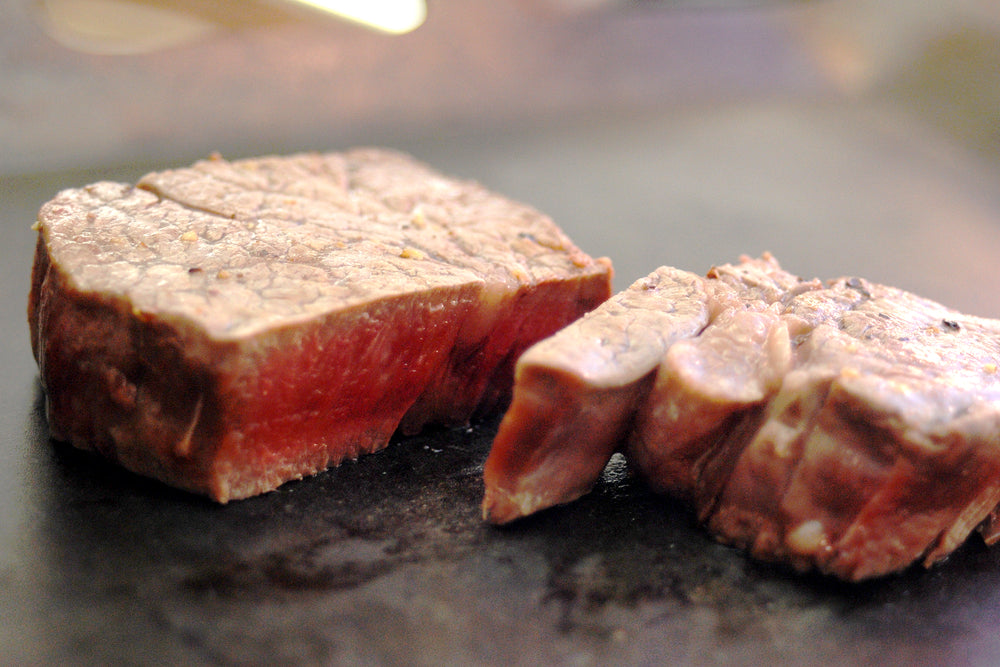
In the case of cooking beef tenderloin, getting the timing proper is essential to attain the proper stage of doneness. The cooking time and temperature will fluctuate relying on the dimensions of the meat tenderloin and the specified stage of doneness. On this part, we’ll discover the frequent cooking instances and temperatures for beef tenderloin primarily based on its measurement and the specified stage of doneness.
Cooking Time and Temperature Elements
The cooking time and temperature of beef tenderloin are influenced by a number of components, together with:
– Oven temperature: A warmer oven will prepare dinner the meat tenderloin quicker than a cooler one. Intention for an inner temperature between 130°F and 140°F for medium-rare, 140°F to 150°F for medium, and 150°F to 160°F for medium-well.
– Beef tenderloin measurement: A smaller beef tenderloin will prepare dinner quicker than a bigger one.
– Cooking methodology: Completely different cooking strategies, corresponding to oven roasting, grilling, or pan-searing, will have an effect on the cooking time and temperature of the meat tenderloin. Regulate the cooking time and temperature accordingly primarily based on the tactic.
Common Cooking Time and Temperature Tips
Listed below are some normal pointers for cooking beef tenderloin primarily based on its measurement and the specified stage of doneness:
| Dimension (weight) | Inside Temperature (°F) | Cooking Time (minutes) |
|---|---|---|
| 8 oz (225g) | 130-140°F (54-60°C) – medium-rare, | 15-20 minutes |
| 8 oz (225g) | 140-150°F (60-66°C) – medium, | 20-25 minutes |
| 12 oz (340g) | 130-140°F (54-60°C) – medium-rare, | 25-Half-hour |
| 12 oz (340g) | 140-150°F (60-66°C) – medium, | 30-35 minutes |
Adjusting Cooking Occasions and Temperatures, How lengthy to prepare dinner beef tenderloin in oven
When adjusting cooking instances and temperatures, keep in mind that a ten% change in cooking time will lead to a ten% change in temperature. To realize the proper stage of doneness, it’s important to make use of a meat thermometer to test the interior temperature of the meat tenderloin. Use the next cooking time and temperature pointers as a place to begin and modify accordingly primarily based in your beef tenderloin measurement and desired stage of doneness.
Slicing and Serving Beef Tenderloin
Serving a wonderfully cooked beef tenderloin is not only about presentation, but in addition about showcasing the wealthy flavors and tender texture that cooking methods can obtain. In the case of slicing and serving, there are just a few essential steps to take to make sure your dish impresses your company.
Permitting the Beef Tenderloin to Relaxation Earlier than Slicing
All too usually, house cooks rush to slice and serve their beef tenderloin instantly after cooking, sacrificing the optimum tenderness and taste. That is the place giving your beef tenderloin time to relaxation is available in – permitting it to repose for round 15 to twenty minutes earlier than slicing is important to attain that excellent tenderness. Throughout this time, the juices redistribute all through the meat, leading to a extra evenly flavored and succulent ultimate product.
By permitting the meat to relaxation, you enable the connective tissue to interrupt down, which makes the meat extra tender. This additionally provides the juices a possibility to redistribute, making the meat extra flavorful and juicy.
As well as, when the meat is sliced instantly after cooking, you danger slicing the muscle fibers in a method that makes the meat robust and chewy. By letting the meat relaxation, you cut back the chance of this occurring and might slice the meat in a method that showcases its tender texture.
Slicing Beef Tenderloin Towards the Grain
To make sure most tenderness, particularly in smaller items or when slicing particular person servings, slicing the meat tenderloin towards the grain is important. To do that:
– Determine the course of the muscle fibers, which must be seen whenever you minimize the meat.
– Slice in the other way of the fibers to make sure even, tender bites.
Selecting the Excellent Complementary Sides and Sauces
To raise your beef tenderloin dish and provide an entire expertise, complementing it with rigorously chosen sides and sauces is essential. Take into account flavors that work in concord with the meat’s sturdy, savory style, like creamy mashed potatoes, sautéed asparagus, or perhaps a fruit compote.
Really helpful Facet Dishes and Sauces
- A facet of roasted greens, corresponding to asparagus or Brussels sprouts, pairs nicely with the wealthy taste of the meat tenderloin. Roasting brings out the pure sweetness within the greens, offering a pleasant distinction to the savory style of the meat.
- Creamy mashed potatoes can present a comforting distinction to the tenderloin’s daring flavors. Merely boil diced potatoes till they’re tender, mash with butter and heavy cream, and add a sprinkle of chives for garnish.
- Fruit compotes can provide a candy, fruity distinction to the savory style of the meat. Select seasonal fruits and blend with a little bit of sugar, lemon juice, and spices for a refreshing accompaniment.
- Natural butters and chutneys can add an fragrant, tangy component to your dish. Combine softened butter with chopped herbs, lemon zest, and spices for a scrumptious accompaniment, or just use a do-it-yourself or store-bought chutney for a flavorful and crunchy distinction.
By incorporating these components and following easy methods, you may unlock a world of unimaginable flavors and textures in your beef tenderloin dish, impressing each your family and friends at gatherings and dinner events alike.
Ultimately, the artwork of slicing and serving the proper beef tenderloin comes right down to endurance, consideration to element, and the suitable methods. By letting the meat relaxation, slicing it with care, and complementing it with flavorful sides and sauces, you may create a really unforgettable eating expertise that can depart an enduring impression.
End result Abstract
By following the rules and suggestions Artikeld on this article, you’ll prepare dinner beef tenderloin within the oven to perfection, each time. Whether or not you are a seasoned chef or a cooking novice, this information will enable you to obtain a scrumptious and tender beef tenderloin that is certain to impress your family and friends. So, go forward and get cooking!
Useful Solutions
Q: What’s the preferrred cooking temperature for beef tenderloin within the oven?
A: The perfect cooking temperature for beef tenderloin within the oven is between 325°F (160°C) and 375°F (190°C), relying on the dimensions of the meat tenderloin and the specified stage of doneness.
Q: How lengthy does it take to prepare dinner a beef tenderloin within the oven?
A: The cooking time for beef tenderloin within the oven relies on the dimensions of the meat tenderloin and the specified stage of doneness. Typically, it takes between 20-40 minutes to prepare dinner a beef tenderloin within the oven, however it’s greatest to make use of a meat thermometer to make sure the meat tenderloin reaches a protected inner temperature.
Q: Can I prepare dinner a beef tenderloin within the oven with no meat thermometer?
A: Whereas it is doable to prepare dinner a beef tenderloin within the oven with no meat thermometer, it isn’t beneficial. A meat thermometer is the easiest way to make sure the meat tenderloin reaches a protected inner temperature, which is important for meals security.

