Learn how to add vignetting in Photoshop is greater than only a intelligent enhancing trick – it is an artwork kind that may elevate your images to new heights. When finished proper, vignetting can draw the attention to the topic, create temper and environment, and add a way of depth to your photographs.
With the appropriate methods and a strong understanding of the method, you may grasp the artwork of including vignettes to your images like a professional.
Understanding Vignetting in Pictures: How To Add Vignetting In Photoshop
Vignetting, a artistic instrument in pictures, is a deliberate darkening of the picture round its edges to create a novel aesthetic. It is an intentional impact that photographers use to attract consideration to the central topic, add context, or create a way of intimacy.
There are three main forms of vignetting: lens vignetting, digicam vignetting, and intentional vignetting.
Lens Vignetting
Lens vignetting happens as a result of means lenses are designed and manufactured. Huge-angle lenses, particularly, are liable to vignetting, particularly at vast apertures. Any such vignetting could be corrected utilizing lens shading or hood attachments. Lens designers use a course of known as vignetting compensation to reduce its influence.
Digicam Vignetting
Digicam vignetting, also called digital vignetting, is brought on by the best way digicam sensors seize and course of gentle. Any such vignetting is commonly seen in cameras with a better variety of megapixels or in conditions the place the topic is close to the digicam’s edges. Digicam vignetting could be corrected utilizing software program, and it is common in digicam profiles and presets.
Intentional Vignetting
Intentional vignetting is a artistic approach the place photographers intentionally introduce vignetting to boost the picture’s aesthetic. Any such vignetting could be achieved utilizing a mix of digicam settings, post-processing methods, and even in-camera instruments just like the digicam’s built-in vignette management. Intentional vignetting can add depth, emphasize the central topic, or create a way of environment.
Results of Vignetting
The results of vignetting could be each optimistic and unfavorable. When executed accurately, it will probably draw consideration to the central topic, create a way of intimacy, or add context to the picture. Nonetheless, when overdone or incorrectly utilized, vignetting can detract from the general aesthetic, making the picture look awkward or unbalanced.
Limitations and Challenges
Implementing vignetting in pictures could be difficult attributable to numerous components, together with tools limitations, scene circumstances, and material. Lens design, digicam sensor kind, and even the kind of picture being taken can have an effect on the result of vignetting. Moreover, intentional vignetting could be time-consuming to realize and will require a big quantity of post-processing.
Profitable Vignetting Purposes, Learn how to add vignetting in photoshop
Vignetting could be efficiently utilized in numerous photographic types, together with portrait, panorama, and road pictures. For instance, in portrait pictures, vignetting can be utilized to attract consideration to the topic’s eyes or to create a way of intimacy. In panorama pictures, vignetting can emphasize the central topic, similar to a mountain or a river, whereas in road pictures, vignetting can create a way of drama or rigidity.
Making use of Vignetting in Photoshop
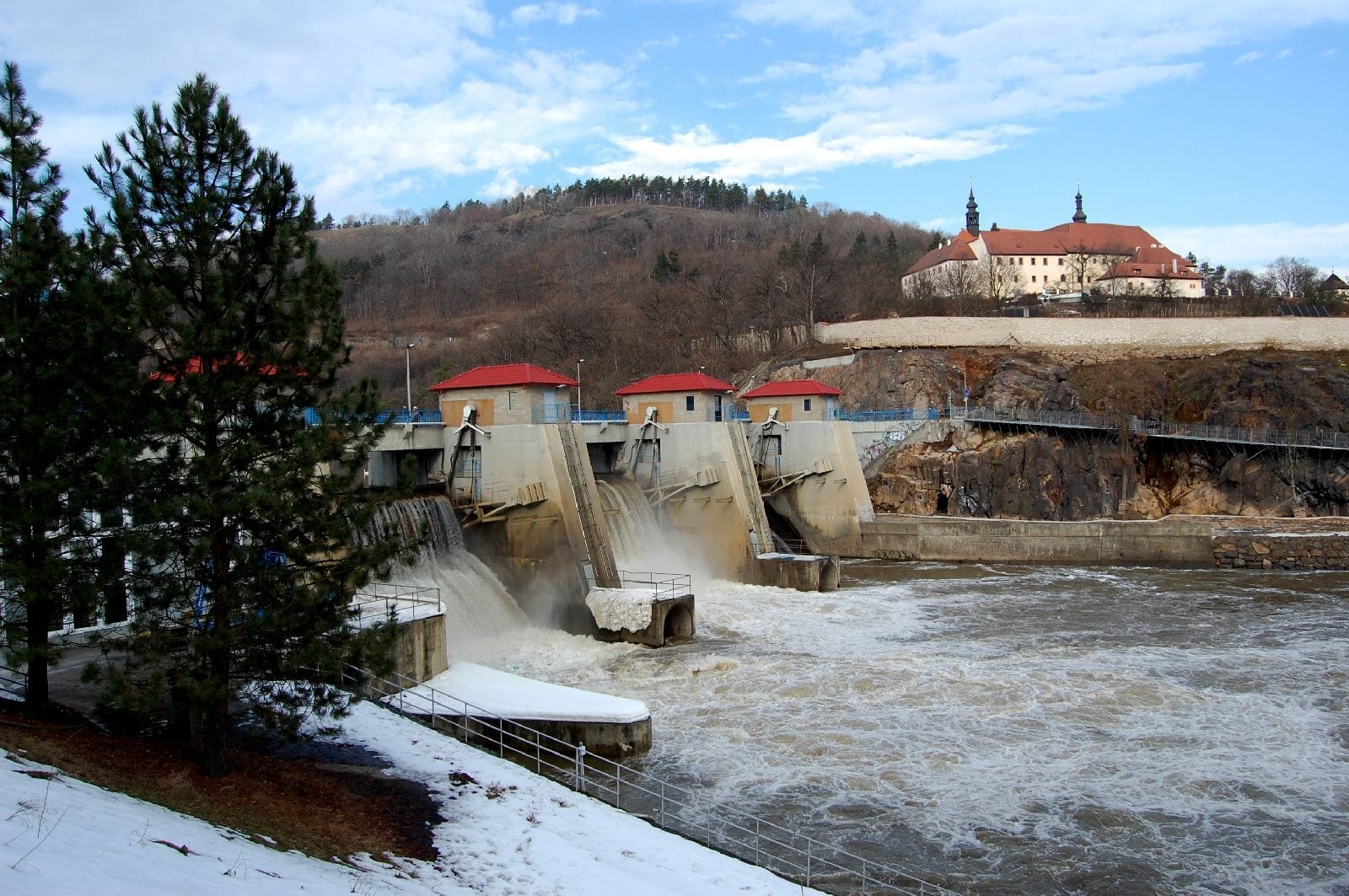
To use vignetting results in Photoshop, you will must have a fundamental understanding of the software program and its numerous instruments. Vignetting is a artistic approach used to attract consideration to particular areas of a picture by subtly darkening or lightening the sides. On this part, we’ll information you thru the method of making use of vignetting in Photoshop utilizing numerous methods.
Vignetting Instruments in Photoshop
Photoshop provides a number of instruments that may assist you create vignetting results. Every instrument has its strengths and weaknesses, making them appropriate for various kinds of photographs and tasks.
- Adjustment Layers: Adjustment layers are an effective way to use vignetting results with out completely altering the picture. You should use the “Vignette” instrument to regulate the darkness of the sides. To entry the “Vignette” instrument, go to “Layer” > “New Changes Layer” > “Vignette”.
- Gradient Maps: Gradient maps are a extra superior approach for creating vignetting results. You should use a gradient map to use a delicate vignette to a picture. To create a gradient map, go to “Layer” > “New Fill Layer” > “Gradient Map”.
- Paths: Paths are helpful for creating complicated vignettes with exact management over the form and measurement. You should use the “Pen Software” to create a path after which fill it with a layer masks to create a vignette.
- Layer Masks: Layer masks are a basic instrument in Photoshop that can be utilized to create vignettes. You should use the “Layer Masks” instrument to color a delicate vignette onto a picture.
Adjusting Vignette Dimension, Form, and Depth
To realize the specified impact, you will want to regulate the scale, form, and depth of the vignette. Listed below are some suggestions that will help you refine your vignette:
- Fading the Vignette: To create a extra delicate vignette, you may fade the sides by adjusting the opacity of the layer or through the use of a layer masks.
- Customizing the Form: You should use the “Pen Software” to create a {custom} form to your vignette. That is notably helpful for creating vignettes with complicated shapes or patterns.
- Utilizing Layer Mixing Modes: Layer mixing modes can be utilized to create distinctive vignette results. For instance, you should use the “Overlay” mixing mode to create a vignette that blends with the picture.
Rerefining the Vignetting Impact
To create a extra natural-looking vignette, you will must refine the impact utilizing layer masks, paths, and changes. Here is how:
- Utilizing Layer Masks: Layer masks can be utilized to refine the form and measurement of the vignette. You should use the “Layer Masks” instrument to color a delicate vignette onto a picture.
- Creating Paths: Paths can be utilized to create complicated vignettes with exact management over the form and measurement. You should use the “Pen Software” to create a path after which fill it with a layer masks to create a vignette.
- Adjusting the Vignette: You’ll be able to modify the vignette through the use of the “Adjustment Layer” instrument. This may will let you fine-tune the darkness and shade of the vignette.
Refining the Vignette for a Skilled End
Refining the vignette is an important step in attaining an expert end. This includes making delicate changes to the vignette’s settings, mixing it seamlessly with the encompassing picture, and guaranteeing that the ultimate consequence doesn’t over-process the picture. By taking note of these particulars, you may create a vignette that enhances the general aesthetic of your picture with out distracting from its content material.
One approach for refining the vignette is to make use of gradient maps. This lets you apply a gradual transition from one shade to a different, making a clean and natural-looking vignette. To do that, comply with these steps:
Utilizing Gradient Maps for Refining the Vignette
* Go to the Layers panel and choose the vignette layer.
* Click on on the Layer Fashion button on the backside of the Layers panel and choose Mixing Choices.
* Within the Layer Fashion dialog field, click on on the Gradient Map tab.
* Choose a gradient that matches the colour tone of your picture, similar to a darkening gradient for a black and white picture.
* Regulate the opacity and mixing mode to realize a delicate transition between the vignette and the encompassing picture.
One other approach is to make use of adjustment layers to make exact changes to the vignette’s settings. This lets you goal particular areas of the picture and make delicate modifications with out affecting the general picture. To do that, comply with these steps:
Utilizing adjustment layers for exact management over the vignette’s settings.
* Go to the Layers panel and choose the vignette layer.
* Click on on the Create New Fill or Adjustment Layer button on the backside of the Layers panel and choose Gradient Map.
* Within the Gradient Map dialog field, choose a gradient that matches the colour tone of your picture.
* Regulate the opacity and mixing mode to realize a delicate transition between the vignette and the encompassing picture.
Masking methods may also be used to refine the vignette by selectively making use of it to particular areas of the picture. This lets you create a custom-fit vignette that enhances the picture’s composition. To do that, comply with these steps:
Masking the Vignette for Customized Match
* Go to the Layers panel and choose the vignette layer.
* Choose the Lasso instrument and draw a path across the space of the picture the place you wish to apply the vignette.
* Go to the Paths panel and create a brand new path.
* Choose the trail and go to the Layers panel, and click on on the Add Layer Masks button.
* Within the Layer Masks dialog field, choose the trail because the masks and click on OK.
Lastly, it is important to verify for over-processing and protect picture particulars within the areas the place the vignette is utilized. This may be finished by commonly checking the picture’s ranges and distinction, and adjusting the vignette’s settings accordingly. By doing so, you may obtain a natural-looking vignette that enhances the picture with out over-processing it.
- Finest Practices for Preserving Picture Particulars
* Frequently verify the picture’s ranges and distinction to make sure that the vignette just isn’t over-processing the picture.
* Regulate the vignette’s settings in line with the picture’s composition and content material.
* Use masking methods to selectively apply the vignette to particular areas of the picture.
* Use adjustment layers to make exact changes to the vignette’s settings.
To avoid wasting and export the ultimate vignette-enhanced picture, comply with these steps:
Saving and Exporting the Ultimate Picture
* Go to the Layers panel and choose the vignette layer.
* Go to the Edit menu and choose Flatten Picture.
* Within the Save As dialog field, choose the specified file format (similar to TIFF or PSD) and placement.
* Regulate the picture’s decision and shade mode in line with your wants.
* Click on Save to avoid wasting the ultimate picture.
Final Phrase
And there you’ve it – the last word information to including vignetting in Photoshop. Whether or not you are a seasoned professional or simply beginning out, the following tips and tips will assist you take your pictures to the subsequent degree.
So go forward, experiment with totally different types, and see what superb issues you may create. Completely satisfied enhancing!
Skilled Solutions
Q: What’s vignetting and why do I would like it in my images?
Vignetting is a artistic impact utilized in pictures and picture enhancing that includes darkening the sides of a picture to attract the viewer’s consideration to the middle. It is like a digital body that highlights your topic and provides depth to your picture.
Q: Can I add vignetting to movies in Photoshop too?
Sure, you may positively add vignetting results to movies in Photoshop. In truth, it is an effective way so as to add a cinematic really feel to your movies and make them stand out.
Q: How do I take away the vignette from a picture if I by chance add an excessive amount of?
No worries, it is easy to take away a vignette when you add an excessive amount of. Merely use the ‘Layer Masks’ instrument in Photoshop to masks out the affected areas, and voila! Your picture can be again to regular.

