The best way to make sand – Delving into the method of making sand, this text takes you on a journey by means of the important parts, the function of water, and the ultimate product – an ideal mix of texture, density, and shade.
The content material of this text is split into seven essential steps, from gathering the mandatory parts to making use of the ending touches and at last utilizing the sand in varied ornamental and architectural functions.
Gathering Important Elements for Making Sand
Making sand is a posh course of that requires a wide range of pure and man-made supplies. The success of the method depends upon the standard and amount of those parts. On this part, we are going to study the important parts wanted to make sand, their roles, and the significance of every element within the sand-making course of.
Pure Elements
The pure parts required for making sand embrace:
- Rocks and stones: These are the first sources of sand, and their kind and dimension will decide the feel and shade of the ultimate product. For instance, granite rocks will produce darker sand than limestone rocks.
- Caves and mineral deposits: Fossilized shells, coral, and different mineral deposits can create distinctive and precious kinds of sand, equivalent to seashore sand or desert sand.
- Historic riverbeds and lakebeds: These areas can include sand that has been worn down over hundreds of years, making a high-quality, uniform sand.
- Ocean and sea water: Seawater incorporates a wide range of minerals and salts that may be deposited on seashores, creating a singular kind of sand.
Man-Made Elements
Man-made parts are additionally essential in making sand. These embrace:
- Concrete waste: Damaged concrete will be processed to create a wide range of sands, together with silica sand or crushed concrete sand.
- Coal or tar sand: That is used as a binding agent within the manufacturing of sand merchandise, equivalent to sandpaper or abrasives.
- Metals and minerals: Sure metals and minerals will be added to sand to boost its properties, equivalent to rising its thermal conductivity or electrical resistance.
- Recycled glass or ceramic: These supplies will be crushed and processed to create a high-quality, uniform sand that can be utilized in a wide range of functions.
Function of Elements within the Sand-Making Course of
Every element performs an important function within the sand-making course of. The mix and proportion of those parts will decide the ultimate product’s texture, density, and shade. For instance, granite rocks will produce a coarser sand with a darker shade, whereas historical riverbeds will produce a finer sand with a lighter shade.
The pure parts will account for about 70-80% of the sand-making course of, whereas the man-made parts will account for about 20-30%. The precise proportions will rely on the particular utility and the specified properties of the ultimate product.
Technique of Sourcing and Accumulating Elements
Sourcing and amassing these parts requires cautious planning, consideration of security precautions, and specialised tools. Right here is an outline of the method:
- Rock and stone quarries: These will be mined utilizing heavy equipment and transported to processing services.
- Historic riverbeds and lakebeds: These areas will be dredged utilizing specialised tools and processed to extract the sand.
- Concrete waste: This may be collected from development websites and processed utilizing specialised tools.
- Coal or tar sand: This may be extracted utilizing specialised mining tools.
- Metals and minerals: These will be extracted from underground deposits utilizing specialised mining tools.
Security Precautions
When sourcing and amassing these parts, security precautions should be taken to keep away from accidents and accidents. This consists of:
- Carrying protecting gear, equivalent to gloves and security glasses.
- Utilizing specialised tools, equivalent to heavy equipment or dredging tools.
- Following security protocols, equivalent to lockout/tagout procedures.
Gear and Instruments
Specialised tools and instruments are required to course of and supply these parts. This consists of:
- Crushers and grinders: These are used to interrupt down rocks and different supplies into sand.
- Mixers and blenders: These are used to mix and blend the parts to create a uniform sand.
- Screening and separation tools: These are used to separate the sand from impurities and undesirable materials.
- Abrasives and sprucing instruments: These are used to shine and easy the sand.
Security is paramount when sourcing and amassing these parts. Accidents and accidents can happen if correct precautions will not be taken.
Understanding the Function of Water in Sand Making
Water performs a pivotal function within the sand-making course of, because it instantly impacts the feel, particle dimension, and general consistency of the generated sand. The presence of water facilitates the separation of sand particles from different particles and contaminants, thereby enhancing the standard and purity of the ultimate product. Understanding the intricate relationship between water and sand-making is important for producing high-quality sand that meets particular industrial or development necessities.
The Results of Water on Sand Texture and Particle Measurement
Water considerably influences the feel and particle dimension of sand, because it aids within the separation of particles of various sizes. As water flows over the sand particles, it dislodges and washes away the finer particles, forsaking a extra uniform and coarse-grained sand. This phenomenon is named particle dimension discount, the place the bigger particles stay intact whereas the smaller particles are eliminated.
Strategies of Incorporating Water into the Sand-Making Course of
There are two main strategies of incorporating water into the sand-making course of: guide mixing and mechanical agitation. Handbook mixing entails manually mixing water with the sand particles in a managed setting, whereas mechanical agitation makes use of equipment to agitate and blend the sand and water. The selection of technique depends upon the particular necessities of the sand-making course of and the specified high quality of the ultimate product.
Challenges of Working with Water in Sand Making
Working with water in sand making will be difficult as a result of a number of elements, together with erosion, sedimentation, and waterborne contaminants. Erosion can happen when water flows over the sand particles, inflicting them to turn out to be suspended within the water and probably resulting in a lack of particles. Sedimentation, however, can happen when water is faraway from the sand, inflicting the particles to settle and probably resulting in contamination. Waterborne contaminants may also be a problem, as they’ll have an effect on the standard of the ultimate product and probably hurt the setting.
Methods for Mitigating Challenges in Sand Making
To mitigate the challenges related to working with water in sand making, a number of methods will be employed. These embrace implementing correct erosion management measures, equivalent to including chemical substances or utilizing equipment to stabilize the sand particles. Moreover, sedimentation will be managed by means of the usage of correct filtration programs and water remedy processes. Lastly, waterborne contaminants will be minimized by means of the usage of correct water remedy and filtration programs.
The standard of the sand produced is instantly associated to the standard of the water used within the sand-making course of.
Greatest Practices for Working with Water in Sand Making
To make sure the best high quality sand is produced, a number of greatest practices needs to be adopted when working with water in sand making. These embrace correctly controlling the water circulation and agitation charges, using correct filtration and remedy programs, and monitoring the water high quality all through the sand-making course of.
Making ready the Sand Combination
To create a well-balanced sand combination, it is essential to mix the important parts and water within the right proportions. This step is usually missed, resulting in an uneven texture and poor efficiency in downstream functions. By following a tried-and-tested strategy, you’ll be able to put together a uniform sand combination that meets your wants.
Measuring and Mixing Ratios
The best ratio of parts to water might fluctuate relying on the particular utility and necessities. As a common guideline, a typical combination ratio is 1 half cement or binding agent to 2 components sand. The addition of water is important, because it helps to bind the parts collectively and enhances the combination’s workability. A common water-to-component ratio is 0.5 components water for each 1 half element. Nevertheless, this may be adjusted based mostly on the particular wants of the challenge.
Examples of Sand Combination Recipes
Listed below are some examples of various sand combination recipes, together with particular proportions of parts and water:
- Cement-based combination: 1 half cement, 2 components sand, and 0.5 components water.
- Concrete combination: 1 half cement, 3 components combination (sand or gravel), and 0.5 components water.
- Mortar combination: 1 half cement, 3 components sand, and 0.5 components water.
These recipes will be adjusted to go well with particular functions, equivalent to including polymers or fibers for enhanced energy or sturdiness.
Results of Completely different Mixing Strategies
The blending technique is one other important consider making ready a well-balanced sand combination. There are two main strategies: guide stirring and mechanical mixing.
Handbook Stirring
Handbook stirring entails utilizing a spoon or trowel to combine the parts and water collectively. Whereas this technique is straightforward and simple to execute, it might result in inconsistencies within the combination, notably if the supplies will not be correctly blended. This can lead to uneven texture and diminished efficiency in downstream functions.
Mechanical Mixing
Mechanical mixing entails utilizing a mixer or mixing machine to mix the parts and water. This technique is extra environment friendly and produces a extra uniform combination, lowering the chance of inconsistencies and guaranteeing higher efficiency in downstream functions.
Evaluating Mixing Strategies
The selection of blending technique depends upon the particular necessities of the challenge and the size of manufacturing. For small-scale tasks, guide stirring could also be adequate, whereas mechanical mixing is extra appropriate for larger-scale functions.
Illustrative Instance
As an example the significance of blending, think about a small-scale development challenge that requires a cement-based sand combination. If the combination shouldn’t be correctly blended, the ensuing construction could also be weak and vulnerable to cracks, resulting in expensive repairs and reputational injury. In distinction, a well-mixed combination ensures a robust and sturdy construction, defending the funding and fame of the constructor.
Shaping and Molding the Sand
Shaping and molding the sand combination into the specified kind is a vital step within the sand-making course of. By controlling the feel, density, and aesthetics of the sand, you’ll be able to create varied objects and designs that aren’t solely visually interesting but additionally appropriate for particular functions. This consists of crafting sculptures, creating molds for casting, and even producing constructing supplies.
Methods for Shaping and Molding Sand
When shaping and molding sand, it’s important to decide on the proper method to attain the specified consequence. Two main strategies are hand molding and machine molding.
Hand molding entails utilizing strategies equivalent to urgent, patting, or scooping to manually form the sand combination into the specified kind. This technique is good for creating intricate designs, small objects, and delicate buildings. Hand molding permits for a excessive diploma of management and precision, making it appropriate for functions the place small particulars are essential.
Machine molding, however, employs varied machines and instruments to form the sand combination into the specified kind. This technique is quicker and extra environment friendly than hand molding, making it appropriate for large-scale productions and mass manufacturing. Machine molding can produce a excessive quantity of equivalent objects, making it ideally suited for functions the place uniformity is critical.
Creating Intricate Designs and Patterns, The best way to make sand
Creating intricate designs and patterns with sand requires a mix of strategies and instruments. One strategy to obtain that is through the use of stencils, that are templates made out of supplies equivalent to steel, paper, and even wooden. Stencils can be utilized to create a variety of designs, from easy patterns to advanced pictures.
One other strategy to create intricate designs is through the use of stamps. Stamps are instruments made out of supplies equivalent to steel, plastic, or wooden, that are used to press patterns into the sand combination. Stamps can be utilized to create a wide range of designs, from easy textures to advanced pictures.
Molds may also be used to create intricate designs and patterns. Molds are templates made out of supplies equivalent to steel, plastic, or silicone, that are used to form the sand combination into the specified kind. Molds can be utilized to create a variety of objects, from easy shapes to advanced buildings.
- Utilizing stencils can create intricate and detailed designs, equivalent to patterns, pictures, and even 3D objects.
- Stamps can be utilized to create a wide range of textures and patterns, equivalent to stripes, dots, and even intricate designs.
- Molds can be utilized to create advanced buildings, equivalent to sculptures, buildings, or different objects.
Drying and Curing the Sand
As we conclude the shaping and molding course of, it’s important to deal with the ultimate steps of making your synthetic sand, which entails drying and curing. This significant stage influences the top product’s high quality, efficiency, and longevity.
Controlling Temperature and Humidity for Drying
Drying is a important course of the place extra moisture is faraway from the sand combination. This helps forestall water spots, promotes adhesion, and enhances the sand’s stability. Temperature and humidity ranges play a major function within the drying course of. Excessive temperatures (above 70°F/21°C) and low humidity (under 60%) speed up the drying course of. Nevertheless, warning should be taken to keep away from overheating, which may result in uneven drying or the formation of cracks. Conversely, excessive humidity slows down the drying course of, which can require the usage of air drying tools or a managed drying setting.
Curing: The Results on Hardness, Sturdiness, and Stability
Curing is a chemical course of the place a binding agent or sealant reacts with the sand to kind a secure and laborious floor. Satisfactory curing not solely enhances the sand’s sturdiness but additionally supplies resistance to put on and tear. Relying on the kind of binding agent or sealant used, curing instances can fluctuate from a number of hours to a number of days. A well-cured sand floor displays improved hardness, guaranteeing it might face up to heavy use with out deforming or disintegrating.
Making use of a End or Sealant to the Sand
Making use of a end or sealant to the sand combination helps shield it from environmental elements, equivalent to weathering, erosion, or chemical publicity. Choosing the proper product and utility technique is essential to make sure a sturdy and secure end. Frequent finishes embrace water-based or solvent-based coatings, varnishes, or specialised sealants for out of doors or indoor functions. Correct floor preparation earlier than making use of the end is important to make sure a uniform and long-lasting coating.
Ending Touches and Utility
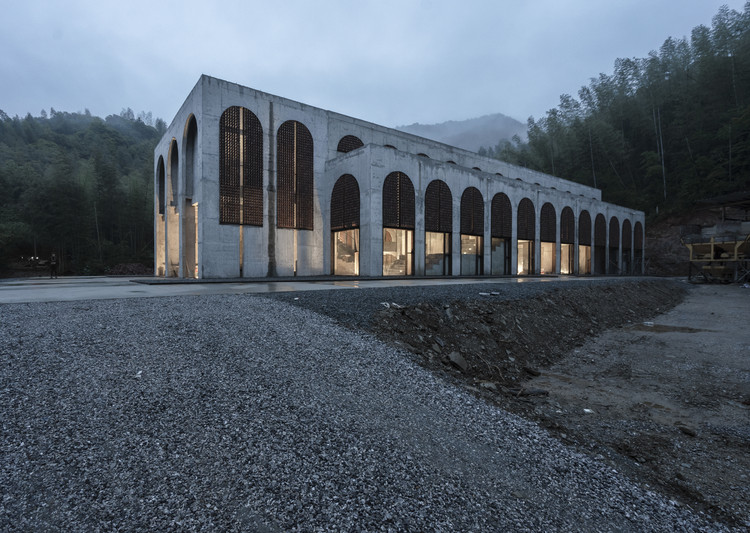
Ending touches and utility are the ultimate steps in creating a ravishing and sturdy sand floor. Whether or not you are creating ornamental designs, sculptures, or architectural options, this ultimate stage is essential to make sure your sand masterpiece is visually interesting and long-lasting.
Sanding and Sprucing
Sanding and sprucing are important steps to attain a easy and even end. Sanding entails utilizing progressively finer grits to take away any imperfections or scratches from the sand floor. This course of helps to create a easy floor that may obtain a polish. Sprucing entails utilizing a sprucing compound to boost the colour and shiny look of the sand.
- Sand utilizing progressively finer grits (80-200) to take away imperfections and stage the floor.
- Apply a sprucing compound and buff the floor to a high-gloss end.
- The sprucing compound can improve the colour and look of the sand, creating a surprising impact.
Coloring and Staining
Coloring and marking are strategies used to boost the looks of the sand floor. This entails making use of a colorant or stain to attain the specified shade and hue. Coloring will be finished utilizing varied strategies, together with making use of a liquid colorant, powder coating, and even utilizing pure dyes from crops or minerals.
- Apply a colorant or stain to the sand floor utilizing a brush, spray bottle, or pouring technique.
- The colorant or stain will be blended with a binder or adhesive to make sure a robust bond with the sand.
- Pure dyes, equivalent to indigo, turmeric, or beets, can be utilized to create distinctive and sustainable shade choices.
Strategies of Utility
There are numerous strategies to use the completed sand to a floor, together with spraying, brushing, and pouring. The chosen technique depends upon the specified impact, floor texture, and the kind of sand getting used.
- Spraying entails making use of a skinny layer of sand utilizing a sprayer, ideally suited for delicate or intricate designs.
- Brushing entails making use of the sand utilizing a brush, appropriate for textured surfaces or thicker layers of sand.
- Pouring entails pouring the sand onto the floor, usually used for bigger areas or tasks requiring a uniform layer.
Examples of Utility
Completed sand can be utilized in a wide range of functions, together with ornamental designs, sculptures, and architectural options.
| Utility | Description |
|---|---|
| Ornamental Designs | Use completed sand to create intricate designs, patterns, or textures on partitions, furnishings, or different surfaces. |
| Sculptures | Create three-dimensional sculptures by making use of completed sand to a floor, usually blended with adhesives or resin. |
| Architectural Options | Use completed sand to create distinctive architectural options, equivalent to ornamental facades, ceilings, or flooring. |
Security Precautions and Greatest Practices: How To Make Sand
When working with sand, it’s important to prioritize security precautions to keep away from accidents, accidents, and environmental hurt. Sand will be hazardous if not dealt with correctly, and adhering to greatest practices ensures a easy and profitable challenge.
Correct Air flow and Protecting Gear
Correct air flow is important when working with sand, particularly in confined areas or areas with poor air circulation. Mud particles can irritate eyes, pores and skin, and respiratory programs, resulting in discomfort and well being points. To mitigate this, it’s essential to take care of good airflow through the use of followers or air flow programs. Moreover, put on protecting gear equivalent to masks, goggles, gloves, and long-sleeved shirts to stop publicity to sand particles. This protecting gear can even assist forestall minor accidents, equivalent to cuts and scratches, that may come up from dealing with sharp objects or edges.
-
Put on masks with no less than 95% filtration effectivity to lure high-quality mud particles and stop inhalation.
Goggles shield eyes from sand particles, mud, and different particles which will trigger eye irritation or damage.
Gloves forestall pores and skin irritation and cuts from sharp objects or tough surfaces.
Lengthy-sleeved shirts and pants shield pores and skin from sand particles, mud, and different irritants.
Spill Management and Containment
Spills and accidents can happen when working with sand, and correct containment measures are important to stop environmental injury and preserve a protected working setting. At all times clear up spills instantly, and use containment measures equivalent to tarps, bins, or trays to stop sand from spreading or contaminating close by areas. Repeatedly examine tools and instruments to make sure they don’t leak or malfunction, which may result in sand spills.
-
Clear up spills instantly utilizing a brush, dustpan, and water.
Comprise spills utilizing tarps, bins, or trays to stop sand from spreading.
Repeatedly examine tools and instruments to stop malfunctions or leaks.
Label and retailer containers and supplies correctly to stop mix-ups and accidents.
Sustaining a Clear Workspace
Sustaining a clear and arranged workspace is essential for guaranteeing a protected and environment friendly working setting. Repeatedly clear instruments, tools, and surfaces to stop mud buildup and the unfold of sand particles. Eliminate waste supplies correctly, and preserve instruments and tools in accordance with producer directions. Correct waste disposal and power upkeep are important for sustaining a protected and wholesome working setting.
-
Repeatedly clear instruments and tools to stop mud buildup and power degradation.
Eliminate waste supplies correctly, following native rules and pointers.
Repeatedly preserve instruments and tools in accordance with producer directions.
Label and retailer chemical substances and supplies correctly to stop mix-ups and accidents.
Rules and Pointers
Familiarize your self with native rules and pointers for working with sand. Receive essential permits, licenses, and comply with environmental pointers to stop injury to ecosystems and communities. Compliance with rules and pointers ensures a easy and profitable challenge.
-
Receive essential permits and licenses from native authorities.
Familiarize your self with environmental pointers and rules.
Comply with native pointers for waste disposal and recycling.
Report any accidents, incidents, or spills to native authorities instantly.
Finish of Dialogue
By following these steps, it is possible for you to to create your very personal sand at house, experimenting with completely different parts and strategies to attain the specified texture, density, and shade. From ornamental designs to architectural options, the chances are infinite.
Important Questionnaire
Q: What’s the main element in making sand?
A: The first element in making sand is silica, which is often present in sandstone, quartz, and granite.
Q: Can I take advantage of any kind of water to make sand?
A: No, it is really helpful to make use of distilled or deionized water to keep away from contaminating the sand combination.
Q: How lengthy does it take to dry the sand?
A: The drying time depends upon the thickness and humidity of the setting, but it surely sometimes takes anyplace from a number of hours to a number of days.
Q: Can I add pigments to the sand?
A: Sure, you’ll be able to add pigments to the sand to create completely different colours and designs, however ensure that to make use of environmentally pleasant pigments.

