Learn how to reconstitute peptides marks the start of an enchanting journey into the world of molecular biology, the place advanced chemical compounds are harnessed to unlock the secrets and techniques of life.
Right here, we delve into the significance of peptide reconstitution, exploring its origins, purposes, and the varied strategies employed to carry these essential molecules to life.
Understanding the Fundamentals of Peptide Reconstitution
Peptide reconstitution is a vital step in scientific analysis, enabling the creation of useful peptides that may work together with particular organic targets. On this context, understanding the basics of peptide reconstitution is crucial for researchers working in fields akin to molecular biology, biochemistry, and pharmaceutical sciences. The significance of reconstituting peptides lies of their potential to modulate illness pathways, deal with varied illnesses, and develop novel therapeutics.
Traditionally, peptide reconstitution strategies have advanced by varied phases, from conventional chemical synthesis strategies to extra refined approaches like solid-phase synthesis and chemical ligation. These developments have considerably improved the effectivity and yield of peptide synthesis, permitting researchers to discover a variety of peptide sequences and capabilities.
In trendy molecular biology, peptide reconstitution performs a significant function in understanding the intricate mechanisms of protein-protein interactions, sign transduction, and gene regulation. Moreover, the event of peptide-based therapeutics has revolutionized the therapy of varied illnesses, together with most cancers, autoimmune problems, and cardiovascular illnesses. The combination of peptide reconstitution with gene remedy and regenerative medication has additionally opened up novel avenues for the therapy of genetic problems and tissue engineering.
Completely different Sorts of Peptide Reconstitution Strategies
A number of peptide reconstitution strategies are employed in varied fields, every with its distinctive benefits and purposes.
Syntax-Based mostly Peptide Reconstitution
Syntax-based peptide reconstitution entails using particular chemical linkers and activating brokers to facilitate the formation of peptide bonds. This method is especially helpful for the creation of advanced peptide sequences and has been broadly utilized within the improvement of peptide-based vaccines and therapeutic brokers.
Chemical Ligation-Based mostly Peptide Reconstitution
Chemical ligation-based peptide reconstitution employs native chemical ligation, a chemoselective response that enables for the environment friendly coupling of unprotected peptides. This technique has been used to synthesize quite a lot of peptides, together with these containing disulfide bonds, and has proven nice promise within the improvement of peptide-based therapeutics.
Strong-Part Peptide Synthesis (SPPS)
Strong-phase peptide synthesis (SPPS) is a broadly used technique for peptide reconstitution, which entails the stepwise addition of amino acid residues to a stable assist. This method has revolutionized the sector of peptide synthesis, enabling the environment friendly and cost-effective manufacturing of enormous peptides and proteins.
Blended-Anhydride (MA) Methodology
The mixed-anhydride (MA) technique is a variant of SPPS that employs a combination of anhydrides and activator reagents to facilitate the formation of peptide bonds. This method has been used to synthesize a spread of peptides, together with these containing labile amino acids, and has proven nice promise within the improvement of peptide-based therapeutics.
Biosynthetic Peptide Reconstitution
Biosynthetic peptide reconstitution entails using microorganisms or mobile methods to supply peptides and proteins. This method has a number of benefits, together with the potential for large-scale manufacturing, cost-effectiveness, and the power to introduce particular structural options into the peptide.
Expression of Fusions to Peptide Tags
Expression of fusions to peptide tags entails the creation of recombinant proteins that include a peptide tag, which can be utilized for purification, detection, or different functions. This method has been broadly utilized in varied fields, together with structural biology and protein engineering.
Different Peptide Reconstitution Strategies
Different peptide reconstitution strategies embody native chemical ligation, click on chemistry, and photo-cross-linking. These approaches have been used to synthesize a spread of peptides, together with these containing delicate amino acids, and have proven nice promise within the improvement of peptide-based therapeutics.
Peptide reconstitution strategies have revolutionized the sector of molecular biology, enabling the creation of useful peptides that may work together with particular organic targets.
These peptide reconstitution strategies have been utilized in quite a lot of fields, together with structural biology, protein engineering, and drug improvement. The flexibility and energy of peptide reconstitution make it a necessary instrument for researchers in these fields.
Sorts of Peptides and their Reconstitution Necessities
Peptides are important molecules in varied organic processes, together with signaling pathways, enzyme regulation, and immune responses. The reconstitution of peptides is a vital step in analysis, diagnostics, and therapeutic purposes. Various kinds of peptides have distinctive traits that require tailor-made reconstitution strategies to make sure optimum exercise and stability.
Naturally Occurring Peptides
Naturally occurring peptides are biologically synthesized by residing organisms and play a significant function in varied physiological processes. These peptides are usually stabilized by native disulfide bonds and are delicate to pH, temperature, and ionic energy. To reconstitute naturally occurring peptides, aqueous buffer options are generally used. The expected pH for reconstitution is round 7.4, which matches the physiological pH of most mammalian cells. An incubation time of two hours at 20°C is usually adequate to make sure correct folding and stabilization of the peptide.
-
Aqueous Buffer: 0.1 M Tris-HCl, pH 7.4
Focus: 1-10 mg/mL
Incubation Time: 2 hours at 20°C
Artificial Peptides
Artificial peptides are chemically synthesized and sometimes lack the native disulfide bonds present in naturally occurring peptides. These peptides are usually extra steady and have an extended shelf life. Nevertheless, they could require natural co-solvents to facilitate correct folding and reconstitution. For reconstituting artificial peptides, natural co-solvents akin to acetonitrile or DMSO are utilized in concentrations starting from 5-20%. The expected pH for reconstitution is round 5.5, which permits the peptide to unfold and refold in a extra managed atmosphere. An incubation time of 0.5 hours at 15°C is often adequate to make sure correct refolding and stability.
-
Natural Co-solvent: Acetonitrile or DMSO
Focus: 5-20% (v/v)
Incubation Time: 0.5 hours at 15°C
Genetically Engineered Peptides, Learn how to reconstitute peptides
Genetically engineered peptides are designed by recombinant DNA know-how and sometimes possess distinctive properties not discovered of their native counterparts. These peptides could require specialised reconstitution protocols attributable to their advanced sequences or post-translational modifications. For reconstituting genetically engineered peptides, a mix of aqueous buffer and natural co-solvent could also be used. The expected pH for reconstitution is round 6.5, which permits the peptide to unfold and refold in a extra managed atmosphere. An incubation time of 1 hour at 18°C is often adequate to make sure correct refolding and stability.
-
Aqueous Buffer: 0.1 M Tris-HCl, pH 6.5
Natural Co-solvent: DMSO
Focus: 5-10% (v/v)
Incubation Time: 1 hour at 18°C
| Peptide Kind | Optimum Solvent | Predicted pH | Incubation Time (hours) | Temperature (°C) |
|---|---|---|---|---|
| Naturally Occurring Peptides | Aqueous Buffer | 7.4 | 2 | 20 |
| Artificial Peptides | Natural Co-solvent | 5.5 | 0.5 | 15 |
| Genetically Engineered Peptides | Aqueous Buffer + Natural Co-solvent | 6.5 | 1 | 18 |
P H and Temperature Management throughout Peptide Reconstitution
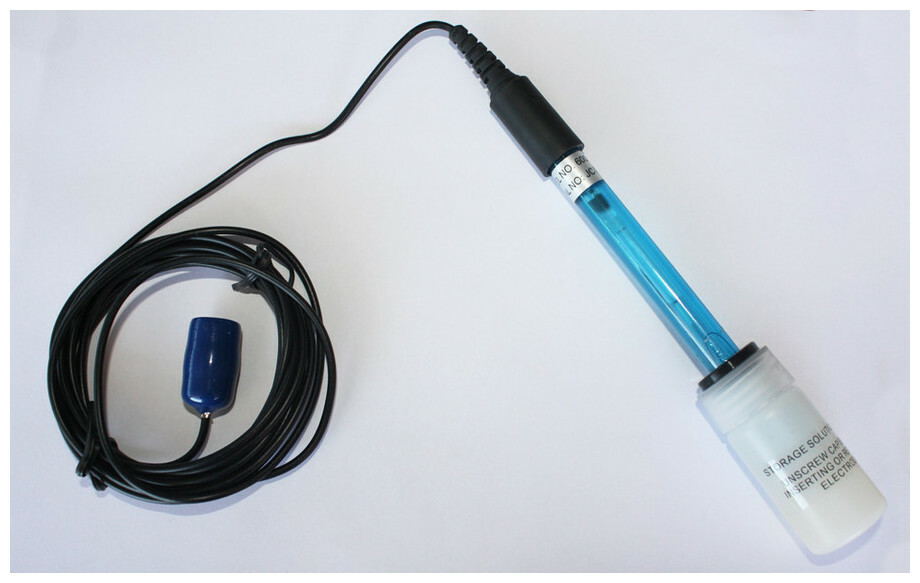
Sustaining optimum circumstances throughout peptide reconstitution is essential for reaching high-quality and bioactive peptides. pH and temperature play essential roles in figuring out the steadiness, conformation, and bioactivity of peptides. On this part, we’ll delve into the importance of pH and temperature management, their affect on peptide reconstitution outcomes, and methods for controlling these parameters.
Significance of pH Management throughout Peptide Reconstitution
The pH of the reconstitution buffer impacts the steadiness and conformation of peptides. Peptides have optimum pH ranges for stability, and deviations from these ranges can result in degradation or denaturation.
For instance, some peptides have an optimum pH vary between 6.5 to 7.5 for stability.
The pH of the buffer can even affect the solubility and aggregation of peptides, which may affect their bioactivity.
Affect of Temperature on Peptide Conformation, Stability, and Bioactivity
Temperature impacts the conformation, stability, and bioactivity of peptides. Elevated temperatures could cause peptide degradation, denaturation, or aggregation, resulting in lowered bioactivity.
The melting temperature (Tm) of peptides is the temperature at which they start to denature and lose their native conformation. Usually, peptides with low Tm values require cooling or ice-cold reconstitution buffers.
Alternatively, peptides with excessive Tm values could be reconstituted at room temperature or barely above. Temperature management is crucial to make sure the steadiness and bioactivity of peptides throughout reconstitution.
Penalties of Extreme pH or Temperature Fluctuations on Peptide Reconstitution Outcomes
Extreme fluctuations in pH or temperature can result in peptide degradation, denaturation, or aggregation, leading to lowered bioactivity. Extended publicity to excessive pH or temperature circumstances can even irreversibly harm peptides, rendering them unusable.
As an example, extreme warmth could cause peptide aggregation, resulting in lack of bioactivity or lowered solubility.
Methods for Controlling pH and Temperature throughout Reconstitution
A number of methods could be employed to manage pH and temperature throughout peptide reconstitution:
- Buffer Techniques: Utilizing an acceptable buffer system, akin to phosphate or citrate buffer, will help keep optimum pH ranges. Buffers could be chosen based mostly on the peptide’s optimum pH vary and the specified reconstitution circumstances.
- Thermal Management Gadgets: Using thermal management gadgets, akin to thermostatic water baths or chilly rooms, will help keep exact temperature management.
- Temperature Monitoring: Common temperature monitoring is crucial to make sure that the reconstitution temperature stays inside the optimum vary.
- Exact Dealing with: Exact dealing with strategies, akin to utilizing pipettes or gloves, will help decrease temperature fluctuations and contamination throughout reconstitution.
- Lyophilization: lyophilizing the peptide will help protect its stability and bioactivity throughout storage and reconstitution.
Significance of Monitoring and Recording Reconstitution Parameters
Monitoring and recording reconstitution parameters, together with pH, temperature, and time, is essential to make sure the standard and consistency of peptides. This data can be utilized to optimize reconstitution circumstances, troubleshoot points, and keep high quality management.
Common monitoring and recording of reconstitution parameters will help determine any deviations from optimum circumstances and modify the protocol accordingly.
Ultimate Ideas: How To Reconstitute Peptides
The artwork of peptide reconstitution is a fragile dance, requiring precision and a focus to element to coax these very important molecules into existence.
As we conclude this exploration, it’s clear that peptide reconstitution holds the important thing to unlocking the total potential of molecular biology, promising groundbreaking developments in fields akin to gene remedy and regenerative medication.
FAQ Abstract
What’s peptide reconstitution?
Peptide reconstitution is the method of dissolving or suspending a peptide in a solvent to create an answer or combination appropriate for additional evaluation or use in analysis.
Why is peptide reconstitution important in scientific analysis?
Peptide reconstitution is essential in scientific analysis because it allows scientists to review the conduct, properties, and capabilities of peptides in a managed atmosphere, which is important for understanding their roles in organic processes.
What are the widespread strategies of peptide reconstitution?
The widespread strategies of peptide reconstitution embody sonication, vortexing, and agitation, in addition to extra superior strategies akin to microfluidic-based reconstitution.
How do I select the proper reconstitution technique for my peptide?
The selection of reconstitution technique will depend on components akin to the kind of peptide, desired focus, and particular necessities of the experiment or evaluation.

