Draw a Pencil begins with understanding the artwork of holding a pencil appropriately, with a give attention to grip and finger placement for easy strains and particulars. The importance of hand positioning and its impact on drawing accuracy are additionally essential facets to think about.
Understanding the anatomy of a pencil, together with its composition and capabilities, is crucial for artists to make knowledgeable selections in regards to the instruments they use. From the graphite core to the picket casing, every element performs a significant function within the drawing course of.
Selecting the Proper Pencil for Your Drawing Wants
Choosing the appropriate pencil in your drawing wants is essential for producing high-quality art work. Several types of pencils have distinctive traits, and understanding their properties may help you obtain the specified impact in your drawings.
In relation to drawing, the selection of pencil can enormously affect the end result. Graphite, charcoal, and coloured pencils are the preferred sorts of pencils used for drawing.
Amongst these, graphite pencils are the commonest, providing a variety of hardness ranges from 6H to 6B. The hardness degree of a pencil is set by the quantity of graphite core current and its distribution within the pencil lead. The next-hardness pencil has a lighter mark and fewer graphite, whereas a lower-hardness pencil has a darker mark and extra graphite.
Pencil Hardness Ranges
Graphite pencil hardness ranges vary from 6H to 6B, with the next traits:
- 6H: Very onerous, gentle mark, and really brittle. Used for positive particulars and sketching.
- 4H: Onerous, gentle mark, and fewer brittle. Used for gentle sketching and hatching.
- 2H: Medium onerous, medium gentle mark, and fewer brittle. Used for common sketching and shading.
- B: Medium delicate, medium darkish mark, and fewer brittle. Used for common shading and mixing.
- 2B: Tender, darkish mark, and fewer brittle. Used for daring shading and layering.
- 4B: Very delicate, darkish mark, and really brittle. Used for heavy shading and layering.
- 6B: Softest, darkest mark, and really brittle. Used for heavy shading and mixing.
The hardness degree of a pencil is a private choice, and you could have to experiment with totally different ranges to seek out the one which fits your wants.
Mechanical Pencils vs. Conventional Graphite Pencils
Mechanical pencils and conventional graphite pencils have their very own benefits and drawbacks:
- Benefits of Mechanical Pencils:
- Handy and straightforward to make use of.
- Variable line widths might be achieved.
- Much less messy and simpler to wash.
- Appropriate for delicate work and positive particulars.
- Disadvantages of Mechanical Pencils:
- Mechanical pencils might be costly.
- Is probably not as versatile as conventional pencils.
- Sure sorts of paper could trigger lead breakage.
- Benefits of Conventional Graphite Pencils:
- Accessible in a variety of hardness ranges and sizes.
- Inexpensive in comparison with mechanical pencils.
- Simpler to control and management.
- Appropriate for numerous drawing methods and kinds.
- Disadvantages of Conventional Graphite Pencils:
- Extra messy and liable to smudging.
- Extra delicate work could also be difficult.
- Requires extra talent to realize positive particulars.
Hatching and Cross-Hatching Methods with a Pencil
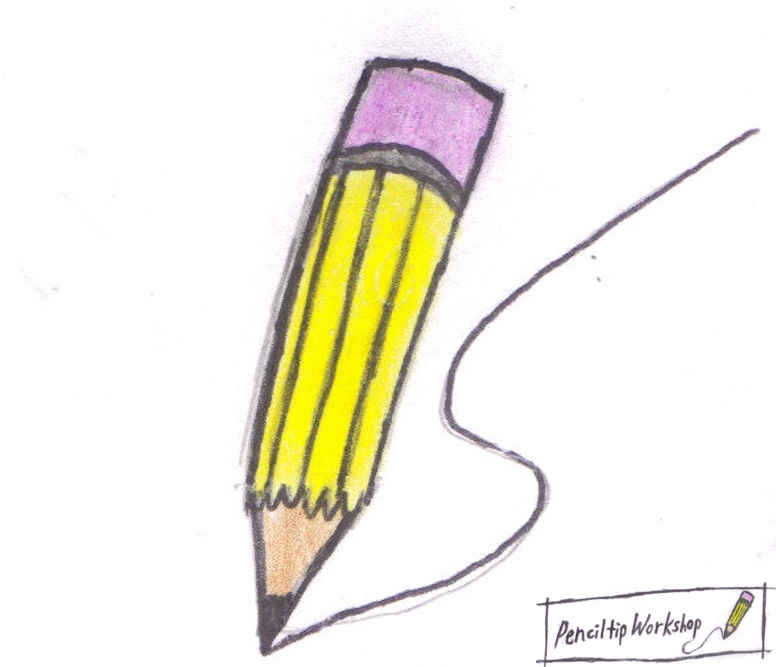
Hatching and cross-hatching are elementary drawing methods used to convey quantity, texture, and worth in quite a lot of artwork varieties. Whether or not you are drawing portraits, landscapes, or still-life compositions, mastering hatching and cross-hatching is crucial for attaining professional-looking art work. By studying easy methods to management the path, strain, and pace of your hatching, you’ll create visually interesting and fascinating drawings that seize the subtleties of sunshine and shadow.
Fundamentals of Hatching
Hatching entails creating parallel strains that observe the contours of a topic. The strains might be evenly spaced or diverse in density to point delicate adjustments in worth. The path of the strains also can convey totally different textures, such because the smoothness of a floor or the roughness of a bumpy texture. To realize easy and even hatching, it is important to take care of constant line width and strain. You possibly can obtain this by:
- Straightening the pencil on a ruler or in opposition to a agency floor to forestall tilting.
- Utilizing a gentle hand and making easy, flowing motions.
- Practising hatching with totally different grades of pencils to realize various levels of hardness and softness.
- Experimenting with totally different line weights and textures to realize the specified visible impact.
Methods Utilized in Hatching and Cross-Hatching
Hatching and cross-hatching are sometimes used together with one another to realize a variety of textures and values. For instance:
- Primary Hatching: creating parallel strains that observe the contours of a topic.
- Layered Hatching: increase layers of hatching to create easy, graded transitions between values.
- Stippling: creating detailed, high-contrast photos utilizing small dots.
- Cross-Hatching: layering hatching strains at totally different angles to create a extra textured, detailed look.
These methods can be utilized to create a variety of inventive results, from delicate, delicate portraits to daring, graphic illustrations.
Bear in mind, apply makes excellent. Experiment with totally different hatching methods to develop your abilities and discover those that work greatest for you.
Experimenting with Combined Media and Pencils
In relation to creating distinctive and fascinating artwork items, mixing media with pencils is an effective way to unlock new potentialities. By incorporating totally different supplies, similar to paint, ink, and even digital artwork parts, artists can obtain recent textures, colours, and results that may be difficult to realize with pencils alone. On this part, we’ll delve into the world of combined media and pencils, exploring the methods through which artists mix these mediums to create beautiful artworks.
Understanding Combined Media in Pencil Artwork
Combined media is a creative strategy that mixes totally different supplies and methods to create a single piece of artwork. Within the context of pencil artwork, combined media can check with the mixing of pencils with different mediums, similar to paint, ink, or paper. This strategy permits artists to push the boundaries of pencil artwork and discover new artistic potentialities. By combining totally different supplies, artists can create intricate textures, complicated colours, and dynamic visuals that add depth and curiosity to their work.
Integrating Paint with Pencils
One widespread solution to incorporate combined media into pencil artwork is by utilizing paint. Acrylic or oil paints might be blended with pencils to create wealthy, layered colours and textures. This system entails making use of paint to a floor, permitting it to dry, after which layering pencil marks on prime. The result’s a singular fusion of paint and pencil that may add visible curiosity and complexity to a chunk.
- Paper texture: By making use of paint to a floor, artists can create distinctive paper textures that may be enhanced with pencil marks.
- Shade mixing: Combining paint and pencil permits for easy colour transitions and wealthy, layered colours.
- Texture creation: Paint can be utilized to create intricate textures that may be enhanced or altered with pencil marks.
Working with Ink and Pencils
Ink is one other medium that may be mixed with pencils to create putting, high-contrast artwork items. By layering ink with pencil marks, artists can create intricate, detailed drawings with a way of dynamic vitality. This system entails making use of ink to a floor utilizing quite a lot of instruments, similar to brushes or pens, after which layering pencil marks on prime.
- Ink strains: Ink can be utilized to create daring, expressive strains that may be enhanced or altered with pencil marks.
- Distinction creation: The mixture of ink and pencil permits artists to create high-contrast, dynamic artwork items with a way of vitality and motion.
Examples of Artists Who Have Efficiently Mixed Pencils with Combined Media, How to attract a pencil
There are numerous proficient artists who’ve pushed the boundaries of pencil artwork by incorporating combined media into their work. Some notable examples embody:
- Julie Fei Fan Belluq: Recognized for her intricate, layered drawings that mix pencil marks with paint and ink.
- Ted Deck: A famend artist who has experimented with combining pencil artwork with digital parts and collage.
- Eric Fan: A proficient illustrator who has used pencils together with paint, ink, and lower paper to create beautiful, textured artwork items.
Suggestions for Experimenting with Combined Media and Pencils
For those who’re eager about experimenting with combined media and pencils, listed below are a couple of suggestions to bear in mind:
- Begin easy: Start by combining pencils with a single medium, similar to paint or ink, and steadily experiment with extra complicated mixtures.
- Experiment with totally different instruments: Use quite a lot of instruments, similar to brushes, pens, and even home items, to create distinctive textures and results.
- Do not be afraid to attempt new issues: Combined media is all about experimentation, so do not be afraid to attempt uncommon mixtures and methods.
Creating Expressive Traces and Gestures with a Pencil
Expressive strains and gestures are important parts in drawing, as they’ll convey emotion, motion, and vitality in a chunk of artwork. The standard of strains and gestures can evoke totally different emotions and moods within the viewer, making them a strong device for artists. By mastering expressive strains and gestures, artists can create extra participating, dynamic, and emotionally charged artworks.
The Significance of Line High quality
Line high quality refers back to the manner strains are drawn, considering components similar to their thickness, texture, and continuity. Totally different line qualities can be utilized to convey numerous feelings and moods, from delicate and delicate to daring and dynamic. As an example, a skinny, hasty line may recommend motion and vitality, whereas a thick, deliberate line may convey confidence and authority.
Methods for Creating Expressive Traces
Listed here are some methods for creating expressive strains utilizing totally different pencil strokes and strain:
- Various Line Weight: By utilizing totally different line weights, artists can create a variety of feelings and moods. For instance, a thick line may convey confidence, whereas a skinny line may recommend vulnerability.
- Altering Line Path: Artists can create dynamic, expressive strains by altering their path and circulate. As an example, a line that curves and twists may recommend motion and vitality, whereas a line that flows easily may convey a way of calmness.
- Utilizing Totally different Pencil Strokes: Totally different pencil strokes, similar to hatching, cross-hatching, and stippling, can create a variety of textures and results. For instance, hatching can create a delicate, layered look, whereas stippling can create a daring, graphic impact.
Conveying Motion and Vitality by way of Gestures
Gestures are actions of the hand or arm that can be utilized to convey vitality, motion, and emotion in a chunk of artwork. By utilizing dynamic gestures, artists can create a way of pressure, motion, or drama of their work. As an example, a sweeping gesture may convey a way of motion and vitality, whereas a small, tentative gesture may recommend uncertainty or doubt.
Examples of Expressive Traces and Gestures in Artwork
Expressive strains and gestures might be seen in lots of well-known artworks, together with these by Egon Schiele, Alberto Giacometti, and Frida Kahlo. These artists used expressive strains and gestures to convey emotion, motion, and vitality of their work, creating a way of drama, pressure, or intimacy of their work and drawings.
“The expressive line is the thread that weaves collectively the disparate parts of a composition, creating a way of unity and coherence.”
Final Level
The method of drawing a pencil entails mastering numerous methods, together with hatching and cross-hatching, including texture and patterns, and experimenting with combined media. By incorporating these parts, artists can create distinctive and expressive artwork items that captivate their viewers.
Key Questions Answered: How To Draw A Pencil
What are the advantages of hatching and cross-hatching?
Hatching and cross-hatching methods create a variety of values and textures, including depth and curiosity to drawings. These methods will also be used to convey emotion and temper in artwork.
How do I select the appropriate pencil for my drawing wants?
When deciding on a pencil, contemplate the kind of artwork you can be creating, the specified degree of element, and the floor you can be drawing on. Totally different pencil hardness ranges and kinds provide distinctive traits that go well with numerous inventive functions.
Can I take advantage of mechanical pencils for drawing?
Sure, mechanical pencils can be utilized for drawing, providing a variety of advantages, together with precision, consistency, and a variety of line widths. Nevertheless, some artists could choose conventional graphite pencils for sure inventive functions.
How can I add texture and patterns to my drawings?
So as to add texture and patterns, experiment with totally different pencil strokes, strain, and actions. You can even use different supplies, similar to ink or paint, to include extra texture and curiosity into your artwork items.

