Delving into the right way to pronounce cannes french, this introduction immerses readers in a novel and compelling narrative that highlights the complexities of French pronunciation. The French language has a wealthy historical past, formed by centuries of cultural trade, immigration, and commerce, which has resulted in varied regional dialects, together with the Provençal dialect spoken in Cannes.
Town of Cannes, positioned on the French Riviera, has a definite pronunciation that differs from commonplace French. The Provençal dialect is characterised by a novel mix of French, Italian, and Arabic influences, which is mirrored in the best way locals pronounce sure phrases and expressions.
Unraveling the Mystique of the French Pronunciation in Cannes: A Historic Context
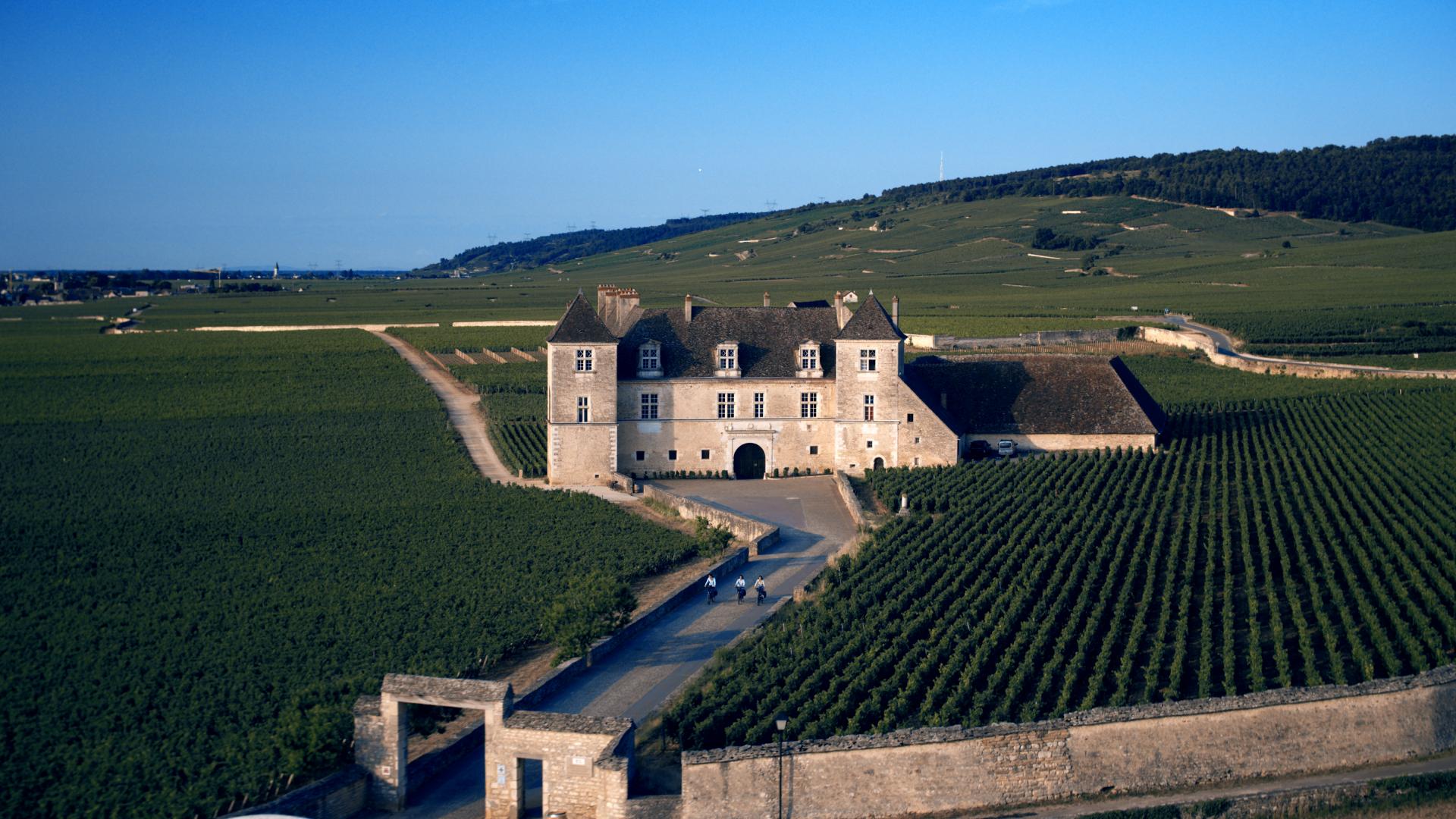
From its origins as a humble fishing village to its present standing as one of many world’s most glamorous locations, town of Cannes has undergone a profound transformation that has left an indelible mark on its linguistic heritage. Located within the Provence-Alpes-Côte d’Azur area of southeastern France, Cannes has been a crossroads of cultures and languages for hundreds of years, with its distinctive mix of French, Provençal, and Italian influences shaping the distinctive pronunciation that also defines town right now.
The Evolution of the French Language in Cannes, Tips on how to pronounce cannes french
The French language has been spoken in Cannes for over 1,500 years, with the earliest recorded proof of the language courting again to the Roman Empire. Over the centuries, the language has developed considerably, with the affect of successive waves of immigration, commerce, and cultural trade contributing to its distinctive taste. For example, the Provençal language, a language carefully associated to French, has been an integral a part of the area’s linguistic heritage, with audio system of the dialect outnumbering audio system of normal French within the sixteenth century.
The Influence of Immigration and Commerce
Cannes’ strategic location as a port metropolis has made it a vital hub for worldwide commerce, with retailers from Italy, Spain, and different Mediterranean nations settling within the space over the centuries. This inflow of latest cultures and languages has contributed considerably to town’s linguistic range, with many phrases and phrases borrowed from these languages nonetheless in use right now. For instance, the Provençal dialect has borrowed phrases from Italian, akin to “pani” (bread) and “vin” (wine), reflecting the significance of commerce and commerce in shaping town’s linguistic heritage.
The Function of Cultural Change
Town’s cultural trade packages, significantly through the nineteenth and twentieth centuries, have additionally performed a major function in shaping the French pronunciation in Cannes. Town’s worldwide status as a hub for the movie business, literature, and artwork has attracted many intellectuals and artists from around the globe, contributing to a various pool of languages and dialects spoken within the metropolis. For instance, the Cannes Movie Pageant, based in 1946, has grow to be a platform for the promotion of French cinema worldwide, with many movies that includes actors talking within the distinctive Cannes accent.
A Glimpse into the Provençal Affect
The Provençal language, often known as Occitan, has a definite grammar and pronunciation that units it other than commonplace French. For example, the Provençal language makes use of the “u” as a definite sound, pronounced virtually like a “woo” in English, whereas commonplace French makes use of a extra closed “u” sound. Equally, the Provençal dialect has a definite approach of announcing vowels, with a extra relaxed pronunciation of “e” and “o” sounds, giving the language a sing-song high quality.
Dialectic Variations in Cannes
Whereas commonplace French is broadly spoken in Cannes, town’s dialectic variations replicate the varied cultural influences which have formed the realm over the centuries. For example, the Cannes dialect has a definite approach of announcing vowels, with a extra rolled “r” and a extra pronounced “e” sound. Equally, the usage of regional expressions and idioms is widespread in Cannes, including to town’s distinctive linguistic taste.
A Language in Evolution
The French language in Cannes continues to evolve, with town’s worldwide status and cultural trade packages contributing to its linguistic range. The growing presence of worldwide firms and expatriates has led to a development in English-speaking populations within the space, with many residents talking English as a second language. Regardless of this, the distinctive French pronunciation of Cannes stays a vital a part of town’s identification, reflecting its distinctive historical past, tradition, and geographical location.
Delving into the Artwork of Pronunciation in Cannes
As you delve into the fascinating world of French language in Cannes, you may uncover that pronunciation is a vital side of mastering this lovely language. French has two most important types of pronunciation: Commonplace French and Provençal, which is spoken within the picturesque metropolis of Cannes. Understanding the delicate variations between these two varieties is essential to efficient communication.
The sound and intonation of French phrases can range considerably between Commonplace French and Provençal dialects. For example, the pronunciation of the “u” sound could be pronounced as a “w” sound in Provençal, whereas in Commonplace French, it retains its traditional “you” sound. Furthermore, the diphthongs (a mix of two vowel sounds pronounced in a single syllable) and consonant sounds are additionally distinct between the 2 types of French spoken in Cannes.
Variations in Vowel Pronunciation
| French Phrase | Commonplace French Pronunciation | Provençal (Cannes) Pronunciation |
|---|---|---|
| tu | Too | Twuh |
| lune | Loon | Lavatory-nuh |
| boue | Bohw | Bo-wh |
| feu | foy |
These variations make it important to know the distinct pronunciation of every French selection, particularly in Cannes, the place Provençal is an integral a part of the native tradition.
Variations in Consonant Sounds
In Provençal, voiced consonants are sometimes pronounced extra softly than in Commonplace French. For instance, the “z” in Provençal sounds extra like a tender “th,” whereas in Commonplace French, it retains its crisp “z” sound.
- The “z” sound is pronounced as a tender “th” in Provençal.
- The “s” sound is pronounced extra forcefully in Commonplace French.
Variations in Diphthongs
Diphthongs are a vital a part of French language. They’ll range considerably between Commonplace French and Provençal. For instance, the diphthong “ou” is pronounced with a softer glide in Provençal in comparison with Commonplace French.
| Diphthong | Commonplace French Pronunciation | Provençal (Cannes) Pronunciation |
|---|---|---|
| ou | oo | o-h |
| eau | oh | o |
Sound Shifts in Provençal
Provençal has undergone a number of sound shifts in comparison with Commonplace French. For example, the sound shift of /kw/ to /okay/ in Provençal.
- The sound /kw/ modified to /okay/ in Provençal.
- The sound /t/ modified to /d/ in some phrases in Provençal.
Capturing the Essence of Cannes French
Pronunciation in Cannes could also be distinctive, however what actually units aside the language spoken on this charming French city is its wealthy cultural heritage, encapsulated in varied on a regular basis phrases and expressions. Using Provençal dialect isn’t merely a attribute of the native language; it represents a thread that weaves the group collectively, fostering a way of belonging and identification.
Phrases and Expressions
Provençal dialect is deeply ingrained in Cannes’ tradition, with quite a few attribute phrases and expressions which can be a supply of satisfaction among the many locals. These phrases and phrases transcend the boundaries of formal communication, weaving their approach into on a regular basis conversations in eating places, cafes, and native markets.
Slang and Colloquialisms
A stroll via the streets of Cannes reveals a linguistic tapestry wealthy with regional slang and colloquialisms that set the tone for on a regular basis conversations. Phrases and phrases akin to “C’est trop beau” (it is too lovely) or “Aïe, la météo!” (oh no, the climate!) will not be merely expressions; they’re a manifestation of the locals’ distinctive connection to their metropolis and its historical past.
Céline: “C’est trop beau, le soleil est splendide aujourd’hui!” (It is attractive, the solar is so lovely right now!)
Marie: “Oui, c’est le week-end des festivals ici. Le ciel est parfait pour les événements de plein air!” (Sure, it is the weekend of festivals right here. The sky is ideal for out of doors occasions!)
Charles: “Aïe, la météo! Il va pleuvoir bientôt. Prends une pluie, Marie, elle nous suivra tout le week-end!” (Oh no, the climate! It is going to rain quickly. Take an umbrella, Marie, it’ll observe us for the entire weekend!)
Céline: “Pas grave, on a ça à l’ombre ici. On va aller au café puisque c’est sous abri. Qu’est-ce que tu veux boire, Marie?” (No huge deal, we now have shade right here. We will the cafe because it’s underneath a cover. What do you need to drink, Marie?)
Marie: “Je voudrais du café bien sûr, mais Charles veut un jus de fruits. Quel couleur préfères-tu, Charles?” (I desire a espresso, after all, however Charles desires a fruit juice. Which colour do you favor, Charles?)
Charles: “Moi, je suis plus dans les fruits exotiques, donc un joli pastel m’ira bien!” (I favor unique fruits, so a fairly pastel would go well with me effective!)
Exploring Regional Variations inside Cannes French
When venturing into the charming city of Cannes, one is straight away immersed in a various tapestry of regional variations, every woven into the material of the native dialect. This phenomenon isn’t distinctive to Cannes, as many languages and dialects are characterised by regional variations in pronunciation, accent, and intonation.
Regional variations inside Cannes French are a results of the city’s wealthy cultural heritage, formed by its geographical location, historic influences, and social dynamics. To realize a deeper understanding of those variations, one should discover the distinct traits of every area, together with the port, the outdated city, and the outskirts.
Distinguishing Options of Totally different Areas
- The port space, identified for its cosmopolitan vibe, is dwelling to a particular pronunciation type. Locals on this area are inclined to pronounce sure phrases with a extra nasal intonation, akin to
“la” turning into “lah”
, which displays the realm’s proximity to the ocean and its lengthy historical past of worldwide commerce.
- The outdated city, with its slender cobblestone streets and charming historic structure, boasts a extra rustic and conventional pronunciation type. Residents on this area usually pronounce phrases with a stronger emphasis on the ultimate syllable, akin to
“maison” turning into “mah-soh”
, giving the native French a novel, earthy really feel.
- The outskirts of Cannes, comprising a mixture of residential areas and fashionable developments, reveals a extra diversified and nuanced pronunciation type. This area is dwelling to a various inhabitants, with people from totally different social courses and age teams contributing to the native dialect.
- A comparative evaluation of social courses and age teams reveals distinct variations in pronunciation and accent. Younger locals, influenced by fashionable media and expertise, have a tendency to make use of extra modern pronunciation types, whereas older generations favor conventional pronunciation strategies. Social class additionally performs a major function, with wealthier residents usually adopting extra formal pronunciation types and people from lower-income backgrounds utilizing extra colloquial expressions.
Regional Maps and Pronunciation Traits
Regional variations inside Cannes French could be visualized utilizing a map that highlights the distinct traits of every space. This map would characteristic totally different colours or symbols for every area, indicating the distinctive pronunciation options and accent patterns related to every locality.
| Area | Pronunciation Traits |
| Port space | Nasal intonation,
|
| Outdated city | Rustic and conventional pronunciation,
|
| Outskirts | Various and nuanced pronunciation, reflecting various social courses and age teams |
Key Components Influencing Regional Variations
- Geographical location: The city’s proximity to the ocean and its historical past of worldwide commerce have formed the port space’s pronunciation type.
- Historic influences: The outdated city’s conventional pronunciation type displays its historic structure and the area’s cultural heritage.
- Socioeconomic components: Social class and age group have a major affect on pronunciation and accent within the outskirts of Cannes, with wealthier residents adopting extra formal types and youthful generations utilizing extra modern strategies.
Closing Abstract: How To Pronounce Cannes French
The important thing to mastering the pronunciation of Cannes French lies in understanding the historic context, sounds, and intonation of the dialect. By listening to and imitating genuine native audio system, and training appropriate pronunciation strategies, learners can enhance their expertise and confidently talk with locals.
Questions and Solutions
What’s the supply of the Provençal dialect in Cannes?
The Provençal dialect in Cannes originated from the area’s historical past of cultural trade, immigration, and commerce, which has resulted in a novel mix of French, Italian, and Arabic influences.
Are there any key variations in pronunciation between Cannes French and commonplace French?
Sure, Cannes French has distinct variations in vowel pronunciation, diphthongs, and consonant sounds in comparison with commonplace French.
How can I enhance my pronunciation of Cannes French?
Take heed to and imitate genuine native audio system, follow appropriate pronunciation strategies, and deal with the distinctive sounds and intonation of the dialect.

