The way to Thread a Stitching Machine merely explains the basics of threading your stitching machine for clean and dependable efficiency. It entails understanding the significance of threading, getting ready the machine, threading manually, and utilizing the automated system successfully. This complete information covers important matters corresponding to troubleshooting frequent points and sustaining threading effectivity to make sure high-quality outcomes.
Correct threading is the spine of any stitching mission, and it might prevent from a tangled, irritating mess sooner or later. When threaded accurately, your machine will reward you with high-quality stitches and precision accuracy, permitting you to take your stitching expertise to the following degree.
Understanding the Fundamentals of Threading a Stitching Machine: How To Thread A Stitching Machine
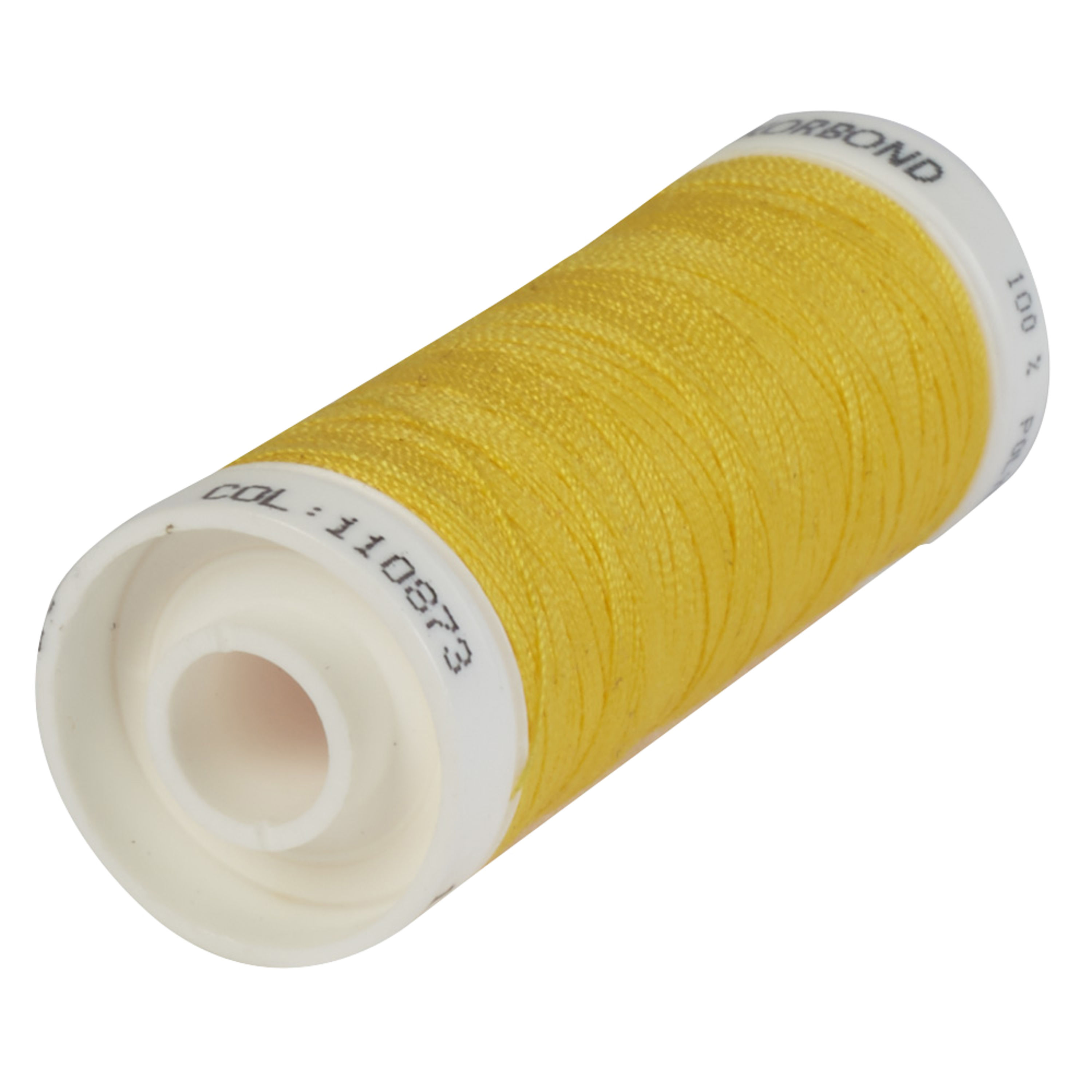
Threading a stitching machine is an important step in garment development, house decor, and craft initiatives. Correct threading ensures that the stitching machine operates effectively and produces high-quality stitches, that are essential for the sturdiness and look of the ultimate product. Incorrect threading can result in subpar stitches, thread breakage, and potential harm to the machine.
Variations between Handbook and Computerized Threading Programs
There are two major varieties of threading techniques present in trendy stitching machines: handbook and computerized. Every kind has its personal set of benefits and drawbacks, that are mentioned under.
Handbook Threading Programs:
Handbook threading techniques require the person to string the machine by hand, guiding the thread by means of the varied guides and stress disks. This method is often present in older stitching machines and is usually most popular by skilled sewists on account of its tactile management over the threading course of. Nonetheless, handbook threading will be time-consuming and should result in thread tangles and knots if not performed accurately.
Computerized Threading Programs:
Computerized threading techniques make the most of a mechanical or digital mechanism to information the thread by means of the machine’s guides and stress disks. This method is often present in newer stitching machines and is usually most popular by newbies on account of its ease of use and pace. Nonetheless, computerized threading will be affected by the standard of the thread and should require occasional handbook changes to make sure correct stress.
Significance of Correct Threading Methods
Correct threading strategies are essential for reaching high-quality stitches and stopping harm to the stitching machine. Listed below are some key factors to think about:
- All the time discuss with the stitching machine’s person handbook for particular threading directions.
- Use high-quality threads which can be designed for the precise kind of cloth being sewn.
- Thread the machine in a well-lit space to keep away from miss-threading the guides and stress disks.
- Use a constant tensioning methodology to keep away from uneven stitches and thread breakage.
- Usually keep and clear the threading system to stop tangles and knots.
Widespread Threading Errors and Options
A number of frequent threading errors can happen, together with:
- Miss-threading the guides and stress disks, leading to uneven stitches and thread breakage.
- Utilizing low-quality threads which can be liable to tangling and knotting.
- Making use of inconsistent tensioning, resulting in uneven stitches and thread breakage.
- Not often sustaining and cleansing the threading system, leading to tangles and knots.
To keep away from these errors, comply with the producer’s directions for threading the machine, use high-quality threads, and keep a constant tensioning methodology.
Thread Rigidity and Its Impact on Stitches
Thread stress performs a essential function in figuring out the standard of stitches produced by the stitching machine. Listed below are some key factors to think about:
- Tight thread stress can lead to puckered or distorted stitches, whereas unfastened thread stress can result in unfastened or uneven stitches.
- Correct thread stress is important for reaching constant stitches and stopping thread breakage.
- The best thread stress could fluctuate relying on the kind of cloth being sewn and the precise stitches getting used.
Making ready the Machine for Threading
Threading a stitching machine requires cautious preparation to make sure clean and environment friendly operation. This step entails finding the spool pins and releasing the stress discs for handbook threading, in addition to setting the material information for computerized threading.
Finding the Spool Pins and Releasing Rigidity Discs
———————————————–
The spool pins are normally positioned on the prime of the stitching machine, they usually maintain the thread spools in place. To entry the stress discs, you have to launch the stress discs for handbook threading. That is normally performed by urgent a button or turning a dial, relying on the kind of stitching machine you might have.
Releasing Rigidity Discs for Handbook Threading
To launch the stress discs, comply with these steps:
1. Find the stress discs: They’re normally positioned close to the spool pins and are marked with a small arrow indicating the route of the thread.
2. Press the discharge button: Press the button to launch the stress discs. It will will let you thread the machine manually.
3. Flip the dial (if relevant): In case your machine has a dial as an alternative of a button, flip it counterclockwise to launch the stress discs.
Setting the Cloth Information for Computerized Threading, The way to thread a stitching machine
The material information is used to direct the thread beneath the presser foot for computerized threading. To set the material information, comply with these steps:
1. Find the material information: It’s normally positioned on the machine’s mattress or close to the presser foot.
2. Modify the information: Transfer the material information to align it with the sting of the presser foot.
3. Set the thread path: Information the thread beneath the presser foot and thru the information.
4. Check the thread path: Run a couple of stitches to check the thread path and guarantee it’s clean and even.
Threading the Machine Manually
Threading a stitching machine manually requires consideration to element and a transparent understanding of the machine’s mechanics. Earlier than continuing, be certain that the machine is correctly ready and the thread stress is about accurately.
Continuing with Handbook Threading
For handbook threading, find the take-up lever or spool pin, which is normally positioned on the highest of the machine. The take-up lever or spool pin serves because the entry level for the thread. There are two frequent strategies for handbook threading, relying on the kind of stitching machine getting used: right-hand stitching and left-hand stitching.
html-table>
| Making | Thread Orientation |
|---|---|
| Proper Hand Stitching | Thread enters the machine from the best, exits from the left |
| Left Hand Stitching | Thread enters the machine from the left, exits from the best |
Threading Path Comparability
It’s important to grasp the threading path of your stitching machine to make sure correct and environment friendly operation. Whereas the threading paths could fluctuate relying on the producer and mannequin of the machine, the variations primarily concern the entry and exit factors of the thread.
For right-hand stitching machines, the thread enters from the best and exits from the left. In distinction, left-hand stitching machines have the thread coming into from the left and exiting from the best. This distinction is essential when working the machine to keep away from tangling and guarantee optimum efficiency.
Threading Sequence
To manually thread a stitching machine, comply with these common steps:
- Find the take-up lever or spool pin on the highest of the machine
- Pull the take-up lever or spool pin to create a loop
- Thread the machine by means of the loop with the thread
- Information the thread below the stress spring and over the take-up lever or spool pin
- Pull the thread gently to make sure the thread is seated correctly
- Test the thread stress utilizing a thread information or ruler
It’s important to comply with the producer’s directions for particular threading procedures and keep a clear and arranged workspace to keep away from errors and scale back frustration.
Troubleshooting Widespread Threading Points
Troubleshooting frequent threading points is an important step in making certain clean operation of your stitching machine. If not addressed promptly, these points can result in irritating delays, wasted thread, and doubtlessly harm to the machine itself. On this part, we are going to cowl a few of the commonest issues that happen throughout handbook threading and supply step-by-step options to resolve them.
Threading Issues and Options
When manually threading a stitching machine, it isn’t unusual to come across points corresponding to tangled thread or uneven thread stress. These issues will be significantly vexing, however concern not, for we’ve got some easy options to share.
html-blockquote>
Tangled thread generally is a irritating subject when manually threading a stitching machine.
Uneven thread stress, alternatively, can result in unfastened or puckered stitches.
To sort out tangled thread, comply with these easy steps:
Find the tangled thread and gently pull it to take away any tangles or knots.
As soon as the thread is free from tangles, thread it by means of the machine’s stress discs.
Test that the thread is seated correctly within the machine’s take-up lever and the bobbin case.
html-blockquote>
Guaranteeing the thread is seated correctly within the machine’s take-up lever and the bobbin case resolves the difficulty.
Keep away from making use of extreme drive whereas threading the machine, as this may result in thread tangling.
To handle uneven thread stress, strive the next steps:
Test the machine’s stress dials and guarantee they’re set to the beneficial ranges.
Modify the stress dials as wanted to realize even thread stress.
Run a couple of check stitches to make sure the thread stress is constant.
html-blockquote>
Correctly adjusting the machine’s stress dials resolves uneven thread stress.
Keep away from over-tightening the thread, as this may result in uneven stitches.
By following these easy troubleshooting steps, you must be capable to resolve any threading points that come up throughout handbook threading. Bear in mind to at all times test the machine’s stress dials and thread stress to make sure clean operation.
Sustaining Threading Effectivity
Sustaining the threading effectivity of a stitching machine is essential for reaching high-quality stitches and minimizing thread breakage. Common cleansing and lubrication of the threading system are important duties that must be carried out regularly to make sure optimum efficiency of the machine.
Cleansing the Threading System
Cleansing the threading system entails eradicating any lint, mud, or particles which will have collected contained in the machine. This may be achieved by following these steps:
- Flip off the stitching machine and unplug it from the facility supply.
- Find the threading system, which generally consists of a sequence of small gears and guides.
- Use a small brush or a cotton swab to softly take away any particles or lint from the threading system.
- Use a smooth fabric to wipe down the threading system and take away any remaining mud or particles.
It’s important to scrub the threading system often to stop the buildup of particles, which might trigger thread breakage and uneven stitching.
Lubricating the Threading System
Lubricating the threading system entails making use of a small quantity of oil or lubricant to the transferring components to scale back friction and forestall put on and tear. This may be achieved by following these steps:
- Find the lubrication factors, which generally include small holes or ports on the machine’s gear field or spool pin.
- Apply a small quantity of oil or lubricant to the lubrication factors utilizing a dropper or a small brush.
- Wipe away any extra oil or lubricant utilizing a smooth fabric.
It’s important to lubricate the threading system often to stop put on and tear on the machine’s transferring components and guarantee clean operation.
Adjusting Thread Rigidity and Information Settings
Adjusting thread stress and information settings entails fine-tuning the machine’s thread stress and information settings to realize exact stitching and reduce thread breakage. This may be achieved by following these steps:
- Begin by checking the machine’s thread stress, which will be adjusted utilizing the thread stress dial or lever.
- Test the machine’s information settings, which will be adjusted utilizing the information settings dial or lever.
- Experiment with totally different thread stress and information settings to realize the specified stitching high quality.
It’s important to regulate thread stress and information settings fastidiously to stop over-tightening or under-tightening, which might trigger thread breakage or uneven stitching.
Penalties of Neglecting Common Upkeep
Neglecting common upkeep of the threading system can result in a variety of issues, together with thread breakage, uneven stitching, and machine downtime. Common cleansing and lubrication of the threading system can assist stop these issues and guarantee optimum efficiency of the machine.
Last Wrap-Up
By incorporating these steps and expertly troubleshooting frequent points, you may turn into a seasoned professional in sustaining your machine and reaching distinctive outcomes. Follow makes good, so it is important to comply with the directions fastidiously and keep common cleansing and lubrication to make sure optimum efficiency. Do not be afraid to experiment and take a look at new strategies – the tip consequence might be value it.
FAQ Nook
What are the most typical errors when threading a stitching machine?
Leaving the thread unfastened, incorrect thread orientation, and never tightening the stress adequate are some frequent errors to look out for.

