Kicking off with tips on how to make beef broth, this text goals to supply a complete information on crafting the last word beef broth that can elevate your cooking to the following degree. From deciding on the appropriate cuts of meat to storing and refrigerating your completed product, we’ll cowl each step to make the proper beef broth.
Beef broth is a staple in lots of cuisines and serves as the inspiration for varied dishes equivalent to meat-based soups, stews, and sauces. By following the Artikeld steps, you’ll create a wealthy and flavorful broth that can add depth and complexity to your recipes.
Understanding the Significance of Beef Broth in Cooking
Beef broth is the unsung hero of the culinary world. It is the inspiration upon which many a dish is constructed, a flavorful canvas ready for the brushstrokes of creativeness. Within the realm of meat-based soups, stews, and sauces, beef broth is the glue that holds all the things collectively. With out it, a dish could be nothing greater than a flavorless, textureless mess.
Nutrient-Wealthy Basis
Beef broth is a nutrient-rich liquid that serves as a constructing block for a variety of dishes. It is a powerhouse of protein, collagen, and different important vitamins that add depth and complexity to any recipe. Whether or not you are making a hearty beef stew, a comforting bowl of beef noodle soup, or a savory beef gravy, beef broth is the important thing to unlocking the total taste potential of your dish.
Comparability of Retailer-Purchased and Do-it-yourself Beef Broth
Relating to beef broth, there are two camps: store-bought and do-it-yourself. Whereas store-bought broth will be handy, it typically comes with a value: preservatives and added sodium. A single serving of store-bought beef broth can include upwards of 1,000mg of sodium, making it a salt bomb simply ready to blow your eating regimen to smithereens. In distinction, do-it-yourself beef broth is made with love and care, utilizing solely the best elements and no added preservatives. This implies you may management the quantity of sodium that goes into your broth, making it a a lot more healthy different.
As a basic guideline, do-it-yourself beef broth comprises round 200-300mg of sodium per serving, making it a way more palatable choice for these watching their salt consumption.
Relating to preservatives, store-bought broth is commonly full of synthetic components designed to increase the shelf life and improve taste. These preservatives will be detrimental to your well being, inflicting a spread of points from digestive issues to allergic reactions. Do-it-yourself beef broth, then again, is created from scratch, utilizing solely pure elements and no synthetic preservatives. This implies you may take pleasure in your beef broth with out worrying in regards to the adverse affect of preservatives in your well being.
The Dietary Content material of Retailer-Purchased and Do-it-yourself Beef Broth
So, what is the dietary content material of those two forms of beef broth? Check out the desk beneath for a comparability of the 2:
| Nutrient | Retailer-Purchased Beef Broth (1 cup) | Do-it-yourself Beef Broth (1 cup) |
| — | — | — |
| Sodium | 1,000mg | 200-300mg |
| Protein | 3g | 5g |
| Collagen | 5g | 10g |
| Added Preservatives | Sure | No |
As you may see, do-it-yourself beef broth is the clear winner relating to dietary content material. With extra protein, collagen, and fewer sodium, do-it-yourself beef broth is the more healthy selection for these trying to increase their nutrient consumption.
The Advantages of Do-it-yourself Beef Broth
So, why go to the difficulty of constructing do-it-yourself beef broth when store-bought is so handy? The advantages are clear:
* Extra management over sodium content material
* No synthetic preservatives
* Larger dietary content material
* Customizable taste profile
* Value-effective in the long term
Making do-it-yourself beef broth might require a bit extra effort, however the rewards are effectively value it. With a deeper taste profile, increased dietary content material, and no synthetic preservatives, do-it-yourself beef broth is the clear winner on the earth of cooking.
Choosing the Proper Cuts of Meat for Beef Broth
Relating to making a scrumptious beef broth, the selection of cuts of meat could make all of the distinction. The secret is to pick out cuts which can be wealthy in connective tissue, which turns into gelatinous when cooked and provides physique to the broth. That is the place the common-or-garden, typically missed, cuts come into play. On this part, we’ll delve into the best cuts of beef for making broth and discover their traits, origins, costs, and typical makes use of in recipes.
The Significance of Connective Tissue in Beef Cuts
Connective tissue, together with collagen, cartilage, and tendons, is the spine of a wealthy, satisfying beef broth. It is what provides the broth its depth, complexity, and velvety texture. When cooked low and gradual, connective tissue breaks down, releasing its gelatinous goodness into the broth. That is why selecting cuts with excessive connective tissue content material is essential for making a scrumptious broth.
Really useful Beef Cuts for Beef Broth
Listed below are a few of the finest beef cuts for making beef broth, together with their traits, origins, costs, and typical makes use of in recipes:
- Chuck Roast: A traditional selection for beef broth, chuck roast is wealthy in connective tissue and has a strong beefy taste. ($3-$5 per pound)
- Brief Ribs: One other common selection for beef broth, quick ribs are fall-off-the-bone tender and filled with collagen. ($4-$6 per pound)
- Beef Neck Bones: Excellent for making a wealthy, deep beef broth, beef neck bones are excessive in collagen and have a novel, barely candy taste. ($2-$3 per pound)
- Shank Bones: With their excessive bone density and connective tissue content material, shank bones make a superb selection for beef broth. ($3-$5 per pound)
- Oxtail: A traditional French reduce, oxtail is wealthy in connective tissue and has a deliciously wealthy, beefy taste. ($5-$7 per pound)
The Position of Marbling in Beef Cuts
Marbling, the intramuscular fats that is dispersed all through the meat, performs a major position within the high quality and taste of beef broth. Whereas it is tempting to decide on leaner cuts, these with excessive marbling content material will finally produce a richer, extra satisfying broth.
Specifically, cuts with seen marbling, equivalent to chuck roast and quick ribs, will yield a extra complicated, beefy taste within the broth. Nonetheless, it is important to notice that extreme marbling can result in a fatty broth, so steadiness is vital.
Value vs. High quality: What You Get for Your Cash
Whereas it is tempting to go for the most affordable beef cuts, keep in mind that high quality comes at a worth. Larger-end cuts, equivalent to oxtail and beef neck bones, could also be pricier, however they will finally yield a extra satisfying, complicated broth.
In distinction, cheaper cuts like chuck roast and quick ribs might require extra prep work, however they’re nonetheless filled with connective tissue and can produce a scrumptious broth when cooked low and gradual.
In regards to the Picture
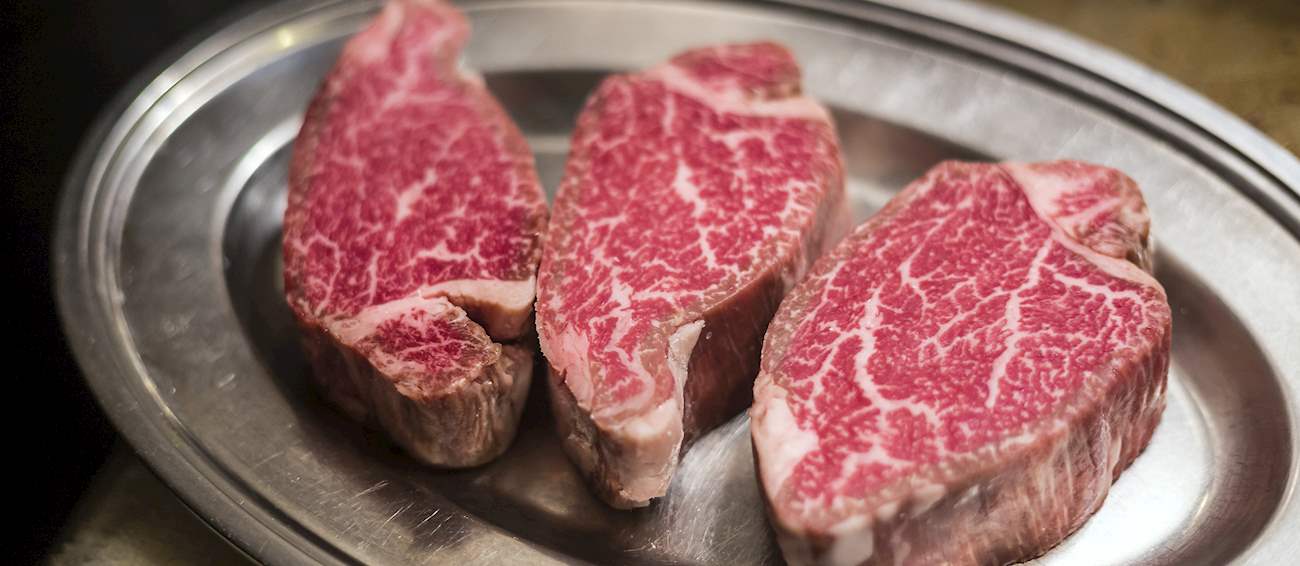
A well-marbled chuck roast, contemporary from the butcher’s counter, awaits your consideration. The wealthy crimson coloration and visual streaks of intramuscular fats point out a reduce that is filled with taste and collagen. It is time to get cooking and unlock the total potential of this humble reduce!
Stockpots, Pots, and Pans for Cooking Beef Broth
Relating to making beef broth, the appropriate cooking vessel is essential. Your chosen pot is not going to solely decide the pace and effectivity of the cooking course of but additionally the standard of your finish product. A subpar pot can result in an inferior broth, whereas a well-suited one will make all of the distinction.
For beef broth, you desire a pot that may distribute warmth evenly, is giant sufficient to carry the required quantity of elements, and has a cushty deal with for straightforward lifting. On this part, we’ll discover the optimum cooking vessels for making beef broth, contemplating components like materials, dimension, and form, together with stockpots, Dutch ovens, and heavy pots.
Optimum Cooking Vessels for Beef Broth
Relating to selecting a pot for beef broth, there are a number of choices to contemplate. Every has its personal strengths and weaknesses, and the appropriate one for you’ll rely in your private preferences and cooking type.
- Stockpots: Stockpots are the gold customary for making beef broth. They’re designed particularly for this function, with a big capability, even warmth distribution, and a cushty deal with. Search for a pot created from heavy-gauge stainless-steel or enameled forged iron, as these supplies retain warmth effectively and are straightforward to scrub.
- Dutch Ovens: Dutch ovens are one other common selection for making beef broth. They’re created from heavy-duty supplies like forged iron or ceramic and are identified for his or her even warmth distribution and retention. Dutch ovens are additionally nice for slow-cooking beef broth, as they can be utilized on the stovetop or within the oven.
- Heavy Pots: Heavy pots are an awesome different to stockpots and Dutch ovens. They’re sometimes created from heavy-gauge stainless-steel or enameled forged iron and are designed for even warmth distribution and retention. Heavy pots are sometimes cheaper than stockpots and Dutch ovens however nonetheless provide glorious efficiency.
Whatever the materials or dimension, a very good pot could have a couple of key options that make it superb for making beef broth. Search for even warmth distribution, a cushty deal with, and a lid that can be utilized for straightforward stirring and skimming.
When selecting a pot for beef broth, keep in mind that even warmth distribution is vital. A pot that heats inconsistently will depart you with a broth that is burnt in some areas and undercooked in others.
Warmth Distribution and Temperature Management
Along with the kind of pot you select, the warmth distribution and temperature management of your cooking floor are additionally essential for making beef broth. The suitable cooking floor will enable you to obtain a superbly cooked broth, whereas a subpar one will depart you with an inferior product.
- Induction Cooktops: Induction cooktops are an awesome selection for making beef broth. They provide exact temperature management and even warmth distribution, making it straightforward to attain a superbly cooked broth. Induction cooktops are additionally energy-efficient and quick, as they will warmth water to a boil shortly.
- Gasoline Cooktops: Gasoline cooktops are one other common selection for making beef broth. They provide exact temperature management and even warmth distribution, making it straightforward to attain a superbly cooked broth. Gasoline cooktops are additionally sooner than electrical cooktops and might obtain excessive temperatures shortly.
- Electrical Cooktops: Electrical cooktops are a good selection for making beef broth, particularly if you happen to’re on a price range. They provide even warmth distribution and might obtain excessive temperatures, however will not be as quick as fuel or induction cooktops.
- Ceramic Cooktops: Ceramic cooktops are an awesome selection for making beef broth, particularly if you need a floor that is straightforward to scrub. They provide even warmth distribution and exact temperature management, making it straightforward to attain a superbly cooked broth.
Relating to warmth distribution and temperature management, the secret is to search out the appropriate steadiness between pace and precision. A cooking floor that heats too shortly might depart you with an undercooked broth, whereas one which heats too slowly might depart you with a broth that is overcooked.
Simmering Instances and Temperatures for Optimum Broth Extraction
Beef broth is a labor of affection, and the simmering course of is the place the magic occurs. It is a delicate dance between warmth, time, and persistence. When performed proper, beef broth is a wealthy, velvety, and completely scrumptious basis for any dish. However, when performed flawed, it is a murky, over-powering mess. So, let’s dive in and discover the ideas of correct simmering for beef broth.
Temperature Ranges for Beef Broth Simmering
The perfect temperature vary for beef broth simmering is between 180°F and 200°F (82°C and 93°C). This mild warmth permits for optimum extraction of flavors and vitamins from the bones and greens. Any increased temperatures can result in the breakdown of proteins and the lack of delicate flavors.
For extra aggressive warmth purposes, you may simmer at increased temperatures (200°F to 212°F or 93°C to 100°C) for shorter durations. Nonetheless, be cautious of over-extracting, which may end up in a weak, skinny broth.
Simmering Instances for Beef Broth Extraction
Simmering time immediately impacts broth power. The longer you simmer, the stronger and extra complicated the broth will change into. Nonetheless, be conscious of over-extraction, which may result in an unbalanced taste profile.
This is a tough information to simmering instances and their corresponding broth strengths:
* Brief simmer (half-hour to 1 hour): Delicate, pale broth with a touch of taste.
* Medium simmer (1-3 hours): Balanced, wealthy broth with reasonable taste depth.
* Lengthy simmer (4-6 hours): Full-bodied, intense broth with deep taste complexity.
* Prolonged simmer (6+ hours): Extremely-strong, concentrated broth excellent for concentrated shares or soups.
As a basic rule of thumb, the longer you simmer, the extra concentrated and flavorful your broth will change into.
* Simmering Time (hours)
+ 0.5 – 1 hour: 100mL beef broth yields 70-100 mL weak broth
+ 1-2 hours: 100mL beef broth yields 60-80 mL reasonable broth
+ 2-3 hours: 100mL beef broth yields 50-60 mL robust broth
+ 4-6 hours: 100mL beef broth yields 30-50 mL very robust broth
* Simmering Temperature (°F)
+ 180-200°F: 100mL beef broth yields 80-100 mL weak broth
+ 200-212°F: 100mL beef broth yields 50-80 mL robust broth
Word: The precise values might differ relying on the sort and focus of the broth, in addition to particular person preferences.
Clarifying and Cooling Beef Broth
Now that your beef broth is cooked, it is time to get it glowing clear! Clarifying and cooling your broth is an important step in stopping bacterial development, decreasing impurities, and giving your remaining dish that skilled sheen. So, let’s dive in and make your broth shine like a well-polished high hat.
Clarifying your broth includes eradicating the impurities that rise to the floor throughout cooking, equivalent to fats, protein, and different solids. Acidity performs a major position on this course of. In case your broth is not acidic sufficient, the impurities will not coagulate and stick collectively, making them more durable to take away. Consider acidity like a magnet, drawing the impurities to the floor and making them simpler to skim off. That is the place elements like tomatoes or wine turn out to be useful – they add a much-needed acidic increase to assist make clear your broth.
Skimming Foam and Impurities
Skimming, or eradicating, foam and impurities from the floor of beef broth is an important step in sustaining its readability and stopping spoilage. To do that, permit the broth to chill barely, making it simpler to tell apart between the clear liquid and the impurities. Use a spoon or skimmer to fastidiously scrape off any seen foam or scum that has risen to the floor. Do not be tempted to stir your broth throughout this course of, as this may reintroduce impurities into the liquid. Repeat this course of till you may’t see any extra foam or scum rising to the floor.
The Significance of Speedy Cooling and Refrigeration
Speedy cooling and refrigeration are important in stopping bacterial development and sustaining broth high quality. Think about your broth as a criminal offense scene – if you happen to do not cool it down and maintain it refrigerated shortly, these little micro organism can get away with an entire lot of hassle. Consider it as a recreation of cat and mouse, the place you should outsmart the micro organism and maintain your broth contemporary and protected for consumption. This is why:
- Micro organism thrive in heat environments, particularly once they have a protein-rich feast, like your beef broth. By cooling the broth quickly, you create an unfavorable surroundings for bacterial development.
- Refrigeration slows down bacterial multiplication, supplying you with a window of time to retailer and revel in your broth with out worrying about it spoiling.
- A cooler broth additionally permits for higher clarification, because the impurities will drop to the underside or stick collectively extra simply, making it simpler to pressure and take away them.
“Inside two hours, refrigerate the broth or cool it to 40°F (4°C) or beneath.”
In conclusion, clarifying and cooling your beef broth is a crucial step in making certain its high quality and security. By understanding the significance of acidity, skimming foam and impurities, and quickly cooling and refrigerating your broth, you may be effectively in your approach to making a wealthy, flavorful broth that is positive to impress even essentially the most discerning palates. Now, go forth and brew these bones – your style buds will thanks!
Storing and Refrigerating Beef Broth for Lengthy-Time period Use
Relating to do-it-yourself beef broth, the appropriate storage and refrigeration methods could make all of the distinction in sustaining its flavorful goodness and stopping spoilage. Correct labeling, storage, and dealing with procedures will be certain that your homegrown broth stays contemporary for so long as potential.
Storing Do-it-yourself Beef Broth
When storing beef broth within the fridge, make sure the container is tightly sealed to stop contamination and moisture from seeping in. Label the jar or container with the date and contents, making it straightforward to establish and take away older batches. Relating to freezer storage, glass containers are the clear winners.
Glass vs Plastic Containers: What is the Finest Alternative?
-
Glass containers are the champions of storage, boasting quite a few advantages when storing and freezing beef broth. Firstly, they’re extremely sturdy and immune to scratches and cracks. This implies they will not harbor micro organism or break down underneath the load of freezing temperatures. Moreover, glass containers will not impart any undesirable flavors to the broth.
-
Then again, plastic containers, whereas handy, have a couple of drawbacks. Firstly, they are often extra susceptible to scratches and harm, offering a possible hiding spot for micro organism. Moreover, some plastics include BPA and different chemical substances that may leach into the broth, affecting its taste and security. In distinction, glass containers are non-reactive and will not compromise the standard of your broth.
-
When it comes to taste retention, glass containers excel as soon as once more. When your broth is saved in a glass container, the fragile flavors and aroma molecules stay locked in, preserving the essence of the broth. Plastic containers, nevertheless, will be extra inclined to taste leakage, decreasing the general high quality of the broth.
-
Lastly, relating to ease of serving, glass containers take the crown. Merely pop the jar within the fridge or freezer, and it is prepared for use at a second’s discover. In distinction, plastic containers typically require extra effort to thaw and clear, taking on invaluable time within the kitchen.
- Parsley and Ginger Combo: Mix parsley with a slice of contemporary ginger for a traditional, Asian-inspired taste profile.
- Thyme and Bay Leaf Concord: Pair the refined, nutty taste of thyme with the mellow sweetness of bay leaves for a style of the Mediterranean.
- Rosemary and Garlic Magic: Mix the piney aroma of rosemary with the pungency of garlic for a strong, fragrant broth.
- Lemon and Herbs: Add a squeeze of contemporary lemon juice to your broth, together with a sprig of rosemary or thyme, for a zesty and refreshing taste profile.
- Tomatoes and Herbs: Mix the sweetness of canned tomatoes with a handful of contemporary parsley and a pinch of black pepper for a hearty, Italian-inspired broth.
- Yuzu and Ginger: Pair the citrusy zest of yuzu with a slice of contemporary ginger for a novel and invigorating taste profile.
- Black Pepper and Thyme: Mix the refined heat of black pepper with the earthy allure of thyme for a comforting and satisfying taste profile.
- Chili Peppers and Garlic: Pair the fiery warmth of chili peppers with the pungency of garlic for a daring and fragrant broth.
- Crimson Pepper Flakes and Herbs: Add a pinch of crimson pepper flakes to your broth, together with a sprig of rosemary or parsley, for a spicy and herbaceous taste profile.
When unsure, select glass containers for storing and freezing beef broth to make sure most taste retention, meals security, and comfort.
Creating Taste Profiles and Pairing Beef Broth with Components
On the planet of culinary magic, a pot of beef broth is the proper canvas for inventive masterpieces. By skillfully mixing and matching elements, you may remodel a humble broth right into a flavorful basis for numerous recipes. The artwork of making taste profiles is a journey that can take you thru the realms of natural infusions, acidic additions, and spicy parts.
Natural Infusions: The Calming Affect of Leafy Greens
Herbs have been the unsung heroes of culinary delights for hundreds of years. By including a collection of leafy greens to your beef broth, you may create a tranquil taste profile that soothes the senses. Take into account including contemporary parsley, thyme, or rosemary to your pot for a refreshing twist. These herbs can add depth, brightness, and a contact of earthy allure to your broth.
Acidic Additions: A Sprint of Citrus or a Squeeze of Tomatoes, The best way to make beef broth
A pinch of acidity can awaken your flavors and add a burst of freshness to your beef broth. From the brightness of citrus to the tanginess of tomatoes, acidic additions can elevate your broth to new heights.
Spicy Parts: Igniting the Flames of Taste
Including a touch of warmth is the proper approach to elevate your beef broth and problem your style buds. From the refined heat of black pepper to the fiery blaze of chili peppers, spicy parts can add an exhilarating dimension to your broth.
Conclusive Ideas
In conclusion, making beef broth from scratch could appear daunting, however with the appropriate steerage, you’ll unlock the secrets and techniques to creating a very distinctive beef broth. Whether or not you are a seasoned chef or a novice cook dinner, comply with these steps and experiment with totally different taste profiles to take your cooking to new heights.
Completely satisfied cooking, and do not hesitate to experiment and adapt the recipe to fit your style preferences!
Important Questionnaire: How To Make Beef Broth
What’s the superb ratio of meat to water when making beef broth?
The perfect ratio of meat to water is usually round 2-3 kilos of meat to 4-6 quarts of water. Nonetheless, this may differ relying on private choice and the specified power of the broth.
Can I take advantage of store-bought beef broth as an alternative choice to do-it-yourself broth?
No, store-bought beef broth might include preservatives and sodium that may have an effect on the flavour and texture of your completed dish. It is at all times finest to make your personal broth from scratch for essentially the most genuine outcomes.
How do I do know if my beef broth has gone dangerous?
Past the beneficial storage directions, search for seen indicators of spoilage equivalent to slimy texture, off odor, or mildew development. If unsure, err on the facet of warning and discard the broth.

