Tips on how to calculate inhabitants density – Kicking off with the significance of understanding inhabitants density, this opening paragraph units the tone for a complete information on calculating inhabitants density. Calculating inhabitants density is an important side of city planning and improvement, because it immediately impacts the standard of life in cities and cities. By finding out real-world examples, reminiscent of Tokyo, one of the densely populated cities on the earth, we are able to see the impression of inhabitants density on infrastructure, financial system, and total well-being.
With an enormous array of formulation and information sources obtainable, choosing the proper technique for calculating inhabitants density could be overwhelming. This information will stroll you thru the steps of choosing probably the most appropriate system, gathering correct information, and utilizing Geographic Info Methods (GIS) to calculate inhabitants density. By understanding the significance of inhabitants density and its calculation strategies, we are able to make knowledgeable choices for city planning and policy-making.
Understanding the Idea of Inhabitants Density: How To Calculate Inhabitants Density
Inhabitants density is an important consider city planning and improvement, enjoying a major function in shaping the standard of life in cities and cities. It measures the variety of folks residing in a selected space, offering precious insights for policymakers, city planners, and researchers. By understanding inhabitants density, decision-makers could make knowledgeable choices about useful resource allocation, infrastructure improvement, and repair provision.
Significance of Calculating Inhabitants Density in City Planning and Growth
The significance of calculating inhabitants density lies in its impression on the effectivity and effectiveness of city planning and improvement. A excessive inhabitants density can result in useful resource constraints, pressure on infrastructure, and environmental degradation, whereas a low inhabitants density may end up in inefficient use of sources, decreased financial alternatives, and decreased city vitality. To successfully plan and develop cities, it’s important to know the inhabitants density, making certain that sources are allotted and providers are supplied in a approach that meets the wants of residents and helps financial progress.
- Informing housing and transportation insurance policies: Inhabitants density performs an important function in figuring out the demand for housing, transportation, and different city providers.
- Assessing useful resource allocation: Cities with excessive inhabitants densities require further sources, reminiscent of vitality, water, and waste administration amenities, to help the rising inhabitants.
- Facilitating city planning: Inhabitants density may help city planners design cities which can be environment friendly, sustainable, and livable. By understanding inhabitants density, planners can create inexperienced areas, pedestrian zones, and public transportation methods that cater to the wants of residents.
Affecting the High quality of Life in Cities and Cities
Inhabitants density has a major impression on the standard of life in cities and cities. A balanced inhabitants density can result in a extra vibrant and sustainable city atmosphere, whereas an imbalanced density may end up in decreased high quality of life for residents. Key results of inhabitants density on high quality of life embrace:
- Elevated entry to providers and facilities: Cities with a average inhabitants density are inclined to have extra providers and facilities inside strolling distance, enhancing the standard of life for residents.
- Enhanced social interplay and group engagement: Inhabitants density fosters social interplay, group engagement, and a way of belonging, contributing to a extra vibrant and resilient city atmosphere.
- Speedy transportation and decreased congestion: Cities with environment friendly transportation methods and average inhabitants densities are inclined to have decreased congestion and decreased commute occasions.
- Elevated environmental sustainability: Inhabitants density can result in decreased vitality consumption, elevated use of public transportation, and extra inexperienced areas, contributing to a extra environmentally sustainable city atmosphere.
Actual-World Instance: Tokyo, Japan
Tokyo is a major instance of a metropolis with a excessive inhabitants density. As of 2020, Tokyo had a inhabitants density of 6,157 folks per sq. kilometer. Regardless of its excessive density, Tokyo has managed to keep up a top quality of life for its residents via strategic city planning, environment friendly transportation methods, and modern group engagement initiatives. The town’s compact and environment friendly format, with a excessive proportion of residents residing in residences and utilizing public transportation, has contributed to its success in managing inhabitants density whereas sustaining a excessive lifestyle.
Tokyo’s city planning has additionally included numerous design methods, reminiscent of slender streets, public areas, and group parks, that assist preserve the town’s livability regardless of the excessive inhabitants density. The town’s dedication to innovation, group engagement, and sustainability has made it a mannequin for city planning worldwide.
Inhabitants density has a direct impression on the standard of life in cities and cities. As inhabitants density will increase or decreases, the demand for providers, facilities, and sources modifications, affecting the general livability and sustainability of city environments.
Gathering Information for Calculating Inhabitants Density
Correct inhabitants density calculations closely depend on dependable and exact information. This information encompasses a variety of data, from inhabitants counts and geographical areas to statistical information from numerous sources. Understanding the significance of knowledge accuracy is essential for producing significant inhabitants density estimates.
Sources of Information
There are a number of authorities companies, organizations, and sources that present important information for inhabitants density calculations. A few of these embrace:
- The United Nations Division of Financial and Social Affairs (UN DESA)
- The World Financial institution
- The USA Census Bureau
- Nationwide censuses and surveys
These organizations present numerous forms of information, reminiscent of inhabitants estimates, demographic statistics, and geographical space measurements. Making certain the information is collected utilizing standardized strategies and is up-to-date is significant for correct inhabitants density calculations.
Assortment Strategies
Gathering information for inhabitants density calculations could be accomplished via numerous strategies:
- Censuses: A complete depend of a inhabitants or a selected subset of it, often performed each 10 years.
- Surveys: A extra detailed assortment of data on a pattern of the inhabitants, usually used to complement census information.
- Aerial Pictures and Distant Sensing: These applied sciences assist estimate inhabitants sizes and densities primarily based on visible observations.
- Secondary Information: Information collected by different organizations or authorities companies is used to help inhabitants density estimates.
Fastidiously evaluating the gathering strategies and information high quality is essential for producing dependable inhabitants density estimates.
Information Formatting and Group
As soon as information is collected, it must be formatted and arranged for evaluation. This step entails:
- Cleansing and processing information for accuracy and consistency
- Remodeling information right into a standardized format
- Organizing information into classes or variables for evaluation
Correct information formatting and group allow correct and environment friendly evaluation, finally producing dependable inhabitants density estimates.
Information Evaluation
Inhabitants density calculations require exact evaluation of the collected information. This course of entails making use of mathematical formulation and statistical strategies to the information, together with:
| Method | Description |
|---|---|
| Inhabitants Density = Inhabitants / Space | A basic system calculating inhabitants density by dividing the inhabitants depend by the geographical space of the area. |
Correct information evaluation is crucial for acquiring dependable inhabitants density estimates, because it ensures the proper interpretation and software of the formulation used within the calculations.
Information Integration
Combining information from numerous sources and assortment strategies requires cautious consideration to make sure accuracy and consistency. Integrating information entails:
- Matching and merging information units
- Cleansing and reconciling inconsistencies
- Validating information towards authentic sources
Correct information integration permits dependable inhabitants density calculations by making certain that the information used is correct, constant, and complete.
Accuracy and Reliability
Correct inhabitants density calculations rely closely on the standard of the information used. Making certain information accuracy and reliability entails:
- Evaluating the sources and strategies used for information assortment
- Assessing the information’s completeness and consistency
- Making use of statistical and mathematical strategies to confirm accuracy
Rigorous analysis and validation of knowledge are important for producing inhabitants density estimates which can be correct and dependable.
Inhabitants density calculations require consideration to element and a radical understanding of knowledge high quality and accuracy.
Evaluating and Deciphering Inhabitants Density Outcomes
Understanding inhabitants density is essential for efficient city planning, policy-making, and useful resource allocation. When we’ve got the inhabitants density information, we have to evaluate and interpret it to make knowledgeable choices. On this part, we’ll focus on a step-by-step information to analyzing and decoding inhabitants density outcomes.
To match and interpret inhabitants density outcomes, we have to contemplate the geographical space of the area, the entire inhabitants, and different related components.
Calculating and Presenting Inhabitants Density Statistics
Inhabitants density is calculated by dividing the entire inhabitants by the land space of a given area. The ensuing worth represents the variety of folks per unit space. To calculate inhabitants density, you should use the next system:
Inhabitants Density = Whole Inhabitants / Land Space
For instance, if a area has a complete inhabitants of 1 million and a land space of 100 km², the inhabitants density can be:
| Class | Unit | Worth |
|---|---|---|
| Whole Inhabitants | folks | 1,000,000 |
| Land Space | km² | 100 |
| Inhabitants Density | folks/km² | 10,000 |
When presenting inhabitants density statistics, it is important to think about the geographical context. As an example, a area with a excessive inhabitants density in a small space might need a special that means than a area with the identical density in a big space.
Deciphering Inhabitants Density Outcomes
When decoding inhabitants density outcomes, contemplate the next components:
- Urbanization: Excessive inhabitants density in city areas signifies a excessive stage of urbanization, which might have implications for useful resource allocation and infrastructure improvement.
- Socio-economic components: Areas with excessive inhabitants density might have totally different socio-economic traits, reminiscent of poverty ranges, training, and healthcare entry.
- Environmental impression: Excessive inhabitants density in sure areas can result in environmental considerations, reminiscent of air pollution, pressure on pure sources, and lack of biodiversity.
- Coverage-making: Inhabitants density information can inform coverage choices associated to city planning, infrastructure improvement, healthcare, training, and environmental safety.
- Conduct a radical evaluation of inhabitants density throughout Tokyo’s wards, utilizing information from the Tokyo Metropolitan Authorities.
- Determine areas with excessive inhabitants density and restricted housing availability, reminiscent of the town middle.
- Develop a housing improvement technique that prioritizes infill improvement, compact and environment friendly designs, and mixed-use buildings.
- Information high quality and accuracy: Inhabitants density calculations require dependable and up-to-date information on inhabitants and land space. Making certain information high quality and consistency is essential for correct outcomes.
- Geographic info methods (GIS) and mapping instruments: Superior GIS instruments and mapping software program allow city planners to visualise inhabitants density information and determine tendencies and patterns.
- Integrating inhabitants density with different city metrics: Combining inhabitants density with different metrics, reminiscent of financial information, social indicators, and environmental metrics, can present a extra complete understanding of city dynamics.
- The connection between inhabitants density and environmental sustainability is influenced by components reminiscent of city planning, transportation methods, and public providers.
- Excessive inhabitants densities can result in elevated city sprawl and lack of inexperienced areas, which might contribute to adverse environmental impacts reminiscent of warmth island results and air air pollution.
- Conversely, densely populated areas may also be hubs for innovation and sustainability, with residents and companies working collectively to develop extra environment friendly and environmentally pleasant options.
- Copenhagen’s city planning technique prioritizes bike lanes, pedestrian areas, and public transportation, decreasing the necessity for personal automobiles and minimizing carbon emissions.
- The town has additionally invested in a variety of renewable vitality sources, together with wind energy and district heating, to cut back its reliance on fossil fuels.
- Copenhagen’s waste administration technique focuses on decreasing waste, recycling, and composting, with a aim of turning into waste-free by 2023.
- Figuring out areas of excessive inhabitants density and areas of low inhabitants density to tell city planning and useful resource allocation choices.
- Creating inhabitants progress forecasts to foretell future useful resource wants and inform long-term planning choices.
- Calculating the environmental impression of inhabitants progress and improvement, and figuring out alternatives for sustainability initiatives.
- Figuring out Areas of Concentrated Poverty: By analyzing inhabitants density, policymakers can determine areas with excessive concentrations of poverty, which may help goal interventions to help weak populations.
- Assessing Entry to Assets: Inhabitants density calculations may help assess the provision of sources reminiscent of healthcare amenities, colleges, and public transportation, making certain equitable distribution and entry.
- Informing City Planning Choices: Understanding inhabitants density can inform city planning choices, reminiscent of allocating sources for infrastructure improvement, public areas, and group amenities.
Making use of Inhabitants Density Calculations to Actual-World Situations
Inhabitants density calculations are important in numerous real-world eventualities, the place correct information helps policymakers, city planners, and researchers make knowledgeable choices. One such situation is city sprawl, the place inhabitants density calculations may help determine areas liable to over-development and inform methods for sustainable progress. Equally, housing shortages could be addressed by understanding inhabitants density and allocating sources successfully.
Describing a Actual-World Situation: City Sprawl
City sprawl refers back to the unplanned growth of cities into surrounding areas, usually leading to inefficient use of land, elevated transportation prices, and decreased high quality of life for residents. In cities like Los Angeles or Houston, city sprawl has led to housing shortages, site visitors congestion, and environmental degradation. Inhabitants density calculations may help city planners determine areas of excessive density, the place progress is extra possible and sustainable.
Inhabitants density is calculated as the entire inhabitants divided by the entire land space, often expressed in folks per sq. kilometer or sq. mile. This metric helps city planners perceive the strain on sources, infrastructure, and the atmosphere.
Within the metropolis of Atlanta, for instance, inhabitants density calculations revealed that the town middle has a inhabitants density of round 3,500 folks per sq. kilometer, whereas the encircling suburbs have a density of round 500 folks per sq. kilometer. This info can be utilized to allocate sources for infrastructure improvement, public transportation, and housing initiatives.
Designing a Actual-World Mission: Housing Shortages in Tokyo
Tokyo is going through one of the extreme housing shortages on the earth, with a rising inhabitants and restricted land availability. Inhabitants density calculations may help determine areas the place housing density is highest and the place new developments could be successfully built-in.
City planners in Tokyo can use inhabitants density calculations to tell their methods, making certain that new developments meet the wants of residents whereas minimizing environmental impression. By integrating inhabitants density information into their planning course of, policymakers and builders can create extra sustainable and livable cities.
Challenges and Alternatives of Making use of Inhabitants Density Calculations
Whereas inhabitants density calculations provide precious insights for city planning and improvement, there are a number of challenges and alternatives to think about:
By embracing inhabitants density calculations and their functions in real-world eventualities, city planners, policymakers, and builders can create extra equitable, sustainable, and livable cities for the longer term.
Utilizing Inhabitants Density Calculations for Environmental Planning
Inhabitants density calculations can have a major impression on environmental planning, as they have in mind the variety of folks residing in a given space and the quantity of sources obtainable to help them. This info is essential for metropolis planners and policymakers who should steadiness the wants of present residents with the necessity to shield the atmosphere and guarantee a sustainable future.
Inhabitants density calculations can inform environmental insurance policies and methods by offering a transparent image of the pressure {that a} rising inhabitants places on native sources, reminiscent of water and vitality. For instance, a excessive inhabitants density might point out a larger demand for vitality, which might result in elevated greenhouse gasoline emissions and contribute to local weather change. Equally, a excessive inhabitants density may point out a larger pressure on native water sources, which might result in water air pollution and shortage.
Relationship between Inhabitants Density and Environmental Sustainability
The connection between inhabitants density and environmental sustainability is advanced and multifaceted. On the one hand, excessive inhabitants densities can result in elevated useful resource consumption and waste era, which might have adverse impacts on the atmosphere. However, densely populated areas may also be extra environment friendly by way of useful resource use, with residents usually counting on public transportation and sharing sources to reduce their environmental footprint.
Case Research: Copenhagen, Denmark
The town of Copenhagen, Denmark, is a major instance of how inhabitants density calculations can inform environmental insurance policies and methods. With a inhabitants density of over 6,400 folks per sq. kilometer, Copenhagen is among the most densely populated cities in Europe. Regardless of its excessive inhabitants density, Copenhagen has made a dedication to turning into carbon-neutral by 2025, and has carried out a variety of initiatives to cut back its environmental impression.
Making use of Inhabitants Density Calculations to Environmental Planning, Tips on how to calculate inhabitants density
Inhabitants density calculations could be utilized to environmental planning in quite a lot of methods, together with:
Inhabitants density is a essential consider figuring out the environmental sustainability of a given space.
Utilizing Inhabitants Density Calculations for Social Justice
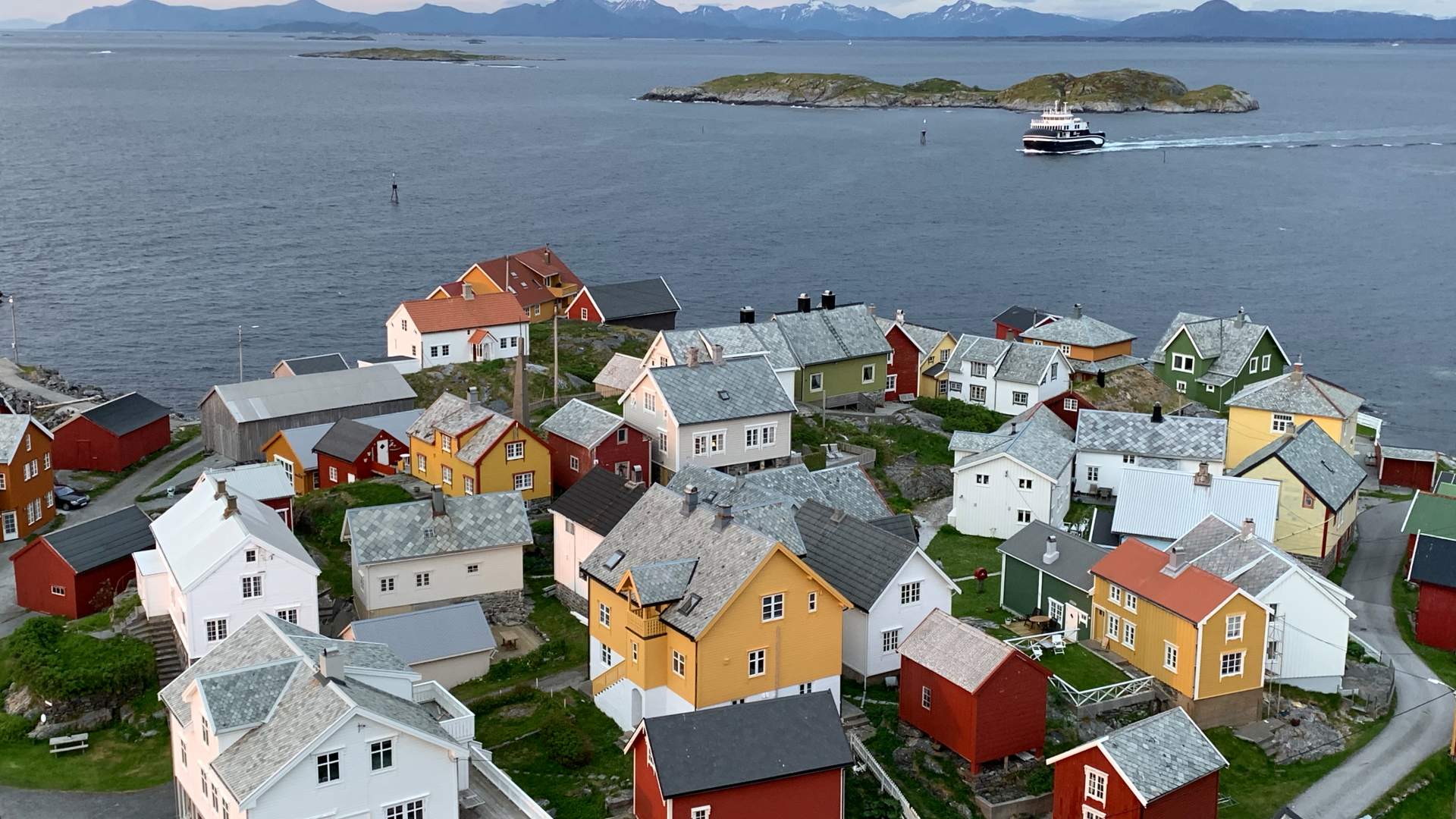
Understanding the intricate relationship between inhabitants density and social justice is essential for creating equitable and livable communities. Social justice entails addressing problems with inequality, equity, and human rights, whereas inhabitants density calculations can inform insurance policies and methods to mitigate the adverse impacts of overpopulation on weak teams.
The Connection Between Inhabitants Density and Social Justice
Inhabitants density calculations contemplate the connection between the variety of folks per unit space and their entry to sources, providers, and alternatives. Excessive inhabitants density can result in overcrowding, elevated competitors for sources, and exacerbate present social and financial inequalities. Conversely, low inhabitants density may end up in restricted entry to providers, transportation, and employment alternatives, additional widening the social justice hole. By understanding inhabitants density calculations, policymakers can determine areas the place social justice interventions are wanted most.
Informing Social Justice Insurance policies and Methods
Inhabitants density calculations can inform insurance policies and methods geared toward selling social justice in a number of methods:
Case Research: Utilizing Inhabitants Density Calculations to Handle Social Justice Points in Cities
One instance of profitable software of inhabitants density calculations to deal with social justice points is the town of Curitiba, Brazil. Within the Seventies, Curitiba carried out a complete city planning technique that prioritized inexpensive housing, public transportation, and group amenities. Through the use of inhabitants density calculations, policymakers had been capable of determine areas with excessive inhabitants progress charges and allocate sources to fulfill the wants of residents. Consequently, Curitiba turned a mannequin for sustainable and equitable city improvement, with a powerful deal with social justice.
As Curitiba’s mayor, Jaime Lerner, stated, “The town will not be an issue, it is a chance.” By prioritizing social justice and utilizing inhabitants density calculations, cities like Curitiba can create inclusive, resilient, and livable communities for all residents.
Closure
In conclusion, calculating inhabitants density is a fancy but essential side of city planning and improvement. By following the steps Artikeld on this information, we are able to guarantee correct and dependable inhabitants density calculations, which might inform city planning, policy-making, and environmental methods. By taking inhabitants density into consideration, we are able to create livable, sustainable, and economically affluent cities for future generations.
Q&A
What’s the excellent inhabitants density for a metropolis?
The perfect inhabitants density for a metropolis varies enormously relying on components reminiscent of local weather, geography, and infrastructure. As a normal guideline, a inhabitants density of round 10,000-20,000 folks per sq. kilometer is taken into account excellent, however this may vary from 5,000 to 50,000 folks per sq. kilometer.
How do I select the appropriate system for calculating inhabitants density?
The selection of system will depend on the obtainable information and the particular wants of the evaluation. The overall space technique and the grid technique are two frequent formulation used for calculating inhabitants density. The overall space technique is appropriate for small areas with dependable information, whereas the grid technique is extra appropriate for bigger areas with much less dependable information.
Can inhabitants density calculations be used for social justice?
Sure, inhabitants density calculations can inform social justice insurance policies and methods. By finding out the connection between inhabitants density and social justice, we are able to determine areas with excessive poverty charges, low entry to training and healthcare, and different social inequalities. This info can be utilized to develop focused insurance policies and packages to deal with these points.

